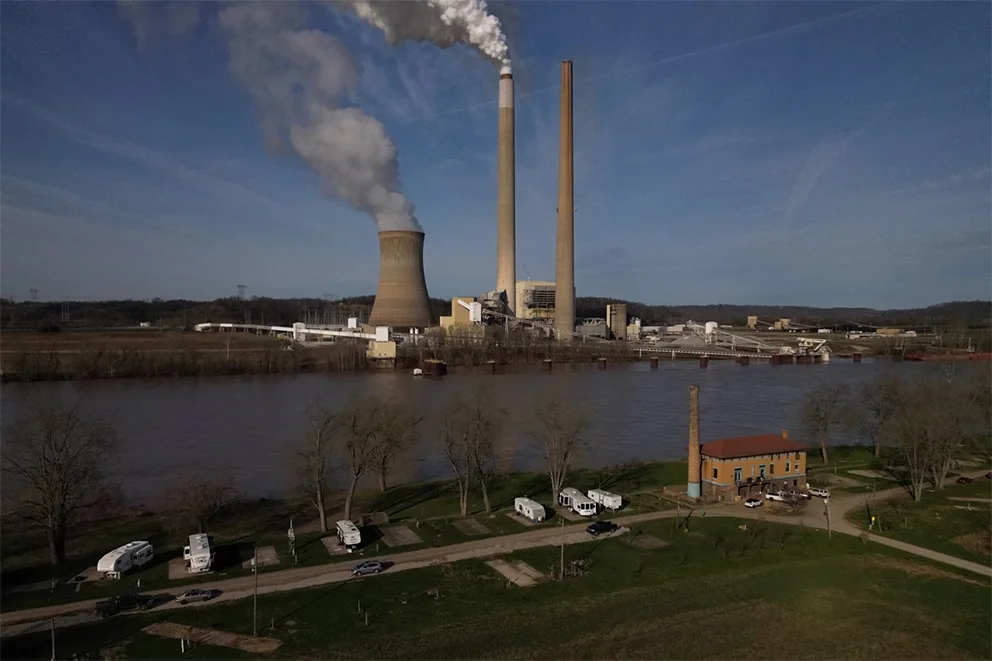
Released on the opening days of the COP31 climate summit hosted in Antalya, Turkey, the latest 2026 emissions assessment from the Global Carbon Project reveals that global carbon dioxide output from fossil fuel combustion is set to edge down by 0.4% this year, a modest decline that scientists warn is not a sign the world is on track to curb catastrophic climate change. The projected total fossil fuel emissions for 2026 stand at roughly 38.2 billion tonnes of CO₂, marking only the third global dip in fossil fuel emissions this century, following the 2009 global financial crisis and 2020 COVID-19 pandemic lockdowns, both of which were followed by sharp emissions rebounds once economic activity resumed. The limited drop is not primarily fueled by the global rollout of clean energy, researchers confirm. A large share of the reduction stems from geopolitical tensions surrounding Iran, which have disrupted oil supply flows through the strategic Strait of Hormuz, pushed global energy prices higher, and cut global oil consumption by nearly 2% alongside a 0.3% dip in natural gas use. In a countervailing trend, global coal consumption actually rose 0.6% year over year, partially offsetting the oil and gas emission reductions. Glen Peters, senior researcher at Norway’s CICERO Center for International Climate Research, emphasized that the oil-linked emissions downturn is a temporary market disruption, not a durable structural shift away from fossil fuel reliance. He noted that high energy prices could incentivize major oil-producing nations and energy corporations operating outside the conflict zone to ramp up new production investments, potentially driving emissions higher in subsequent years. While the headline fossil fuel emission figure shows a small reduction, scientists stress that total global CO₂ output across all human activities is not declining at all: when emissions from land use changes including deforestation and human-caused peat fires are factored in, total 2026 emissions are projected to rise by 1% to 43.3 billion tonnes, up from 42.8 billion tonnes in 2025, equal to more than 1,000 tonnes of CO₂ being pumped into the atmosphere every single second. Regional emissions trends show uneven progress: China, the United States, the European Union, and Japan all recorded roughly a 1% drop in fossil fuel emissions in 2026, while India’s emissions grew by 4.4% over the same period. Bright spots for long-term decarbonization remain, including explosive growth in solar and wind energy deployment and surging global electric vehicle adoption, with China leading much of that clean energy expansion. Mohamed Adow, director of African climate advocacy group Power Shift Africa, cautioned global policymakers not to misinterpret the minor fossil fuel emission dip as a meaningful climate win, noting that annual greenhouse gas volumes entering the atmosphere remain at dangerously high, record adjacent levels. The new data lands as COP31 negotiators gather to hammer out actionable implementation frameworks for existing global climate targets, with top agenda items including a managed, just phase-out of fossil fuels, scaled-up climate finance for vulnerable low-income nations, and targeted support for frontline communities disproportionately impacted by climate change despite contributing minimally to historical emissions. The Global Carbon Project’s findings lay bare the persistent gap between stated international climate ambitions and real-world emission trajectories, highlighting that temporary, crisis-driven emission cuts cannot replace intentional, durable policy and market shifts to lock in long-term decarbonization.