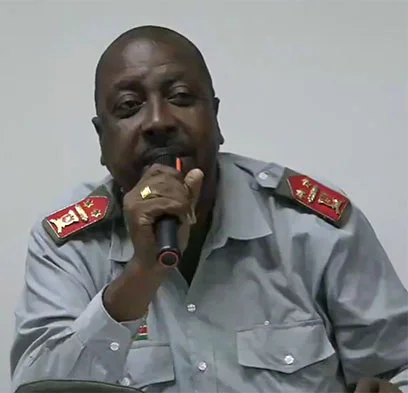
At a Monday afternoon press conference on November 10, Suriname Fire Corps Commandant Imriek Edam laid out a deeply concerning picture of the public safety agency’s current operational crisis, as a sharp uptick in grassland, forest, and persistent landfill fires pushes already stretched staff and limited hardware to breaking point. Six frontline fire trucks are currently fully decommissioned across the country, leaving multiple regional stations unable to deploy independently to emergency calls. The Onverwacht station, in particular, is operating under severe operational restrictions, as redirecting working vehicles from the capital Paramaribo to support outlying areas would leave urban communities dangerously underprotected in the event of a simultaneous blaze. The cascading impact of these shortages is already being felt by ordinary residents: in September, nine separate residential structure fires originated from uncontrolled grass fires, a figure that rose to 10 in October, marking an unprecedented spike in property damage linked to unregulated open burning. Edam noted that the persistent, acrid smoke emanating from the recurring fires at the Ornamibo and Charlesburg landfills poses not just a public nuisance, but a tangible public health hazard for nearby communities, with no consistent timeline for containing these long-burning waste sites. Even basic operational resources are strained: over a single recent weekend, the service consumed 1,283 liters of fuel, and ongoing fuel supply volatility adds another layer of logistical pressure for crews responding to scattered emergency calls. When multiple fire alerts come in at the same time, command staff are now forced to triage responses, as they no longer have the capacity to reach every incident in a timely manner. A recent announcement from President Jennifer Simons pledged to deliver five additional fire trucks and fund repairs for eight existing in-service vehicles, but Edam emphasized that the five incoming units are pre-owned, not new, and will only offer temporary, marginal relief. He described the promised donation as “a drop on a hot plate”, noting that the average lead time for a brand new, custom-built fire truck is approximately 18 months, and the secondhand units are not expected to arrive until the first half of 2027. To bring the national fire service up to a fully operational standard capable of covering all populated regions, the corps needs a minimum of 17 additional functional vehicles, far more than the 13 units the government has committed to supply or repair. To mitigate the growing risk of grass fires spreading to homes, the fire service is rolling out a multi-pronged prevention strategy: it plans to expand public education campaigns, deploy patrol officers on motorcycles and bicycles to conduct targeted preventive checks in high-risk grassland zones, and is advancing a dedicated new penalty regulation for individuals who intentionally start unauthorised grass or waste burns. The draft fine framework has already been submitted to the Public Prosecutor’s Office and the Court of Justice for review, with final adoption expected after feedback revisions are incorporated. The agency is also exploring expanded use of its two existing drones to detect small fire hotspots earlier, though additional funding is required to operate the drone program at full effectiveness. Edam closed his remarks with an urgent public appeal, stressing that the fire service cannot resolve the crisis in isolation. He called on all Suriname residents to refrain from open burning of grass and waste, and to alert emergency services immediately at the first sign of an unattended fire, warning that without public cooperation and sustained investment in new equipment, small, preventable grass fires will continue to escalate into destructive blazes that destroy family homes.
Brandweer in problemen: zes voertuigen uitgevallen, grasbranden slaan over naar woningen