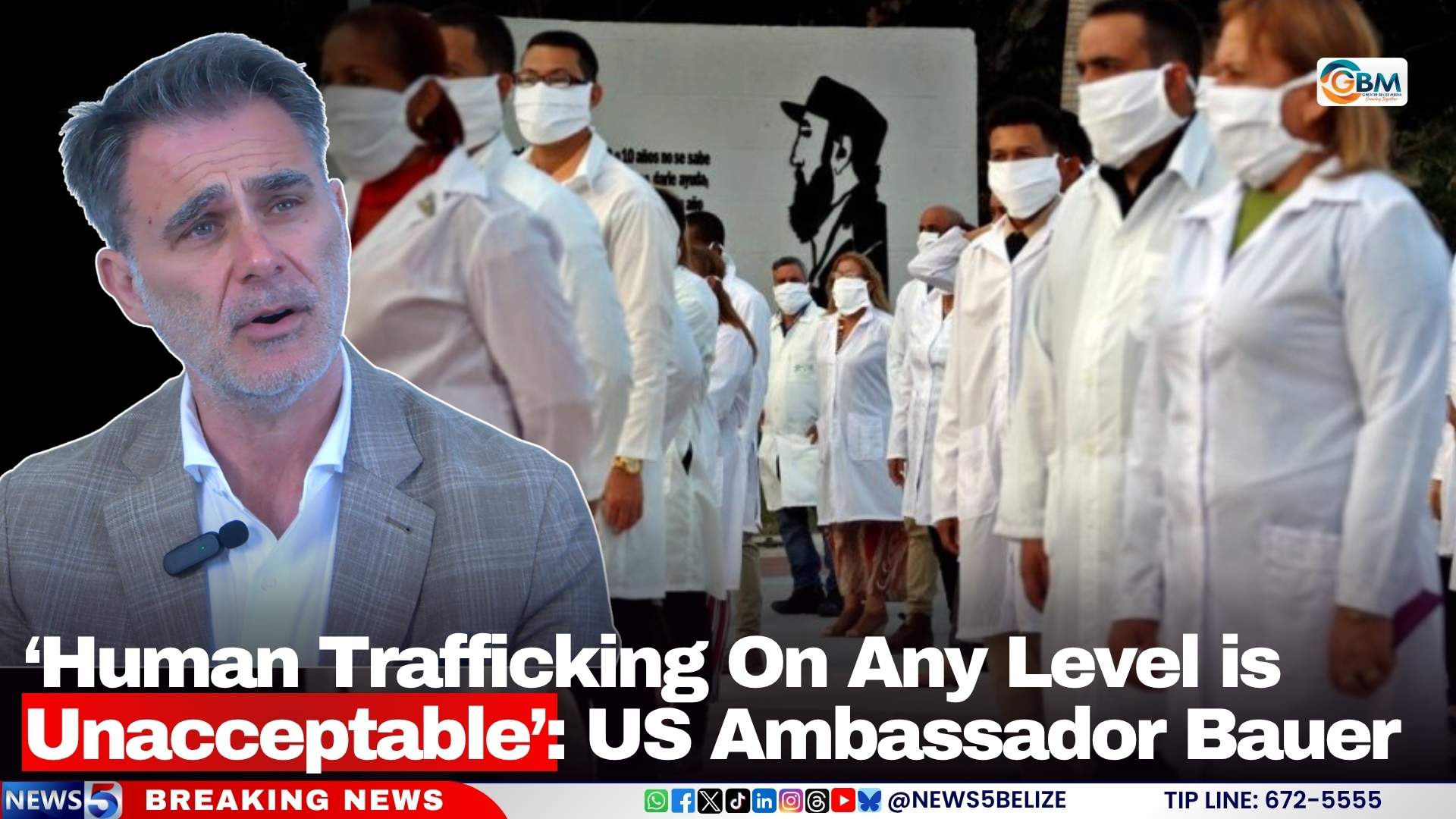
On November 9, 2026, U.S. Ambassador to Belize André Bauer laid out Washington’s core stance on the recent termination of Belize’s decades-long medical cooperation deal with Cuba, framing human rights protections for migrant medical staff as the central driving force behind U.S. engagement on the policy. In a sit-down interview with local Belizean outlet News 5, Ambassador Bauer clarified that U.S. objections to the longstanding Cuban Medical Brigade arrangement stemmed from structural flaws that placed the livelihoods and personal autonomy of participating health workers at severe risk. He emphasized that U.S. policy prioritizes ensuring all working professionals hold full control over their personal identity documents, earn direct, fair compensation for their labor, and are not subject to external control by foreign government entities over their earnings or personal movement. The comments come on the heels of the U.S. State Department’s 2026 Trafficking in Persons Report, which documented 105 Cuban regime-affiliated medical personnel deployed in Belize under the old bilateral program who showed indicators of potential forced labor. The report further flagged that the original 36-year intergovernmental agreement left these health workers exposed to systemic risks including arbitrary wage confiscation, unregulated disciplinary action without due process, and restricted freedom of movement. When pressed by News 5 journalists to explicitly label the prior Cuban medical arrangement as a formal human trafficking scheme, Bauer stopped short of a definitive legal classification, instead reaffirming the Biden administration’s top-line position that any practice that enables exploitative labor at any scale is categorically unacceptable. He went on to praise the Government of Belize for its recent decision to not renew the decades-old bilateral pact, noting that the new framework of individual direct employment contracts for Cuban doctors and allied health professionals remaining in the country would grant these critical care providers far greater personal autonomy and fairer pay, while preserving access to the health services Belize’s communities rely on. Looking ahead, Bauer also floated a collaborative policy path between the two nations to expand cross-border telehealth infrastructure, an initiative that would reduce systemic healthcare costs across Belize’s rural and underserved regions while expanding access to specialized medical services for populations that currently face long wait times for care.