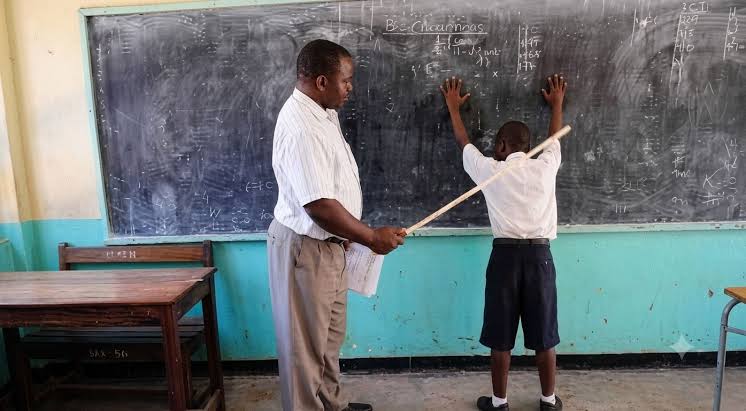
As Antigua and Barbuda took the floor for its fourth Universal Periodic Review (UPR) before the United Nations Human Rights Council, two European nations have tabled targeted recommendations to strengthen the small Caribbean nation’s child protection legal frameworks. During the formal review proceedings, Finland formally called on the Antigua and Barbuda government to implement a full, legally binding ban on corporal punishment of minors across every possible setting, with explicit inclusion of educational institutions, while also rolling out nationwide public awareness campaigns to promote evidence-based, non-violent disciplinary practices for caregivers and educators. Shortly after Finland’s submission, Cyprus put forward a parallel recommendation, pushing for targeted regulatory updates that would explicitly outlaw physical punitive measures in all school environments to close existing gaps in child safety safeguards. In its official response to the council, the Antigua and Barbuda delegation clarified that current national rules under the Education Act restrict corporal punishment in schools to be deployed only as an absolute last-resort measure, with formal standard operating procedures deeming the practice non-routine and discouraged. Foreign Affairs Minister E.P. Chet Greene emphasized that the 2015 Children (Care and Adoption) Act already lays out a comprehensive legal foundation shielding children from all forms of abuse and neglect, and that the national Family and Social Services Division runs ongoing free parenting workshops and one-on-one counselling programs to guide guardians toward positive, non-harmful disciplinary alternatives. Even with these existing measures, the delegation acknowledged that no overarching legal ban on corporal punishment across all settings, including homes and informal childcare spaces, has been codified to date. The Antigua and Barbuda government has announced it will not issue an immediate formal verdict on the child protection recommendations, noting that it will conduct cross-sector public consultations with educators, child welfare advocates, community leaders and families, alongside a full policy review, before releasing its official stance on all proposals submitted during the UPR process.
Finland Urges Antigua and Barbuda to Ban Corporal Punishment in All Settings