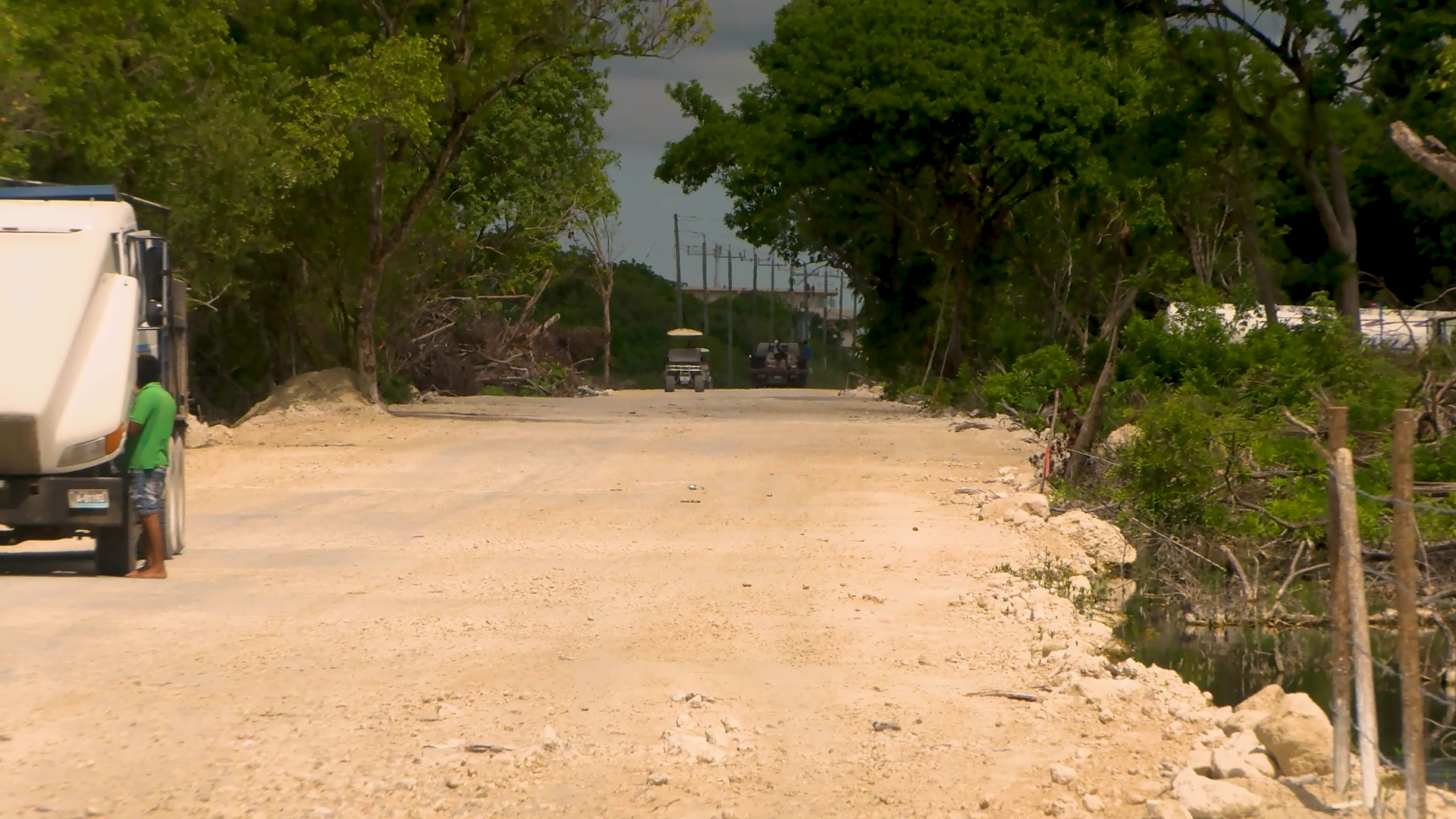
San Pedro Town, Belize – November 5, 2026: A newly constructed paved roadway spanning the remote northern stretch of Ambergris Caye has officially opened for public use, but the landmark infrastructure project is facing mounting public scrutiny over unclear funding partnerships, material sourcing, and unconfirmed long-term stakeholder benefits. Prior to the road’s completion, residents, landowners, and local visitors were forced to traverse soft, uneven beach terrain to access properties located in the island’s far northern zones, a route that had long drawn complaints from environmental conservation groups for disrupting critical endangered sea turtle nesting habitats. San Pedro Town Mayor Wally Nunez explained during a recent live televised newscast that the project was jointly developed by the central Belize government and the San Pedro Town Council, with the stated dual goals of delivering formal, official access to parcels of land that successive administrations had allocated to local San Pedro residents over prior years, and eliminating the need for off-road beach travel that disturbs sensitive coastal ecosystems. However, during the on-air interview with journalist Paul Lopez, gaps in project transparency quickly emerged. When pressed to confirm whether the new roadway was a preliminary step to establish a cross-border land connection between Mexico and Ambergris Caye, Mayor Nunez stated his personal opposition to any such link that would cut through protected ecological reserves, noting that existing maritime access routes already provide sufficient cross-border connectivity. Further questioning about the source of construction aggregate used to build the road revealed that while the government oversaw material sourcing, a private quarry supplied a portion of the required raw materials. When Lopez requested the specific identity of the private quarry’s owners, Mayor Nunez committed to sharing the information with the news outlet at a later date. As of the November 5 newscast, the news team has not received the requested ownership details, and reporters confirm they will continue follow-up inquiries to resolve remaining public questions about the project’s partners, cost allocations, and intended long-term beneficiaries. The broadcast notes that the transcript has been carefully adapted from local Kriol dialect to standardized English for clarity for all audiences.