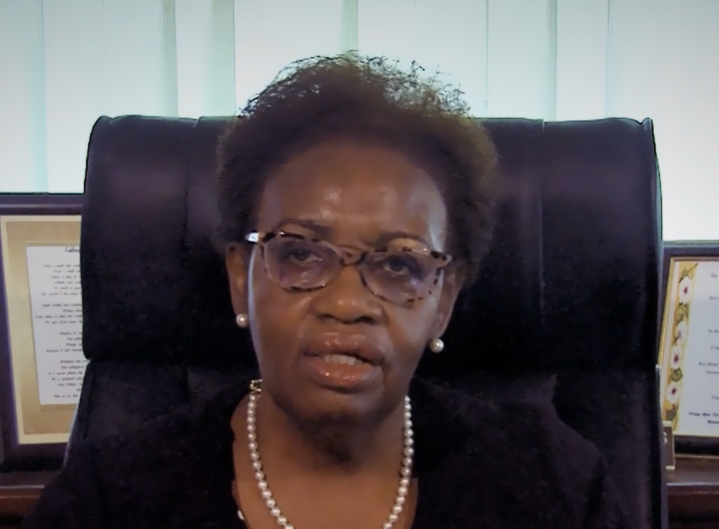
A leading United Nations child rights specialist is sounding a critical alarm for Barbadian families grappling with rising incidents of school bullying and student-on-student violence, urging frustrated parents to abandon any plans to take disciplinary matters into their own hands amid widespread dissatisfaction with perceived gaps in institutional responses. Faith Marshall-Harris, a longstanding child protection advocate who oversees a dedicated charitable trust focused on youth welfare, shared that her organization’s 24/7 support helpline has recorded a sharp uptick in distress calls over recent months, with hundreds of concerned caregivers reaching out to report escalating physical confrontations, targeted harassment, and extortion targeting vulnerable new students. The majority of verified complaints center on first-form secondary school pupils, who are being systematically targeted by older, more senior peers who coerce them into surrendering packed lunches, pocket money, and personal belongings as part of a growing pattern of predatory intimidation. Marshall-Harris explained that many parents have grown disillusioned after reporting repeated bullying incidents to school administrations, only to receive what they view as lukewarm, under-resourced responses that fail to curb the harassment. This frustration has pushed a significant number of caregivers to consider unregulated, direct interventions of their own to resolve the conflicts, a trend the child rights leader is actively working to discourage. “I am imploring every parent who feels pushed to their limit by their child’s ongoing mistreatment to step back from any impulse to handle this outside of official, established channels,” Marshall-Harris emphasized. “Stick to the formal anti-bullying protocols your school has in place, and work collaboratively with staff to find a safe, sustainable resolution that does not involve you resorting to verbal abuse or physical retaliation that will only make the problem worse.” For families who exhaust school-level processes without seeing meaningful improvement, the advocate laid out a clear next step: escalate formal complaints directly to the Barbados Ministry of Education, which has dedicated teams trained to mediate persistent school safety disputes. Marshall-Harris also highlighted a critical, often overlooked ripple effect of adult aggression in front of young people: children learn social behavior overwhelmingly by mimicking the conduct and language of the grown-ups around them. When caregivers respond to school conflict with anger, hostility, or rule-breaking action, they inadvertently normalize the exact patterns of violence and disrespect that anti-bullying policies are designed to eliminate, perpetuating a cycle of harm that will harm generations of students. While acknowledging that low-level bullying has been a persistent, longstanding challenge in Caribbean school systems for decades, Marshall-Harris stressed that the current spike in reported violent incidents demands coordinated, urgent action across families, school administrations, and government agencies to de-escalate tensions and rebuild safe learning environments. “Two wrongs never make a right,” she noted. “If adults choose to inflame already volatile situations with impulsive, unregulated action, we will only push this crisis to a far more dangerous place that puts every child at greater risk.” Marshall-Harris also confirmed that her charitable trust’s free support helpline is staffed full-time by licensed social workers who offer confidential guidance, mediation support, and targeted resources for both bullied students and overwhelmed parents. Families in need of assistance can reach the service at 266-3644 or 832-3644 at any time during operating hours.