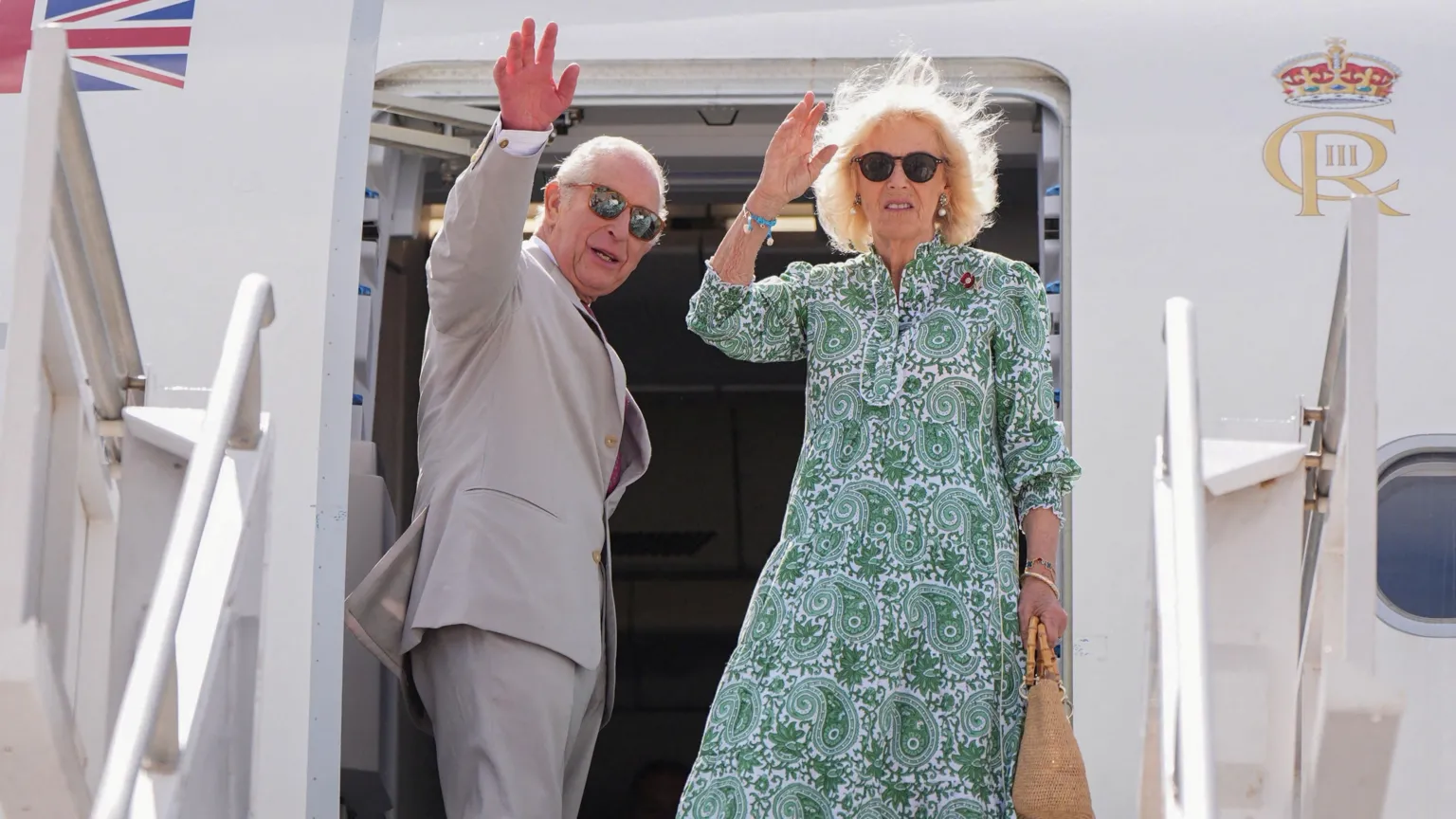
Shortly after the conclusion of King Charles’s nine-day official tour across the Bahamas, Guyana, and Antigua and Barbuda, a long-serving senior Buckingham Palace aide with decades of direct experience working alongside the monarch offered rare, unvarnished insights into the core of the king’s public role. Far from limiting his duties to ceremonial, low-stakes public appearances, the aide confirmed King Charles actively prioritizes the most politically fraught, challenging assignments that elected UK officials often struggle to navigate, describing him as the nation’s underrecognized “great secret weapon” for delicate cross-border engagements. The recently completed Caribbean tour unfolded against a charged backdrop of widespread, unified demands for reparatory justice from all three host nations, each of which has repeatedly called for the UK to formally apologize and provide financial redress for the British state and monarchy’s central, documented role in the transatlantic slave trade that enslaved millions of African people across Caribbean and American plantations over centuries. Midway through the official trip, UK Prime Minister Andy Burnham publicly announced his openness to a formal UK apology for historical slavery, a policy shift the palace confirmed it was notified of in a timely fashion, rejecting all claims that the development caught royal staff off guard. The aide clarified that under the UK’s constitutional monarchy framework, the king acts exclusively on the guidance of his elected government, so no unilateral royal apology for historical slavery could move forward until elected officials formally advance the corresponding policy. This Caribbean tour is far from an isolated example of the king deploying his unique diplomatic dexterity for government priorities. Since ascending the throne in 2022, King Charles has repeatedly stepped into politically sensitive scenarios that advance UK national interests: he delivered a landmark address to the U.S. Congress to underscore the enduring value of the UK-US alliance during tensions with then-President Donald Trump, offered steadfast public support to then-new Prime Minister Mark Carney amid a wave of hostile threats and personal insults from the Trump administration, and led high-profile state visits to Germany and France to rebuild and reinvigorate bilateral partnerships in the post-Brexit era. The aide noted that the king explicitly prioritizes these complex, high-stakes assignments over low-effort ceremonial duties, noting the monarch “lives and breathes” for work ranging from global environmental leadership to mending frayed diplomatic ties with nations navigating complicated historical disputes. Even amid a period of unusually rapid prime ministerial turnover that has seen the king work with four different UK heads of government since his accession, the aide confirmed he has built strong, mutually respectful working relationships with every sitting and former prime minister, supported by their regular weekly private audiences. The physically grueling recent Caribbean tour, which included 40 separate public engagements in sweltering 35-degree Celsius heat and stifling humidity, underscored the royal couple’s unwavering commitment to their duties: the 77-year-old king, who is still undergoing active cancer treatment, is set to turn 78 imminently, while Queen Camilla will mark her 80th birthday next July, yet both continue to complete demanding cross-national travel even as most of their peers have entered full retirement. The aide added that the couple’s 20 years of steady, collaborative marriage has been an invaluable source of support to navigate the occasional unscripted, awkward “wonky” moments that are inevitable on royal tours, citing a recent incident in Antigua and Barbuda where a sudden torrential downpour left the king completely soaked without an umbrella during an Independence Day rally, leaving him briefly visibly frustrated. Despite the many hurdles, political tensions, and physical exhaustion of the nine-day Caribbean trip, the aide emphasized the tour was a clear demonstration of the king’s refined statecraft, delivered through both intentional rhetoric and quiet, thoughtful action.
King relishes ‘politically charged’ deployments, Palace aide says