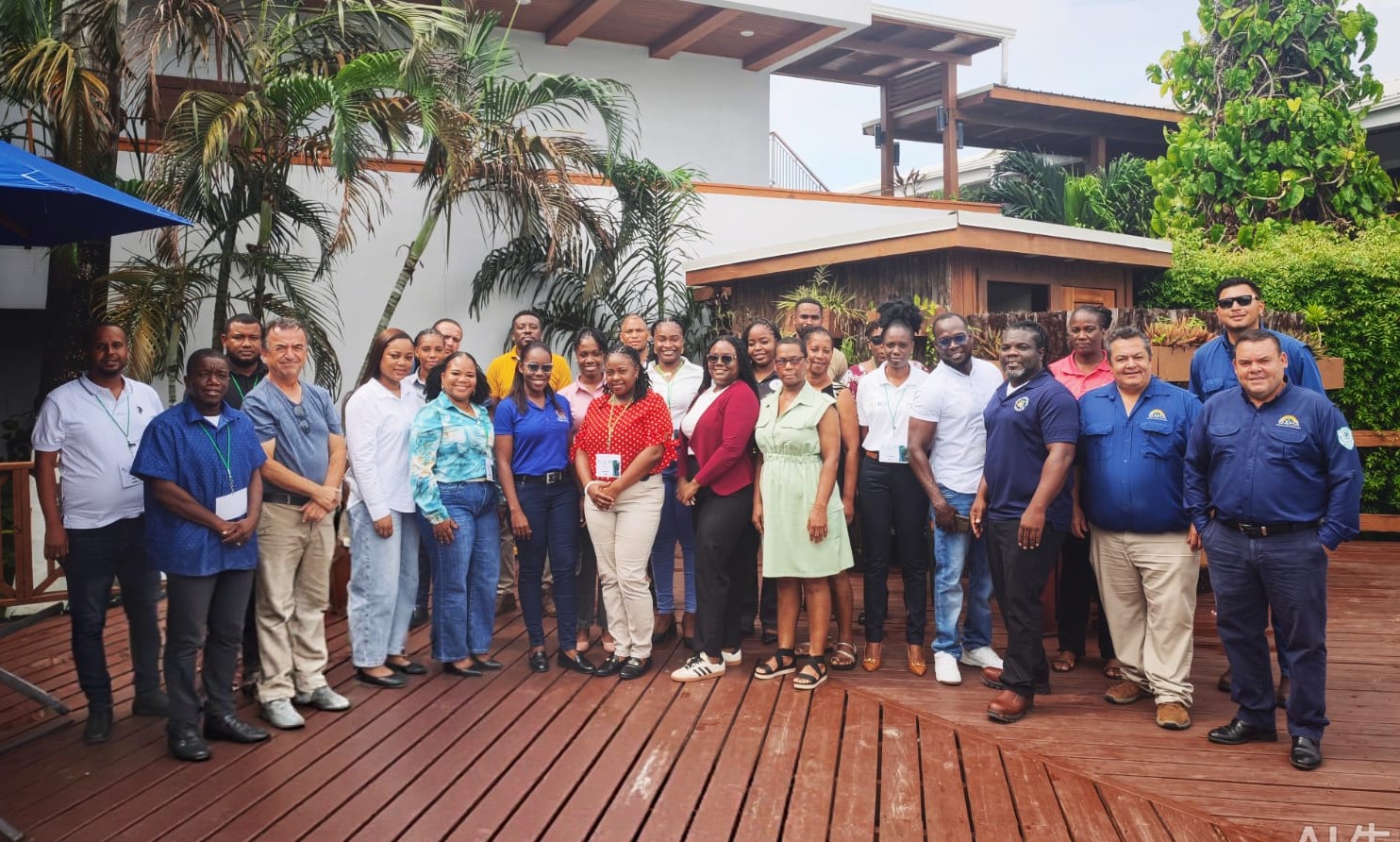
Three specialized staff members from Dominica’s Ministry of Agriculture, Fisheries, Blue and Green Economy recently completed a five-day intensive regional technical training hosted in Belize, focused on fortifying cross-border defenses against destructive invasive fruit fly species. Held between October 12 and 16, 2026, the targeted Basic Training Course on Fruit Fly Early Detection and Rapid Response assembled agricultural biosecurity practitioners from across the Caribbean to upskill on evidence-based pest management protocols. The Dominica delegation comprised Nelissa Coipel from the Plant Protection and Quarantine Unit, frontline Quarantine Officer Shanelle George, and Davis Carbon, Extension Officer for the West Agricultural Region. Jointly organized by the International Atomic Energy Agency and the Belize Agricultural Health Authority, the curriculum combined hands-on field practice and peer-to-peer technical knowledge sharing, covering core modules including precise fruit fly species identification, systematic surveillance network design, real-time population monitoring, and coordinated early intervention frameworks. These tailored strategies are explicitly engineered to stop high-risk invasive fruit flies from establishing permanent breeding colonies and spreading across agricultural landscapes, a critical safeguard for regional food security, staple crop yields, and unobstructed access to international export markets for local produce. Dominica’s agriculture ministry confirmed that the new technical competencies mastered by the three participating officers will directly elevate the island nation’s national plant health and biosecurity systems, driving measurable improvements to border quarantine screening protocols, on-the-ground field surveillance operations, and targeted outreach partnerships with smallholder farming communities. Invasive fruit flies pose a pervasive threat to Dominica’s high-value tropical fruit crops including mangoes, guavas, carambolas, and multiple commercial citrus varieties, with potential to trigger devastating yield losses and costly trade restrictions if left unmanaged. Ministry officials emphasized that sustained investment in targeted professional development for frontline agricultural staff and deepened cross-border regional collaboration remain foundational priorities to protect Dominica’s valuable agricultural genetic resources, secure the livelihoods of thousands of farming households, and build long-term adaptive resilience across the entire local agricultural sector.
Dominica strengthens fruit fly preparedness through regional training in Belize