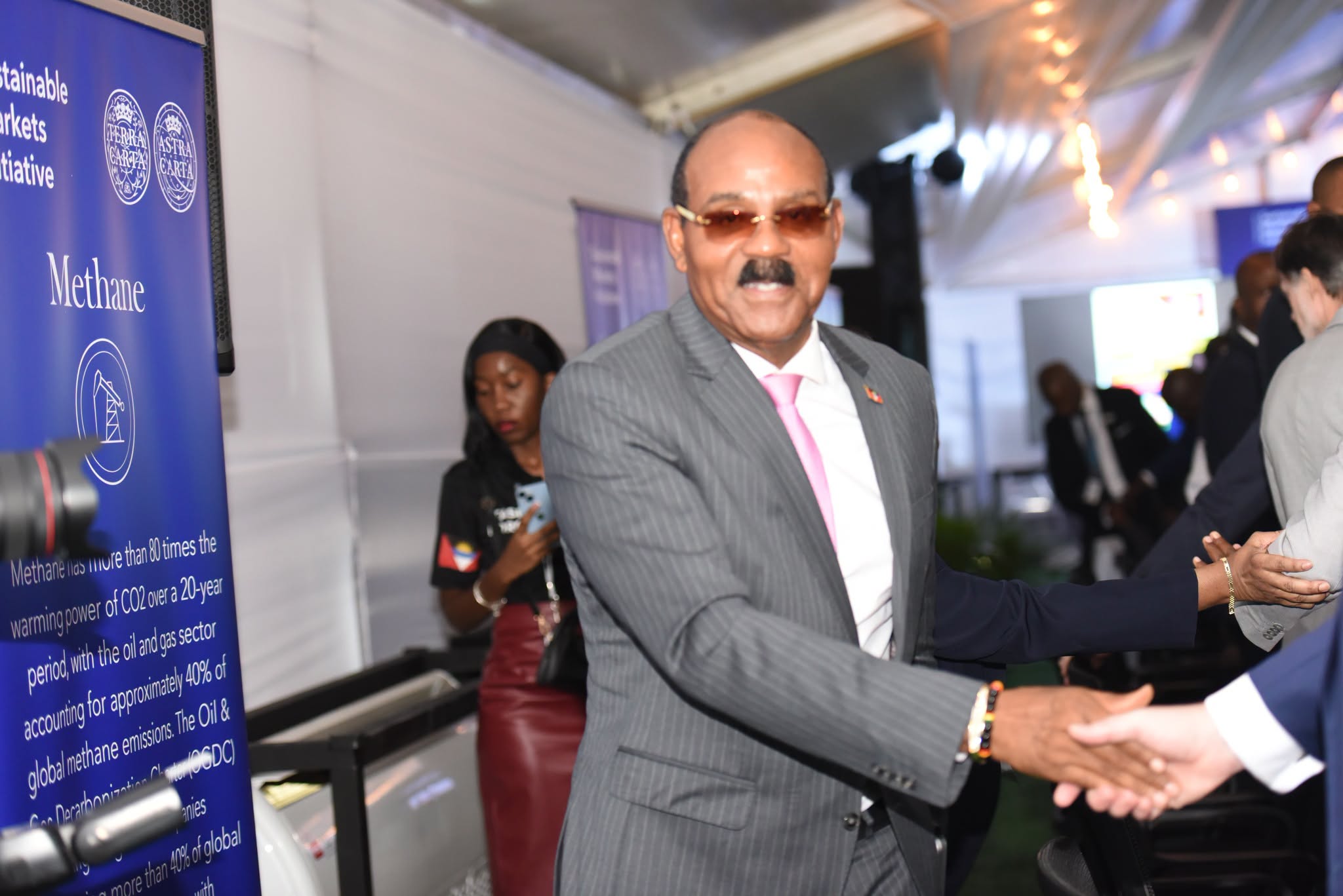
At the conclusion of the 2024 Commonwealth Heads of Government Meeting hosted in Antigua and Barbuda, Prime Minister Gaston Browne formally announced that long-awaited structured negotiations between the United Kingdom and impacted Commonwealth member states over transatlantic slavery reparations are scheduled to launch within the coming 12 months, with a formal governing framework for the full dialogue process set to be finalized by late 2026 or the opening weeks of 2027.
During the summit’s closing press briefing, Browne confirmed that all assembled Commonwealth heads of government had formally endorsed a recent proposal tabled by UK Prime Minister Andy Burnham to launch a collaborative, multi-stakeholder conversation on the enduring harms of the transatlantic trafficking of enslaved African people. “This structured dialogue that Prime Minister Burnham has put forward, we are targeting to kick it off at some point over the next 12 months,” Browne told assembled global reporters, adding that leaders had already reached a preliminary in-principle agreement to lock in core procedural ground rules for the full series of talks by the end of 2025 or early 2026.
Commonwealth Secretary-General Shirley Botchwey reinforced the cross-bloc consensus in her own post-summit remarks, noting that the official final summit communiqué explicitly enshrines collective backing for a time-bound, transparent process with clear milestones. She emphasized that leaders across the 56-nation bloc had unanimously welcomed the UK’s formal commitment to participate in “a structured, time-bound, inclusive, and good faith dialogue with all affected parties” to confront the intergenerational harms of chattel slavery that continue to shape economic, social and cultural inequities across large swathes of the global Commonwealth.
While the newly announced timeline delivers unprecedented clarity on next steps for a debate that has dragged on for decades across the Commonwealth, neither Browne nor Botchwey released a precise formal launch date for the talks, nor a binding final deadline for reaching a full negotiated resolution. Browne offered measured praise for UK Prime Minister Burnham’s willingness to engage directly with the contentious historical issue, noting that the UK’s shift toward formal dialogue had already fostered significant goodwill across Caribbean member states that have led the global reparatory justice movement for decades.
Even as he struck a conciliatory tone, Browne emphasized that explicit financial and structural reparations must remain a non-negotiable core agenda item for all upcoming discussions, pushing back against prior public statements from UK officials that had suggested compensation would not be on the table. When pressed by reporters on whether Caribbean delegations would compromise on that demand, Browne stated that regional governments remained fully aligned on their core priorities. “Reparations are of paramount importance to the communities that endured centuries of enslavement and their descendants, and reparations must be an integral, non-sidelined component of this entire structured dialogue process,” he affirmed.
Browne added that he remained cautiously optimistic that all parties could reach a mutually acceptable consensus, and that Caribbean delegations would enter the negotiations in a spirit of reasonableness and collaborative problem-solving. He stressed that the reparations debate had not created rifts among Commonwealth leaders during the Antigua summit, arguing that the bloc’s shared foundational values of equity and historical accountability obligated all members to work through even the most politically fraught historical questions together. Botchwey separately confirmed that Commonwealth leaders had formally recognized and endorsed parallel ongoing initiatives from the Caribbean Community, the African Union and other global partner bodies to advance reparatory justice and secure the full restitution of looted cultural heritage taken during the colonial era.