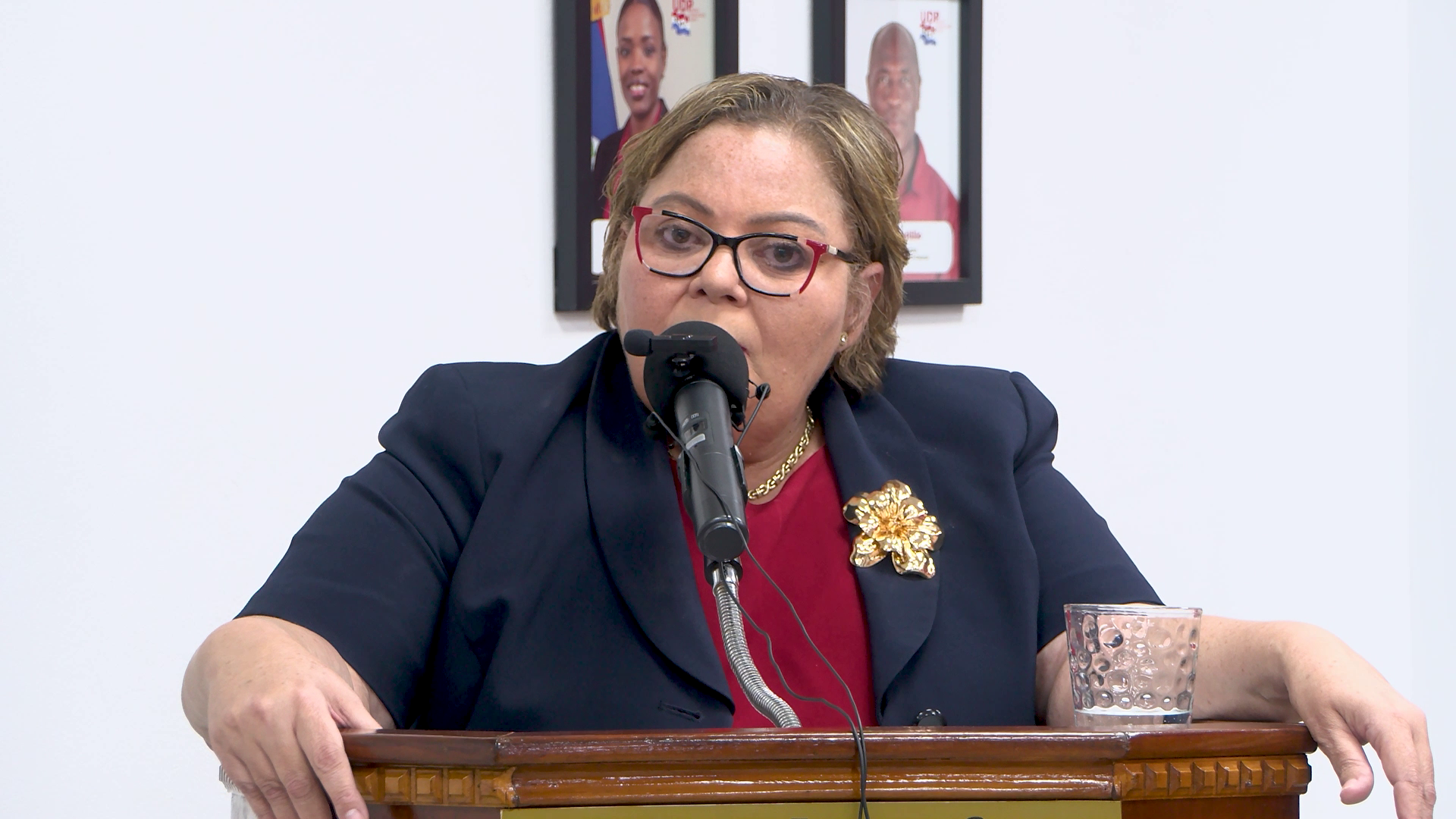
On November 3, 2026, a public dispute has emerged within Belize’s main opposition United Democratic Party (UDP) over the party’s electoral prospects ahead of upcoming national polls, as former long-serving Prime Minister Dean Barrow publicly warned that deep internal divisions within the UDP make a general election loss all but inevitable. Barrow, who led the party to multiple electoral victories during his tenure at its helm, has raised fresh concerns that unresolved factional rifts have eroded the party’s ability to galvanize enough public support to unseat the current ruling administration. But current UDP leader Tracy Panton has forcefully rejected her predecessor’s bleak assessment, framing the party as on a steady trajectory toward a political comeback rooted in widespread grassroots frustration with the sitting government’s performance. Speaking to reporters during a recent on-the-ground campaign tour, Panton pushed back firmly against the core of Barrow’s argument, noting that her cross-country travels have revealed overwhelming bipartisan, cross-class public sentiment demanding a change in national leadership. “I absolutely do not agree with that premise,” Panton emphasized, flanked by senior UDP parliamentary colleagues. “Every community I visit, from working-class neighborhoods to rural farming districts to professional urban circles, voters across every demographic and social strata are repeating the same message: enough is enough, and it is time for the United Democratic Party to return to governing this country. If I was placing a wager, I would bet squarely on the will of the Belizean people.” The public clash between two of the UDP’s most high-profile figures has sparked widespread political debate across the country, as voters and party members weigh competing narratives over whether the opposition is positioned to win power, or remains hamstrung by internal disunity that will keep it out of office for another term.