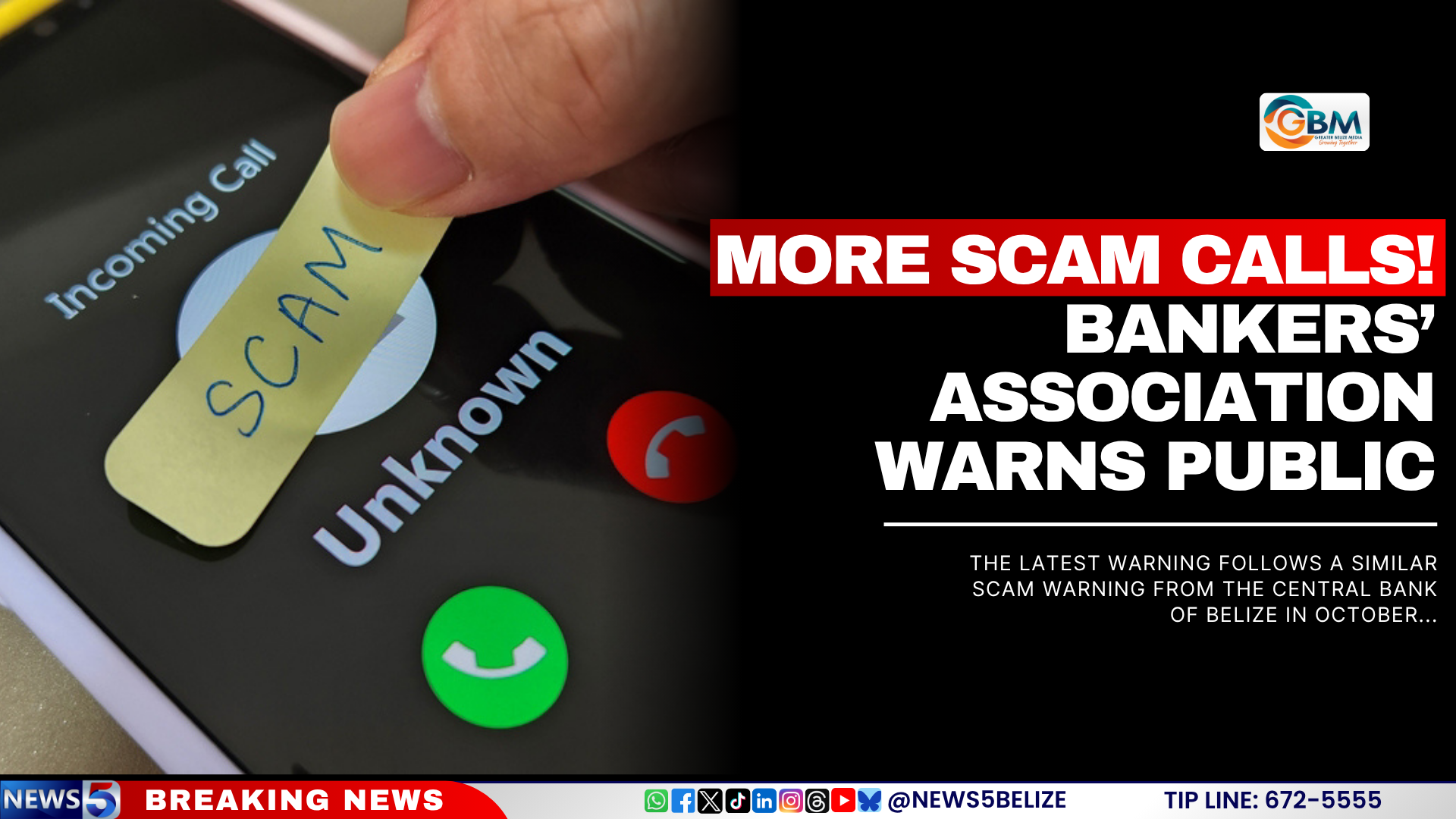
On November 3, 2026, the Bankers’ Association of Belize rolled out a critical public service alert amid a sharp uptick in sophisticated telephonic and digital messaging fraud schemes that specifically target local bank account holders. These coordinated scam operations see bad actors masquerading as authorized banking personnel, deploying a full suite of deceptive tactics to trick victims into handing over highly sensitive financial data. This latest advisory comes on the heels of a similar public notice issued by the Central Bank of Belize in October 2026, after the national regulatory body fielded a wave of citizen reports detailing scammers posing as central bank officials to conduct fraudulent video calls via Google Meet. Per the Association’s detailed brief, modern fraudsters have refined their impersonation playbook to exploit public trust in established financial brands: they frequently spoof official bank phone numbers, create near-identical counterfeit email addresses, and hijack verified corporate logos across popular messaging platforms to craft a false veneer of legitimacy during unsolicited outreach. Once the deceptive interaction begins, scammers use high-pressure, urgent framing to coerce account holders into disclosing non-public information ranging from account login credentials and personal passwords to one-time password reset codes that grant full unauthorized access to victim funds. To help the public defend against these evolving threats, the Association has laid out a clear, actionable set of security guidelines. First, all bank customers are explicitly reminded that no legitimate, regulated financial institution in Belize will ever reach out unprompted to solicit confidential access information from account holders. Residents are strongly advised to avoid clicking any embedded links in unsolicited text messages or emails purporting to be from their bank, and to never share sensitive banking details with any unknown caller or correspondent claiming to represent a financial services provider. The industry group also urges all customers to activate multi-factor authentication tools, including soft tokens and dedicated authenticator mobile applications, for their banking accounts wherever their respective financial institution supports the feature, as this adds a critical secondary layer of protection even if basic login details are accidentally exposed. For any resident who receives an unexpected communication demanding immediate action related to their bank account, the Association instructs them to end the interaction immediately, and independently reach out to their bank using verified contact information sourced directly from the institution’s official public website, rather than using phone numbers or links embedded in the suspicious message. Any individual who believes they have engaged with a fraudulent communication, or suspects their banking credentials may have been compromised, is directed to alert their financial service provider right away and file an official report of the incident to prevent potential financial loss.