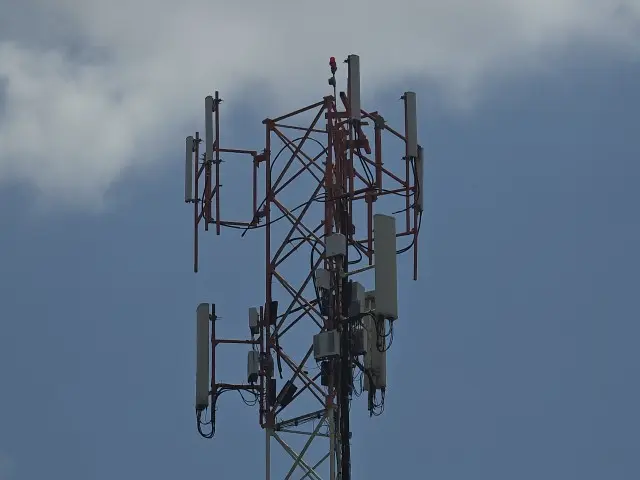
On October 31, 2026, Guyanese telecom provider One Communications formally wrapped up a phased nationwide decommissioning of its legacy 2G mobile network, a landmark achievement that caps six months of structured transition work and paves the way for expanded high-speed connectivity across the South American nation. The multi-stage rollout launched on May 14, 2026, spanning five carefully planned implementation phases that covered every major populated region: the capital Georgetown, East and West Demerara, East and West Coast Berbice, the entire Essequibo region, and a selection of remote hinterland communities that historically relied on 2G for basic mobile access. In an official public statement, One Communications Guyana Chief Executive Officer Abraham Smith framed the milestone as a tangible demonstration of the firm’s long-running commitment to building a robust, future-ready national mobile ecosystem. “This transition is a core component of our broader network modernization roadmap, designed to boost overall network performance, unlock unused spectrum capacity, and keep pace with skyrocketing public demand for dependable mobile voice and high-speed data services,” Smith explained. By retiring the decades-old 2G infrastructure, the company can redirect technical, financial and operational resources to scale up its LTE 4G network, which delivers exponentially faster data transfer speeds, supports far more concurrent users, and reduces network lag for both residential consumers and commercial clients. The decommissioning push arrives at a moment of unprecedented growth in Guyana’s mobile digital usage: One Communications internal metrics recently recorded a 28% year-over-year surge in total mobile data traffic, paired with a 23% rise in average per-user monthly data consumption, underscoring the urgent need to reallocate spectrum previously reserved for 2G to higher-performance services. As a complementary initiative to the 2G shutdown, the firm has already rolled out targeted capacity upgrades at 35 mobile tower sites across the country to reduce congestion and improve service reliability in high-demand zones. For existing customers, the transition will have no disruptive impact for those already using 3G or 4G LTE-compatible devices and active modern SIM cards, with no additional action required on their part. However, a small subset of subscribers still using 2G-only handsets or outdated 2G-exclusive SIM cards will need to upgrade their hardware to retain access to One Communications mobile services. To minimize disruption for affected users, the company launched a comprehensive customer migration outreach campaign more than 12 months in advance of the final shutdown, leveraging direct phone calls, targeted SMS alerts, public media announcements and community-level on-the-ground outreach to notify at-risk subscribers. Eligible customers can still claim free SIM card upgrades and complimentary replacement 4G-compatible handsets through December 31, 2026, with all users retaining their original existing mobile phone numbers after the upgrade. Subscribers uncertain about the compatibility of their current device or SIM are invited to visit their nearest One Communications physical retail location, call the 24/7 customer support hotline at 0663, or access the dedicated eligibility checker tool hosted at https://onecommgroup.com/gy/2g-decommissioning/ to verify their status and claim benefits. The company has urged any remaining non-upgraded 2G users to complete the transition as soon as possible to avoid an unexpected interruption to their mobile service. Beyond immediate service improvements, the full 2G shutdown marks a critical milestone in One Communications multi-year strategic agenda to fortify Guyana’s national digital infrastructure, laying a foundational backbone to support the country’s fast-expanding digital economy. Moving forward, the telecom provider has pledged to continue sustained investment in network expansions, capacity enhancements and connectivity upgrades to meet the evolving digital needs of households, small businesses, industrial operators and remote communities across every region of Guyana.
One Communications completes nationwide 2G shutdown, advances network modernisation in Guyana