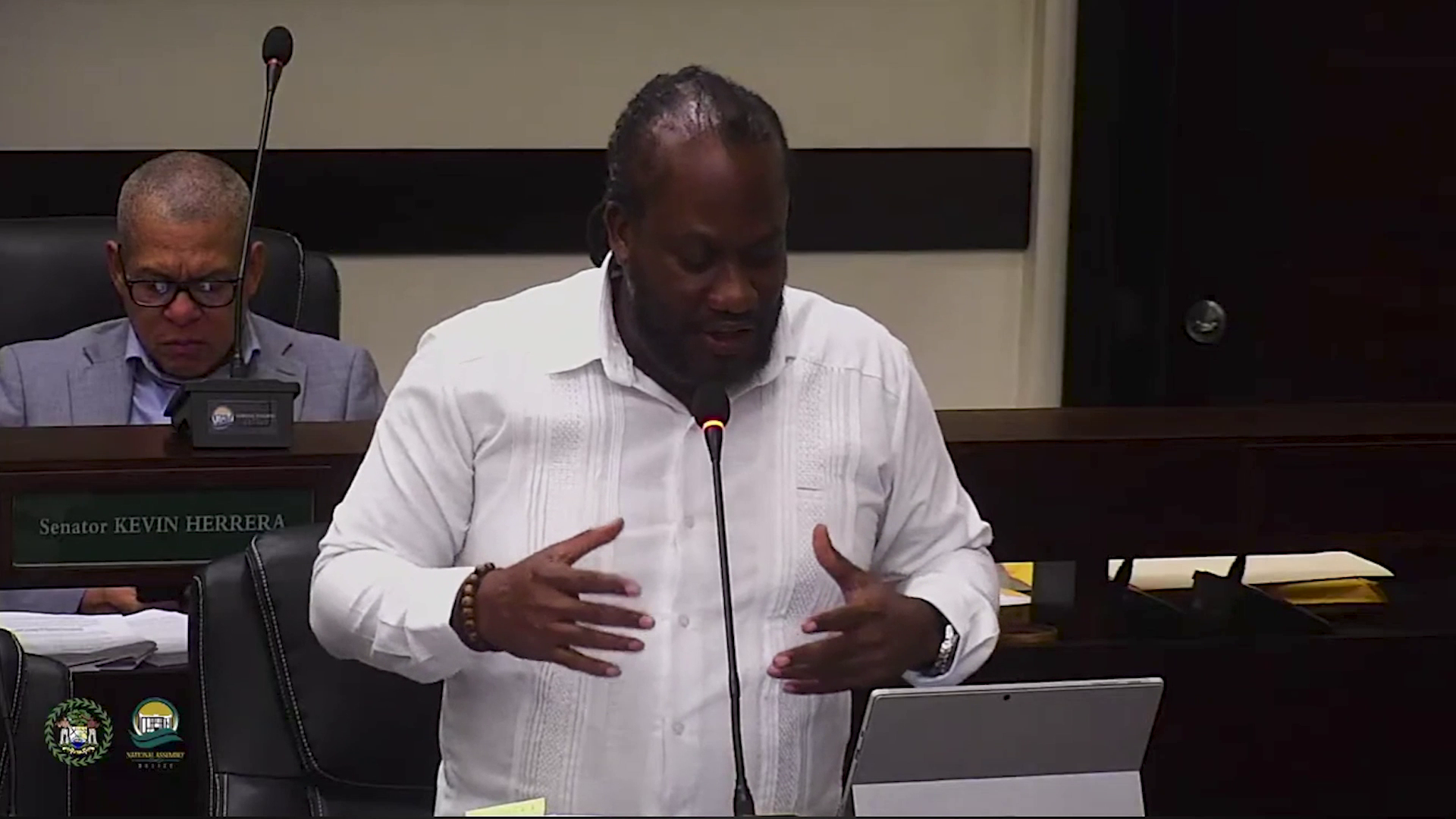
On October 30, 2026, Belize’s Senate convened a public legislative debate over a landmark proposed amendment to the National Security Council Act, which would mandate formal vetting protocols and periodic polygraph testing for all members and secretariat personnel of the national security advisory body. Leading the government’s case for the reform was Anthony Sylvestre, Leader for Government Business, who emphasized the uniquely sensitive nature of the council’s work, noting that staff and members routinely access top-secret classified intelligence tied to national safety. Sylvestre argued that the high-stakes mandate of the body demands rigorous, recurring scrutiny to eliminate any risk of insider compromise, asserting that mandatory polygraph screenings are a logical, necessary safeguard to protect state interests. However, Lead Opposition Senator Sheena Pitts pushed back on gaps in the draft legislation, pointing out that the current text includes no clear enforcement or disciplinary framework to address high-risk red flags that could emerge from vetting results. Pitts raised a concrete illustrative scenario: if mandatory screenings uncovered that a senior law enforcement official such as the Commissioner of Police was a cocaine user facing severe personal financial ruin, the bill offers no explicit provisions for immediate remedial action to mitigate the clear risk of that official being manipulated by criminal networks. The debate formed part of the country’s official evening televised newscast, which noted that any segments featuring Kriol speech were transcribed using a standardized, verified spelling system to preserve the accuracy of legislators’ remarks, with the full unedited broadcast available for public viewing via the news outlet’s official streaming portal.