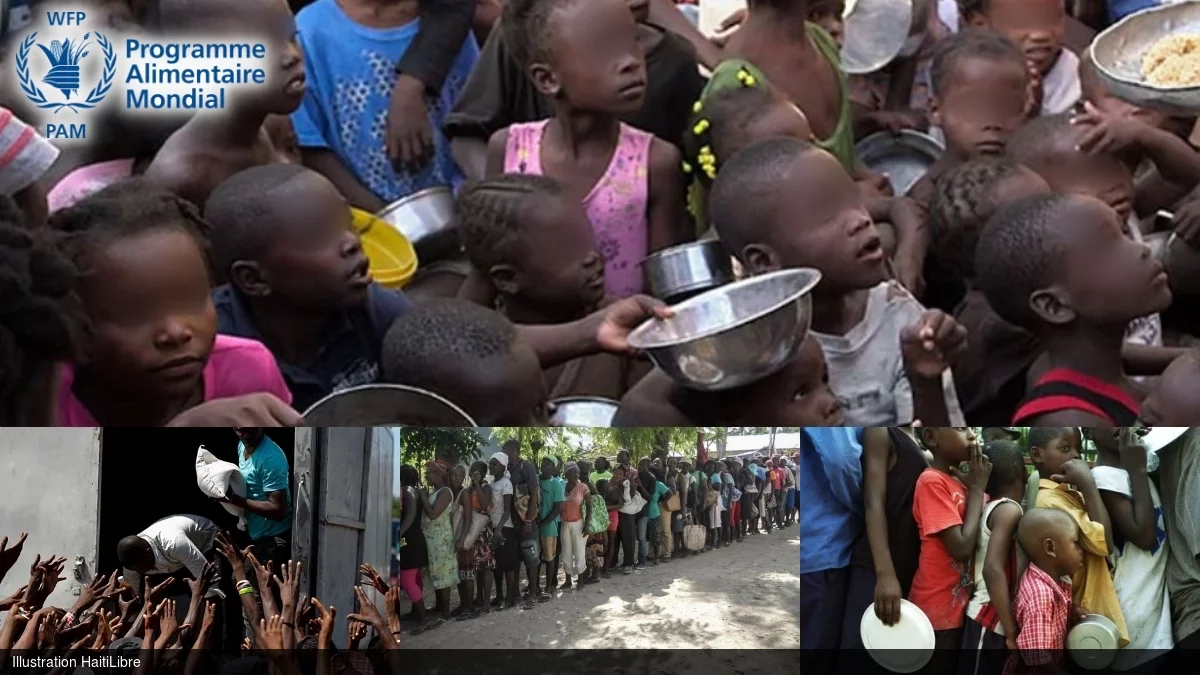
Port-au-Prince, 30 Oct 2026 – Longstanding warnings from the United Nations World Food Programme (WFP) that Haiti’s tentative, hard-won gains in food security could rapidly unravel have fully materialized, as new official assessments confirm the Caribbean nation is on track to hit catastrophic, record-breaking levels of acute hunger in the first half of 2027.
The latest findings from the Integrated Food Security Phase Classification (IPC) paint a grim portrait of accelerating food system collapse: between March and June 2027, a staggering 6.35 million Haitians – more than half a million higher than the figure recorded for the same period in 2026 – will be trapped in acute food insecurity. Of that total, nearly 2 million people will fall into IPC Phase 4, the “Emergency” tier defined by extreme food shortages, spiking mortality risks, and life-threatening rates of acute malnutrition, forcing households to adopt desperate, harmful survival tactics just to access minimal sustenance.
This humanitarian tipping point has been fueled by a toxic confluence of overlapping crises: rampant gang violence that has paralyzed swathes of national territory, spiraling economic instability, successive failed agricultural harvests, mass internal population displacement, and the worsening cascading impacts of the El Niño weather pattern that has disrupted traditional rainfall cycles across the region.
The most vulnerable groups bear the brunt of the crisis: more than 1.5 million Haitians have been driven from their homes by armed conflict, and communities trapped in gang-controlled zones or overcrowded displacement sites face near-insurmountable barriers to earning income or growing their own food. Even with existing humanitarian food distributions acting as a fragile safety net, millions of displaced families living in unsanitary, cramped camp conditions cannot reliably access a single full meal each day.
“Our field teams are documenting desperation levels we have never seen before, as unrelenting violence pushes families out of their homes again and again,” said Lauren Landis, WFP’s Country Director for Haiti. “Many arrive at displacement sites with nothing but the clothes they are wearing. That total loss of livelihoods, paired with the squalid, overcrowded conditions they are forced to endure, creates the perfect storm for hunger and life-threatening malnutrition to spread unchecked.”
The crisis is no longer limited to Haiti’s conflict-torn urban centers: rural communities that previously faced only crisis-level food insecurity (IPC Phase 3) are projected to slide into the Emergency Phase 4 tier by mid-2027, erasing years of incremental progress in building local food self-sufficiency.
Landis emphasized that a two-pronged response is required to pull Haiti back from the brink: immediate life-saving food aid, paired with scaled-up long-term investments that build community resilience to future shocks, from El Niño-driven droughts to extreme rainfall events. Since the start of 2026, WFP has partnered closely with the Haitian government to deliver support to 2.6 million people, including emergency food parcels, unrestricted cash transfers, school meal programs where 74% of ingredients are sourced directly from local smallholder farmers, national social protection schemes, and targeted interventions to prevent stunting and malnutrition among infants and young children. The agency is also rolling out anticipatory cash payments ahead of forecasted weather disasters, restoring critical rural roads and water management infrastructure, and launching crop micro-insurance schemes that shield small farmers from ruinous losses due to drought or unseasonal flooding.
To keep these life-sustaining operations running through March 2027, WFP is issuing an urgent call to the global community to mobilize $78 million in critical funding, warning that gaps in support will push hundreds of thousands of additional Haitians over the edge into catastrophic hunger.
FLASH : Hunger reaches record levels in Haiti, and warnings are becoming reality