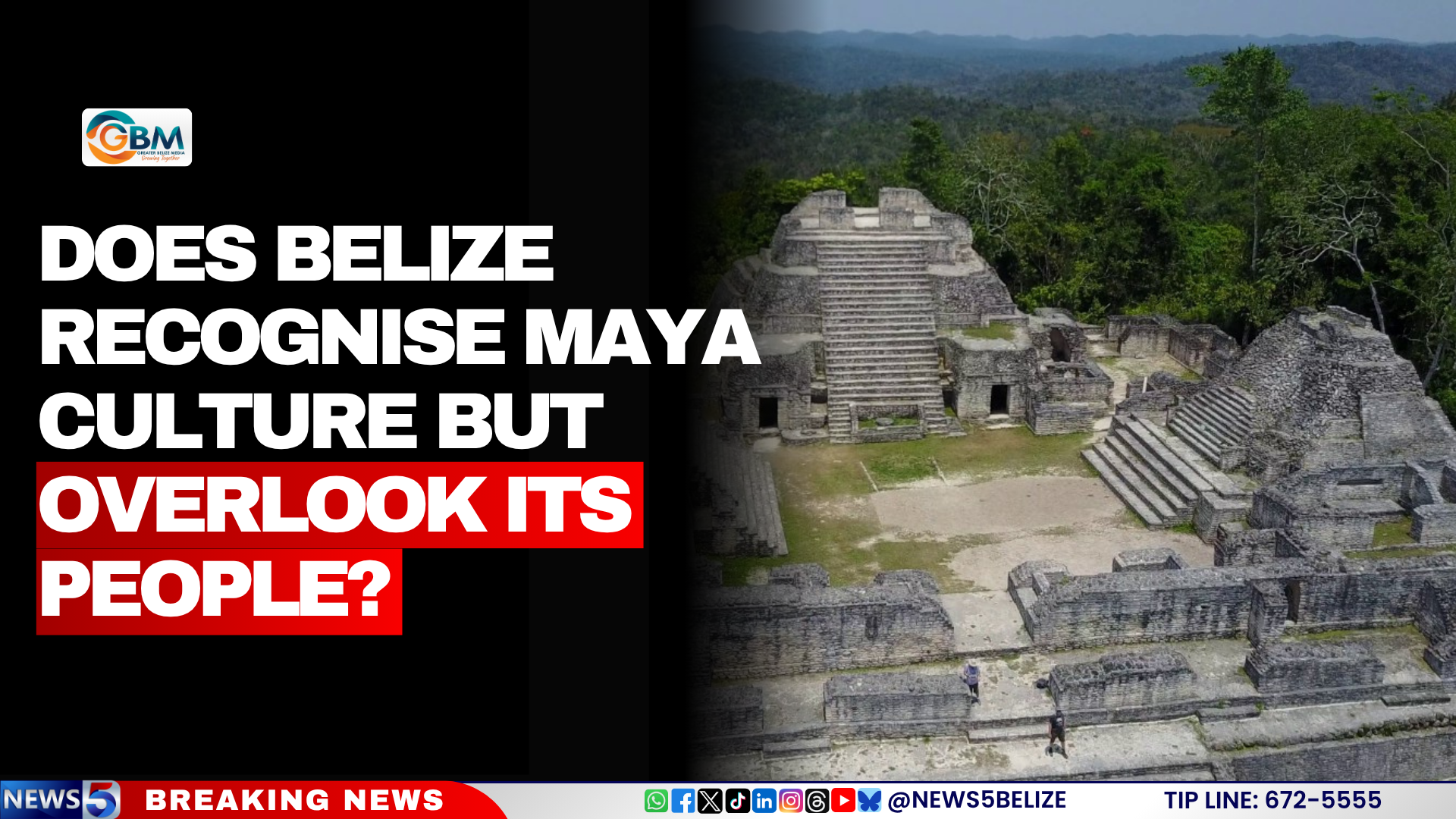
Delivering a landmark address at the sixth annual Belize K.U.L.C.H.A. Symposium on October 30, 2026, Governor-General Dame Froyla Tzalam has issued a sharp, urgent call for the Central American nation to move beyond superficial public celebration of ancient Maya heritage and deliver concrete, systemic recognition and support for the living Maya communities that make up one of Belize’s foundational Indigenous groups.
Tzalam, a Mopan Maya woman herself, pushed back against widespread prevailing narratives that frame the country’s existing cultural tributes – including the widely promoted Mundo Maya cross-border heritage initiative and frequent public official praise for the historic achievements of the ancient Maya civilization – as sufficient recognition for the descendants of Belize’s first inhabitants. She emphasized that performative nods to Maya cultural legacy, or even the presence of a small number of Maya-identifying professionals in senior public roles, do not equate to equitable representation, or the integration of core Maya communal values into national policy and governance frameworks.
Noting that her own historic appointment as Governor-General is frequently cited as proof of successful Indigenous inclusion in Belize, Tzalam argued that such token milestones mask deeper, unaddressed gaps that leave many Maya communities marginalized. She posed a series of targeted, unflinching questions to symposium attendees: what structured support exists to help Maya communities preserve and pass down their ancestral cultural practices for future generations? What policy and land tenure reforms are being implemented to guarantee Maya families can live safely, sustainably and with full dignity on the ancestral territories their communities have stewarded for millennia?
The Governor-General further tied the ongoing exclusion of Maya perspectives to Belize’s unaddressed colonial legacy, noting that centuries of imposed Western institutional frameworks still shape how the country records its history, defines its national identity, and sets priorities for public investment. She outlined that centering underrecognized Indigenous knowledge systems, rather than sidelining them as niche cultural curiosities, would bring transformative benefits for all Belizeans, particularly by embedding long-held Maya values of collective communal responsibility, proactive ecological stewardship, and intergenerational care for future generations into the country’s national sustainable development strategies.