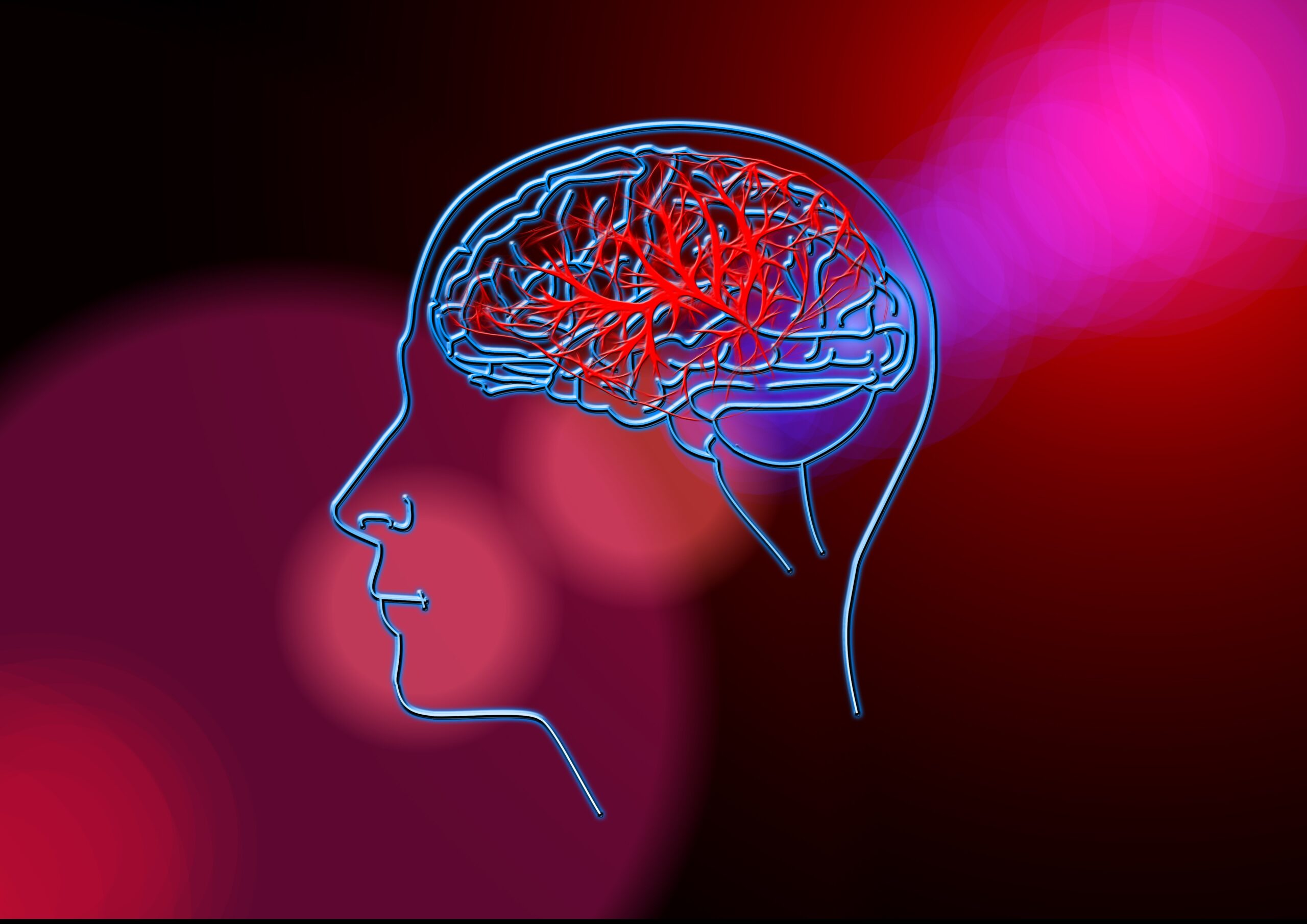
Marked on 29 October, this year’s World Stroke Day centers on the urgent global theme “Every Minute Counts”, calling for widespread public education to address a growing global public health crisis that impacts communities across every income level. Recent global epidemiological data confirms that 1 in 4 people worldwide will experience a stroke at some point in their lifetime, with more than 12 million new cases recorded annually. Crucially, clinical research confirms that up to 90% of all stroke events are fully preventable, positioning targeted public health education as the most cost-effective, accessible tool to drastically reduce mortality and long-term disability rates linked to the condition.
A stroke is classified as an acute, life-threatening medical emergency triggered either by a blockage cutting off blood supply to the brain, or the rupture of a blood vessel inside brain tissue. From the moment a stroke begins, brain cells start to die at a rapid pace, meaning every passing minute without appropriate medical intervention leads to irreversible loss of neurological function, reduced chances of full recovery, and higher risk of permanent disability or death. Building public familiarity with the different clinical classifications of stroke is the foundational first step to empowering communities to respond quickly and save lives.
Three distinct categories of stroke are recognized by global health authorities: Ischemic strokes, the most prevalent form, account for 85% to 87% of all recorded cases, developing when a blood clot or accumulated fatty plaque blocks an artery responsible for transporting oxygen-rich blood to brain tissue. Hemorrhagic strokes occur when a weakened blood vessel in the brain leaks or bursts, spilling blood into surrounding brain matter and creating dangerous, unregulated pressure that damages delicate brain cells. Transient Ischemic Attacks (TIAs), often referred to as “mini-strokes”, involve a temporary, short-term reduction or blockage of blood flow to the brain that does not typically cause permanent neurological damage, but acts as an extremely critical early warning sign that a major, life-altering stroke may occur in the near future.
Global stroke response campaigns widely promote the FAST mnemonic to help members of the public rapidly identify common stroke symptoms and take immediate action: individuals experiencing a stroke may show sudden confusion, slurred speech, or difficulty understanding others; sudden numbness, weakness, or paralysis that typically impacts only one side of the body, observable when one arm drifts downward when raised or one side of the face droops when attempting to smile; sudden blurred, blacked-out, or double vision in one or both eyes; an extremely severe, uncharacteristic headache that may be paired with vomiting, dizziness, or altered consciousness; and sudden stumbling, loss of balance, or impaired coordination while walking. Anyone observing these symptoms, even if they appear to fade or disappear entirely, should note the exact time symptoms first appeared and seek emergency medical care without delay.
Survival rates and long-term recovery outcomes for stroke patients are directly tied to the speed at which they receive specialized clinical care, making public awareness sharing far more than a casual public health campaign: distributing this life-saving information to family, friends, and wider social circles can directly prevent unnecessary stroke deaths. This World Stroke Day, organizers are also calling on global communities to advocate for policy changes that deliver equitable, universal access to specialized stroke care units, life-saving clot-busting thrombolysis medications, and mechanical thrombectomy procedures for populations in low and middle-income regions that currently lack access to these critical interventions.
This awareness content is contributed by Wayne Campbell, an educator and social commentator whose work focuses on development policies and their intersections with cultural and gender equity issues. NOW Grenada bears no responsibility for the opinions, statements, or media content presented by independent contributors, and users may click a designated platform link to report any instances of inappropriate content.