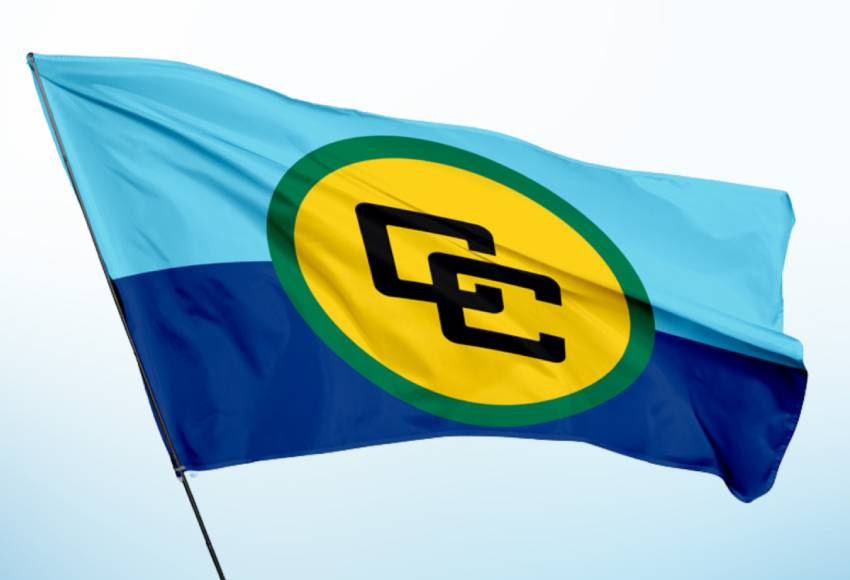
During their 44th Intersessional Meeting convened on 23 October 2026, the leadership of the Caribbean Community (CARICOM) gathered to review latest updates in the ongoing global selection process for the next Secretary-General of the United Nations. The collective body of Caribbean heads of government first restated the bloc’s unwavering dedication to rules-based multilateralism, anchored firmly in the foundational frameworks of the UN Charter and universally recognized international law, as a core pillar of small island and developing state security and prosperity. The summit leaders formally reaffirmed their full, unqualified backing for the candidacy of Ambassador Carolyn Rodrigues-Birkett, a widely respected Guyanese national and career diplomat with deep roots across the Caribbean region, a position first publicly codified in the official communiqué released at the conclusion of CARICOM’s 51st Regular Conference on 10 July 2026. The heads of government emphasized their complete confidence in Ambassador Rodrigues-Birkett’s proven track record of integrity and leadership, noting that her 20-plus years of cross-sector experience spanning field operations, legislative governance, domestic political office, high-stakes diplomatic negotiations, and international civil service make her uniquely qualified to steer the United Nations through the current era of cascading global crises, while driving long-overdue institutional reform and organizational renewal aligned fully with the core missions of the UN Charter. They highlighted her established reputation as a pragmatic change agent and skilled consensus-builder, capable of bridging divides across developed and developing nation blocs to deliver inclusive solutions. The summit participants also referenced the 21 September 2026 declaration on the UN Secretary-General selection process released by foreign ministers of the Community of Latin American and Caribbean States (CELAC) in New York, stressing that the UN Security Council and General Assembly must uphold the longstanding principle of equitable geographical representation and honor the established regional rotation convention for the top UN post. Leaders framed this principle as a critical protective safeguard, particularly for small and vulnerable nations that seek meaningful representation in the highest echelons of the global body to ensure their voices are not sidelined in global governance decisions. Building on that framework, CARICOM heads of government stated explicitly that the time has come for a representative from Latin America and the Caribbean to take the helm of the United Nations, noting the broad cross-regional support that has already coalesced around candidates from the Americas region. The bloc further extended formal gratitude to all nations that have already voiced support for Ambassador Rodrigues-Birkett’s candidacy, noting that the historic appointment of a Caribbean woman to the UN’s top leadership role would open an unprecedented, transformative new chapter for the global organization and the broader international community.