Published on October 28, 2026, a new cross-continental public safety initiative is putting a straightforward, high-stakes question to households worldwide: could your family function fully for 72 consecutive hours without access to grid electricity, running tap water, stable internet, or routine retail access to basic goods? This query sits at the core of a sweeping update to public emergency preparedness guidance across Europe, as national governments ramp up public outreach to encourage residents to proactively stock critical supplies and formalize household safety plans ahead of potential service-disrupting crises.
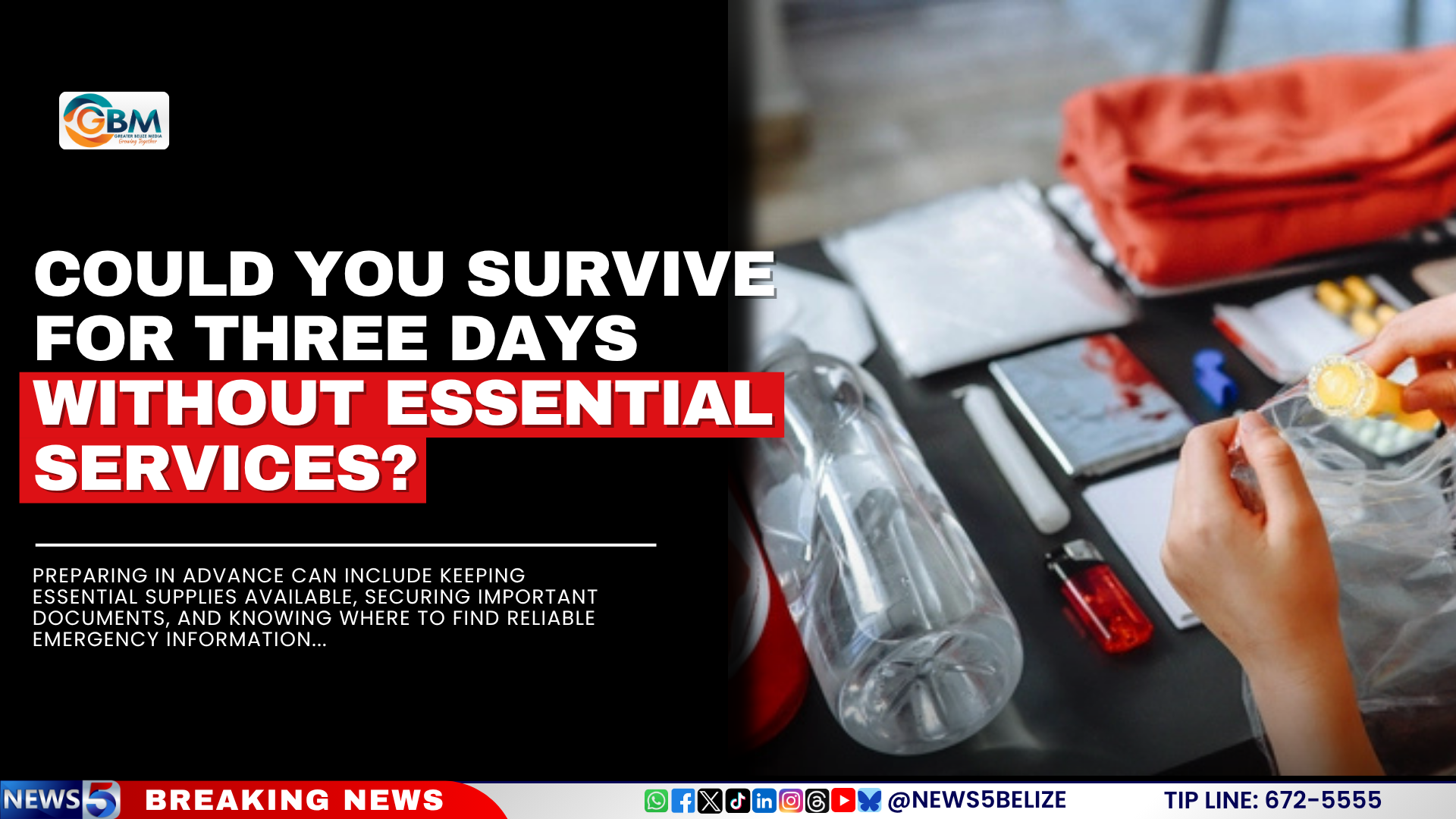
Earlier this week, the United Kingdom officially rolled out its nationwide public awareness campaign aligned with pre-existing EU emergency readiness frameworks, marking the country’s formal alignment with longstanding preparedness norms already adopted by fellow European Union member states. The campaign outlines a standardized, comprehensive checklist of mandatory household supplies designed to sustain a full household for a minimum of three days amid widespread service outages. The EU’s official recommended emergency kit mandates a minimum of 5 liters of potable water per individual in the home, alongside a stock of no-prep non-perishable food paired with a manual can opener to remove reliance on electric cooking appliances. Additional required items include a battery-powered flashlight with backup power cells, a hand-crank or battery-operated AM/FM radio to access emergency updates when mobile networks fail, a fully charged portable power bank for mobile devices, and a printed hard copy of all critical emergency contact information to avoid data loss if electronic devices are inoperable. The full list also covers a well-stocked first aid kit and a 72-hour supply of all prescription personal medications, core hygiene products including hand soap and toilet paper, basic household tools, a signal whistle for rescue situations, spare house and car keys, weather-appropriate outerwear and sturdy waterproof footwear, physical copies of all government-issued identification and vital legal documents, a reserve of small-denomination cash for situations where digital payment systems are offline, and dedicated separate supplies to cover all needs for household pets.
The UK’s new guidance is structured to help households navigate a broad spectrum of potential disruptive events, ranging from increasingly frequent extreme weather events and geophysical natural disasters to large-scale cyberattacks targeting critical national infrastructure, and cascading service disruptions stemming from heightened geopolitical tensions.
Parallel to the European outreach, Belize’s National Emergency Management Organization (NEMO) is doubling down on its longstanding public messaging that disaster preparedness cannot be limited exclusively to the annual Atlantic hurricane season. National Emergency Coordinator Daniel Mendez recently issued a public reminder urging citizens to abandon the common practice of delaying emergency preparations until a named storm is visible on weather tracking maps. “You have to maintain a state of readiness at all times, because there is no way to predict exactly when a crisis will unfold,” Mendez emphasized. “It is reckless to wait until a hurricane system is spotted on the horizon before you start putting your emergency plans in place.”
NEMO’s latest public advisory also encourages all households to draft and practice a formal family emergency response plan, assemble their full supply kits well in advance of any alert, and ensure every household member is fully familiar with local designated evacuation routes and shelter protocols. The newly released European 72-hour preparedness framework serves as an additional global reminder of how critical individual household readiness is to reducing casualty rates and easing strain on overstretched emergency response teams in the immediate aftermath of a large-scale crisis. For residents of Belize, pro-active readiness steps can include storing their emergency kits in a easily accessible, dry location, securing all vital physical documents in a water-proof sealed bag, and pre-registering for official NEMO emergency alert channels to access verified, timely updates during a crisis. As the range of potential service-disrupting hazards continues to expand far beyond tropical storm systems, public safety officials across multiple regions are now calling into question how many ordinary households have actually completed the basic prep steps needed to keep their families safe when standard public services suddenly shut down.
Could You Survive For Three Days Without Essential Services?