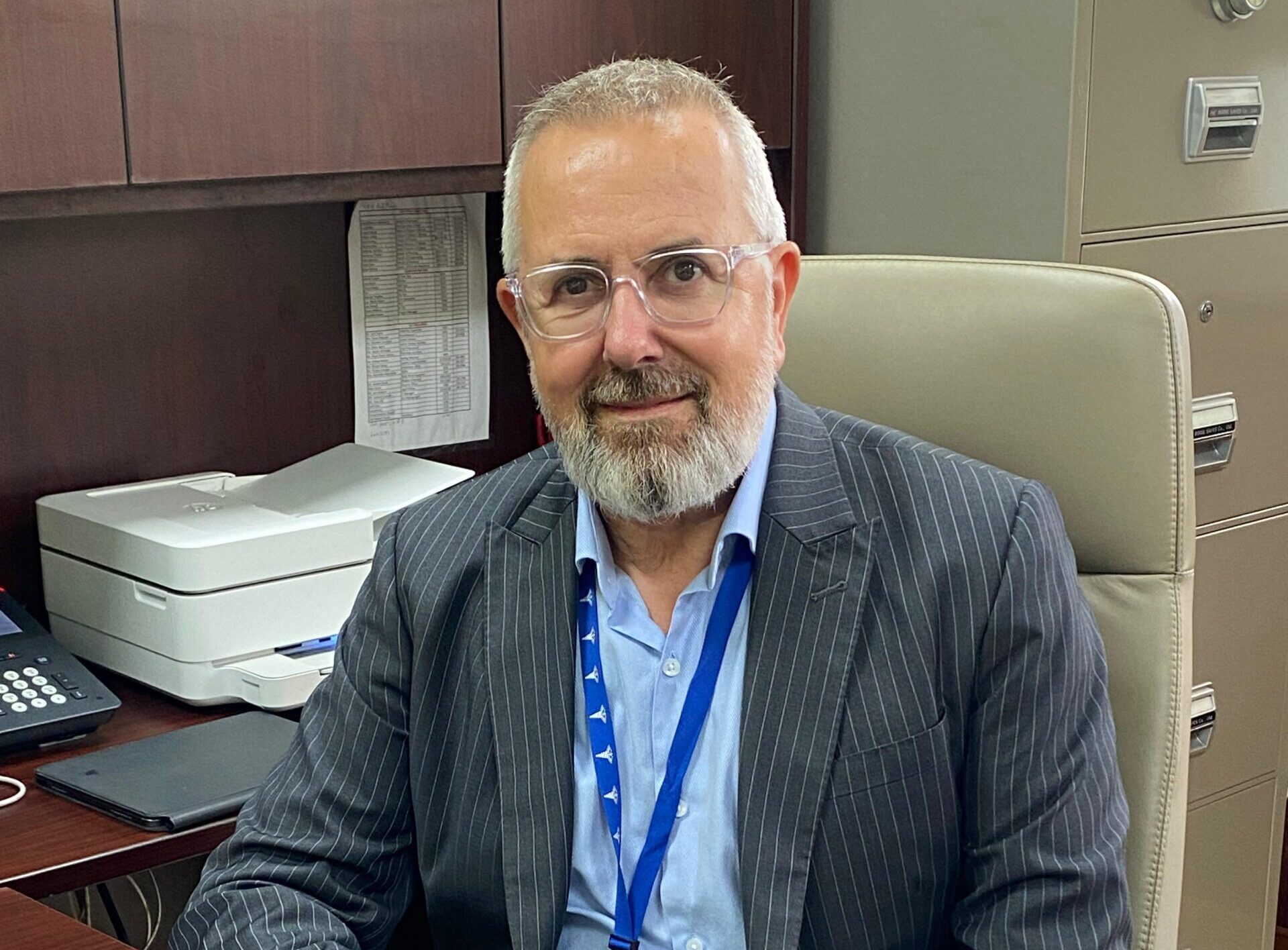
Top leadership at Barbados’ Queen Elizabeth Hospital (QEH) has formally committed to systematically addressing long-running grievances from its Accident and Emergency (A&E) nursing cohort, following a brief industrial action earlier this week that prompted urgent intervention from the island’s public sector workers’ union. The breakthrough closed-door consultation between hospital executives and frontline A&E nursing representatives took place on Wednesday, exactly 24 hours after the nurses resumed full clinical duties following preliminary negotiations mediated by their union leadership.
Neil Clark, QEH’s Chief Executive Officer, characterized the two-hour discussion as uncommonly transparent and solution-focused in an official public statement released shortly after the meeting adjourned. Clark noted that the direct, unfiltered feedback he received from frontline care teams gave him far clearer visibility into the layered daily hurdles staff navigate on shift, ranging from chronic understaffing gaps, inadequate on-site medical supplies, uncompetitive compensation structures, and unsustainable workload pressures that have pushed many team members to near burnout. “Every single one of our A&E nurses shows up day after day to deliver compassionate, life-saving care even under extraordinary, unrelenting pressure, and that level of dedication deserves to be met with tangible action, not just empty recognition,” Clark emphasized during his public remarks. The hospital CEO went on to extend a standing open-door policy to all A&E staff, inviting any nurse to reach out to him directly with unaddressed concerns, improvement proposals, or feedback without fear of professional repercussion, framing cross-team collaboration as the only viable path to upgrade both frontline working conditions and overall patient care standards for the Barbadian public.
Throughout the brief period of industrial action, QEH leadership confirmed that all critical emergency care services remained fully operational, with no disruptions to access for patients seeking urgent medical treatment. The recent work stoppage was triggered by mounting frustration among A&E nurses over months of unaddressed critical gaps: severe understaffing that often left single nurses responsible for monitoring upwards of 20 acutely ill patients at peak hours, and persistent shortages of basic essential supplies ranging from personal protective equipment to emergency diagnostic tools.
Richard Green, General Secretary of the National Union of Public Workers (NUPW), confirmed to local outlet Barbados TODAY that the union had deployed senior representatives for urgent intervention on Monday evening immediately after the A&E nursing cohort reached out for formal support. Green added that preliminary agreements struck during pre-return negotiations already included firm commitments from hospital management to reallocate additional trained nursing staff to the under-resourced A&E department on an accelerated timeline, and to roll out a targeted procurement plan to eliminate existing gaps in critical medical supplies within 30 days.
QEH pledges action after A&E work stoppage