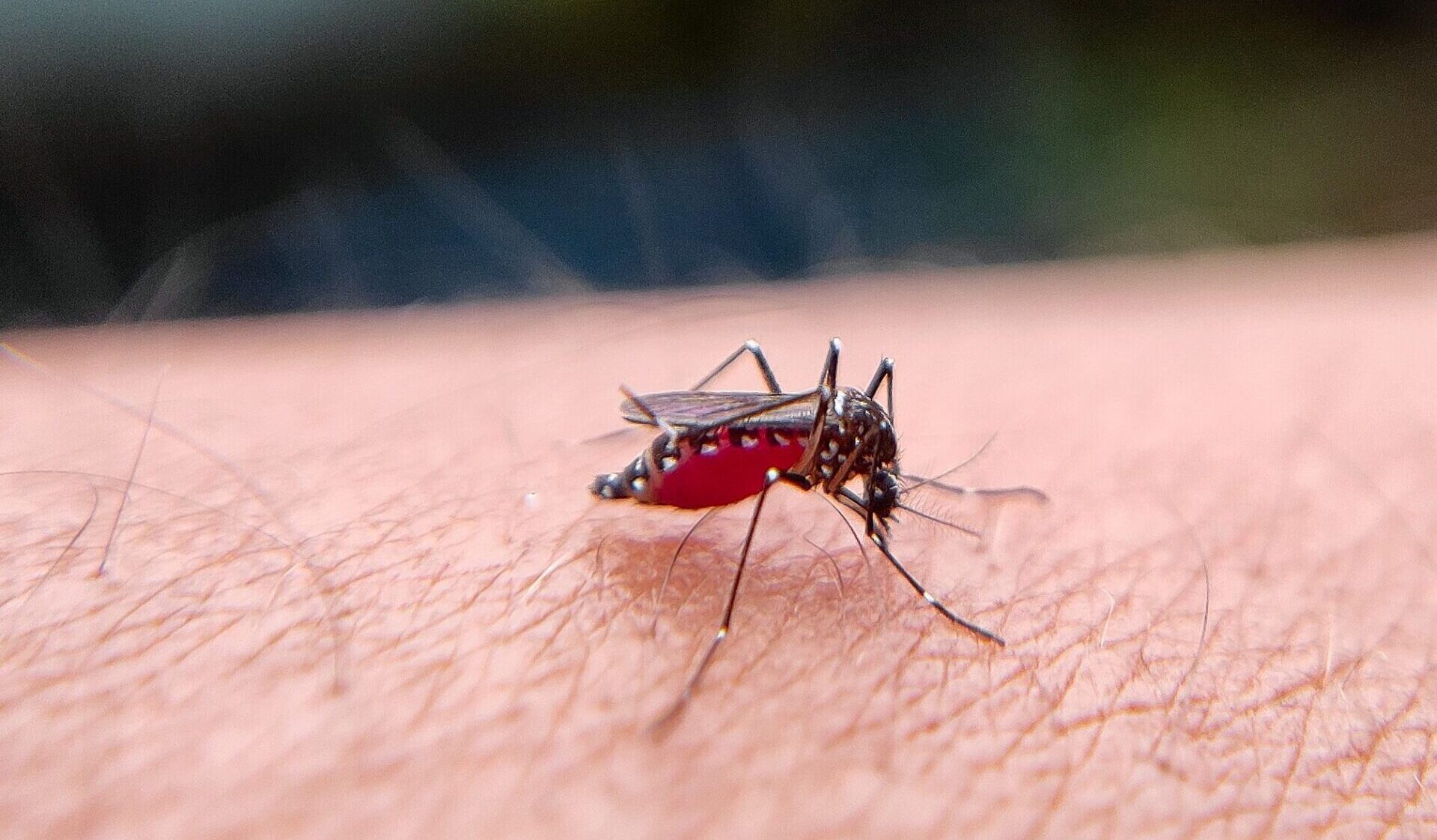
The Pan American Health Organization (PAHO) has issued an urgent public health advisory targeting Caribbean member states, calling for accelerated action across three core fronts: expanded vector control measures, enhanced cross-border disease surveillance, and proactive preparation of local healthcare systems to accommodate potential upcoming surges in dengue and chikungunya case volumes. This formal warning comes on the heels of documented resurgent local transmission of both Aedes aegypti-borne viral illnesses across multiple swathes of the Americas, compounded by growing public health concerns tied to the projected amplified impacts of the 2026 El Niño climate pattern, which typically drives higher rainfall and standing water accumulation that expands mosquito breeding habitats. In its latest published epidemiological snapshot covering data up to mid-September 2026, PAHO tallied roughly 1.69 million suspected dengue infections across the entire Americas region, alongside 3,413 confirmed severe dengue cases and a total of 571 virus-linked fatalities. While overall regional reported dengue case counts sit 58% below figures recorded for the identical timeframe in 2025, the health agency emphasized that this aggregate downward trend is highly geographically inconsistent: sharp, sustained upticks in transmission have been logged in the Caribbean, Central America, and Andean subregions in recent months. Critically, all four distinct serotypes of the dengue virus are confirmed to be circulating simultaneously across the Americas in 2026, a dynamic that elevates the risk of more severe secondary infections for populations previously exposed to a single serotype. Chikungunya transmission has also emerged as a growing public health priority, with consistent growth in case counts recorded from late 2025 through the first nine months of 2026, including localized outbreaks in multiple island and mainland territories where the virus had not been detected for multiple consecutive years. As of the mid-September reporting cutoff, 20 nations across the region had submitted a combined total of 213,919 suspected chikungunya cases, 78,481 of which were laboratory-confirmed, with 88 recorded chikungunya-associated deaths. PAHO epidemiologists additionally flagged several unusual, high-risk trends for chikungunya transmission in 2026: outbreaks are occurring in geographic zones with no prior documented history of the virus, sustained transmission is taking place outside the traditional seasonal warm-weather window, outbreak durations are running significantly longer than historical averages, and clinical teams are reporting a higher-than-expected volume of severe, life-threatening chikungunya presentations. To counter these interconnected threats, PAHO has laid out a tiered set of actionable recommendations for national health authorities. First, countries must scale up integrated surveillance systems that combine epidemiological case tracking, ongoing virological monitoring of circulating virus strains, and systematic vector population surveys, paired with expanded access to low-cost, rapid diagnostic testing to enable earlier case identification. Second, frontline healthcare facilities must conduct targeted training for primary care staff to recognize early warning signs of progressing dengue and chikungunya complications before patients require emergency intervention, while upgrading hospital capacity and stockpiling necessary supplies to safely manage spikes in severe patient admissions. Third, jurisdictions must roll out community-wide integrated Aedes mosquito control campaigns that combine targeted environmental cleanup initiatives with widespread public engagement, urging households and local municipal authorities to systematically eliminate standing water reservoirs and discard unused outdoor containers that serve as prime mosquito breeding sites. PAHO leadership underscored that interrupting mosquito reproduction at the source remains the single most cost-effective, evidence-based strategy to curb onward transmission of both viral diseases and prevent avoidable mortality across vulnerable communities.
PAHO urges Caribbean countries to prepare for possible rise in Dengue and Chikungunya cases