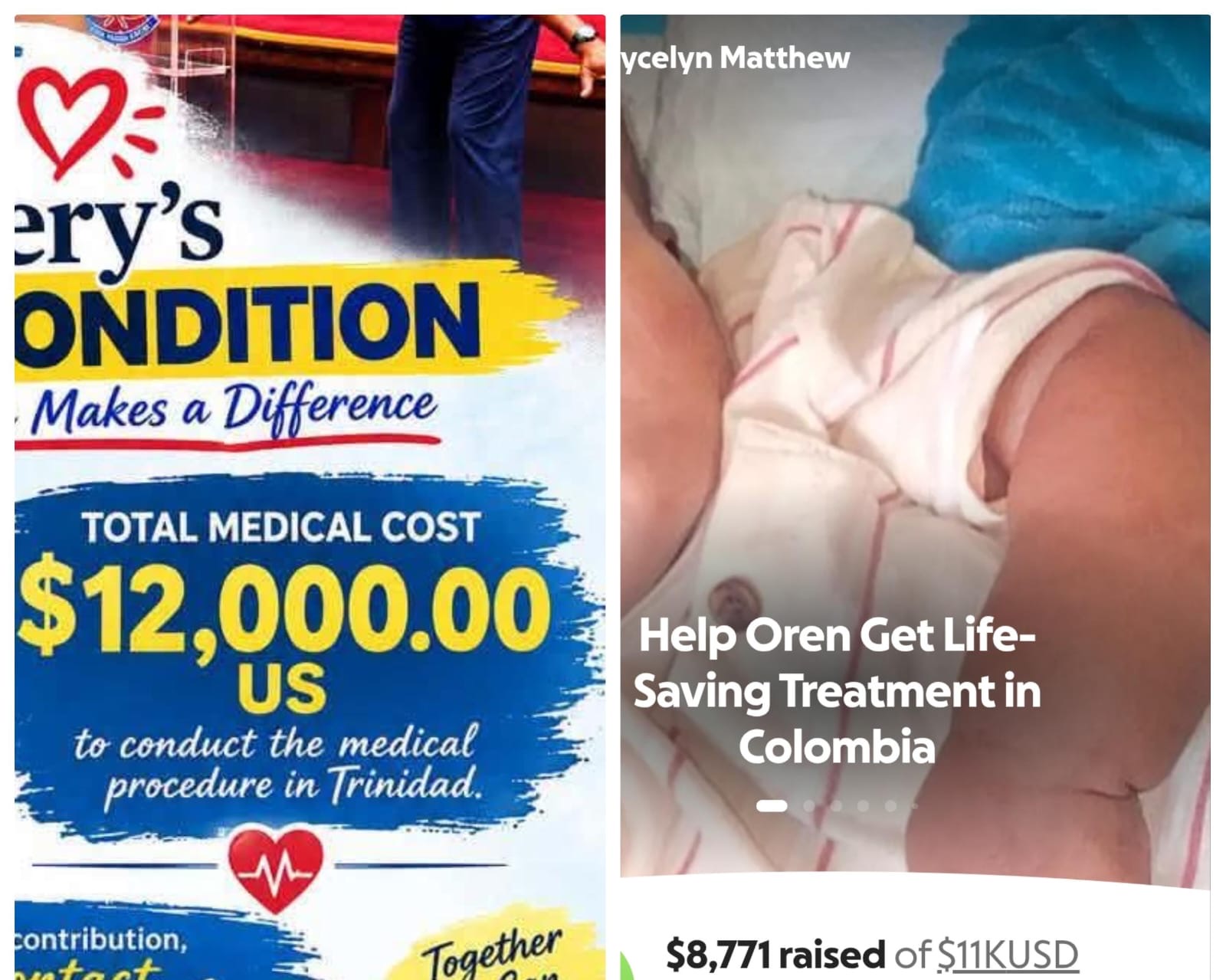
A concerned resident of Antigua and Barbuda has published a public letter questioning the lack of visible government involvement amid two concurrent community fundraising drives to cover overseas specialized medical treatment for a seriously ill local child. Two separate crowdfunding campaigns are currently circulating across local communities: one targeting US$10,000 to fund care in Colombia, and a second seeking US$12,000 for treatment based in Trinidad and Tobago. The letter’s author notes deep personal sympathy for the child’s family, acknowledging that any parent navigating a child’s life-altering health crisis faces unimaginable stress, and that widespread public instinct to rally around the vulnerable is a core strength of the local community. However, the concerned citizen emphasizes that collective compassion must be paired with basic accountability when members of the public are being asked to donate large sums of money, rather than framing the line of inquiry as criticism of the grieving or stressed family. The letter lays out a series of unaddressed, high-priority questions that campaign organizers and relevant authorities have not yet clarified: whether the proposed overseas treatment plans have received formal sign-off from licensed local medical practitioners, whether the two named international hospitals have submitted official written confirmation that they will admit the child and deliver the outlined care, a full itemized breakdown of exactly what costs the raised funds will cover, and a formal public mechanism to verify that all donated funds are used exclusively for the stated medical purposes. Most notably, the author presses for clear disclosure of what steps Antigua and Barbuda’s national health authorities have taken to evaluate the child’s care options, and what official support the government has offered to facilitate appropriate, safe overseas treatment. The letter warns that unvetted medical fundraising campaigns carry long-term systemic risks for the community: if unanswered questions erode public trust in charitable medical giving, future families with verifiable, urgent medical needs may find potential donors too sceptical to contribute, cutting off a critical lifeline for vulnerable residents. The author stresses that transparency in these cases does not undermine collective compassion, but rather protects donors, preserves the community’s long-standing culture of mutual aid, centers the child’s best interests, and ensures that all proposed medical interventions are medically valid and logistically feasible. The letter closes by reiterating that the public deserves clear, official answers about the government’s role in the case and verified documentation of the proposed treatment plans, to allow community members to make fully informed, confident decisions about supporting the child.
OPINION: Where Is the Government in All of This? A Child’s Medical Crisis Raises Important Questions