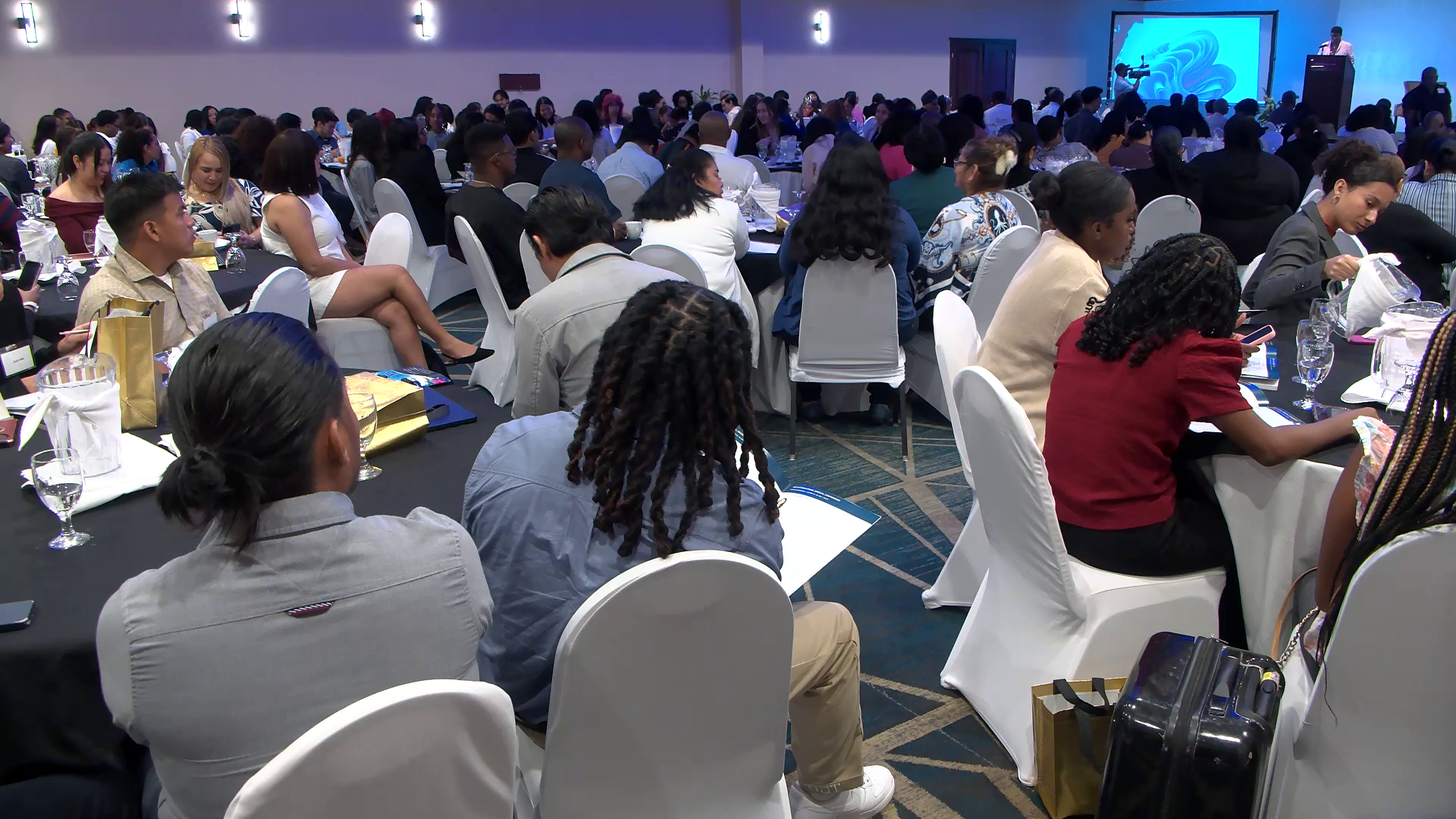
On October 26, 2026, Belize City played host to the three-day Resilient Futures International Medical Conference, a landmark gathering that brought together over 200 local and global healthcare practitioners, policymakers, and industry stakeholders to confront longstanding inequities that leave quality care out of reach for large swathes of the national population. For decades, Belize’s healthcare ecosystem has grappled with structural barriers where geographic location, household income, and educational attainment often dictate whether a resident can access basic services, let alone specialized treatment for conditions ranging from cancer to chronic vision impairment. The conference, organized by Monarchy Consulting Group in the wake of a two-day free clinic that served nearly 500 underserved patients, was designed to turn scattered conversations about system improvement into actionable, community-centered solutions. Belize’s Minister of Health and Wellness Kevin Bernard emphasized that building a truly resilient national health system requires targeted investment across interconnected pillars: modernized medical infrastructure, upgraded clinical equipment, and strategic integration of emerging digital and health technologies. The government, Bernard noted, is committed to providing full institutional support to advance these priorities, even as stakeholders acknowledge the significant associated costs of such upgrades. Beyond technology and infrastructure, a core priority for organizers is nurturing a robust, locally trained healthcare workforce. Monarchy Consulting Group CEO Monica Betson Montgomery outlined a dual-focused vision: inspiring Belizean students to pursue advanced medical training to expand the pool of homegrown care providers, and delivering long-overdue formal recognition and support to frontline clinical staff who have carried the burden of serving communities for years without sufficient public acknowledgement. Frontline specialists echoed these on-the-ground realities, with leading ophthalmologist Dr. Windell Murphy pointing to systemic gaps in eye care as a stark microcosm of national inequity. With a national population of roughly 430,000 served by only 10 to 15 practicing ophthalmologists and fewer than 7 dedicated eye care facilities, rural and low-income residents are disproportionately likely to go without life-changing vision treatment, even as urban and higher-income groups can access services with relative ease. Conference participants also sought to dismantle long-outdated silos between dental and general medical care, with Magazine Dental Academy founder Dr. Osbert Usher arguing that preventative oral health must be centered in national public health strategy, as poor dental outcomes are directly linked to a wide range of systemic chronic health conditions that increase overall patient risk and strain public health resources. Over the three days of panel discussions, hands-on workshops, and collaborative working sessions, attendees explored use cases for artificial intelligence in public health outreach, scaled-up disease prevention frameworks, targeted improvements to mental health and women’s health services, and expanded local medical research capacity. Organizers have expressed optimism that the cross-sector partnerships forged during the event will translate to tangible, equitable improvements that bring high-quality care within reach for every Belizean, including remote rural communities that have historically been sidelined by the national healthcare system.