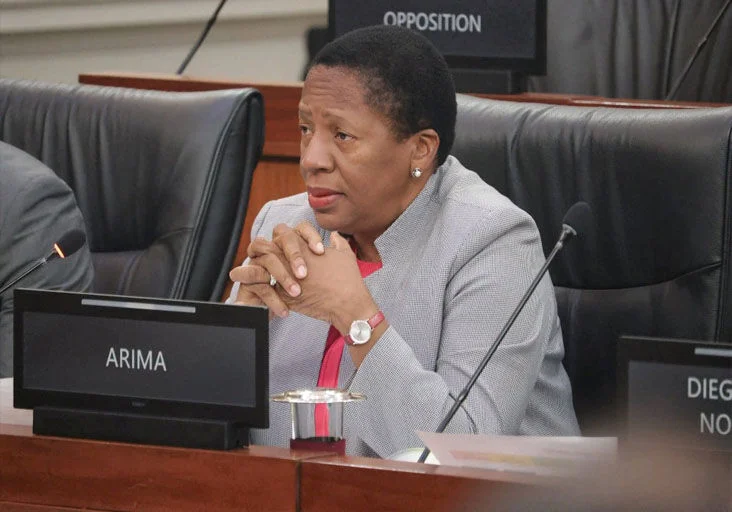
Trinidad and Tobago’s 2026/2027 national budget secured passage in the House of Representatives on Wednesday, drawing unified rejection from the parliamentary opposition bloc that has slammed the fiscal blueprint as a hollow, hardship-driving plan that neglects the nation’s most pressing economic and social priorities. The upcoming phase of legislative review will shift to the Senate, where formal budget debates are scheduled to kick off at 10 a.m. the following day. In an official statement released immediately after the lower house vote, the People’s National Movement (PNM) opposition caucus outlined a sweeping list of grievances against the ruling United National Congress (UNC) administration’s spending framework, arguing the document contains no actionable, evidence-backed roadmap to pull Trinidad and Tobago out of its ongoing economic slump. Opposition lawmakers emphasized that the proposed budget does nothing to mitigate cascading job losses, skyrocketing household living costs, and deep-seated structural economic challenges facing the twin-island nation. The opposition further took the UNC government to task for failing to table a formal accountability report tracking the delivery of commitments laid out in the prior 2025/2026 fiscal year, asserting that internal PNM audits show over 90% of the administration’s previous fiscal pledges remain unfulfilled to date. The statement also accused government legislators of using parliamentary proceedings and public national discourse as a platform for personal attacks, inflammatory hate speech, historical revisionism, deliberate misinformation, and diversionary tactics designed to avoid scrutiny of poor economic stewardship. Of particular concern to the opposition is the administration’s refusal to release a full, transparent economic audit of national public finances, which the PNM claims hides a catastrophic overshoot of fiscal projections: the prior fiscal year’s originally budgeted $3 billion deficit had ballooned past $7 billion as of July, with no signs the gap will narrow in the coming months. “The people of this nation deserve full, unvarnished honesty about how our public finances have deteriorated to this alarming state,” the opposition’s statement stressed. The PNM also cited verified labor market data showing more than 60,000 Trinidad and Tobago residents have lost their jobs since the UNC took office, noting the new budget contains no targeted measures to restore displaced workers’ livelihoods or foster long-term, sustainable employment growth. Lawmakers warned that a planned upcoming hike in electricity rates will create cascading financial harm across the country: higher utility bills will stretch already strained household budgets to breaking point, raise operating costs for small and medium businesses, push consumer prices even higher, and put additional existing jobs at risk. “This government is demanding more in payments from citizens who already have far too little left to cover basic needs,” the opposition added. Additional points of contention include steep funding cuts to the Tobago House of Assembly, which the PNM argues will derail critical public services and planned community development projects across Tobago, as well as alleged discriminatory resource allocation that penalizes municipal corporations controlled by the PNM. The opposition claims these local governing bodies are being denied the funds required to repair crumbling road networks, maintain critical drainage systems, carry out regular garbage collection, and upkeep public recreational spaces, a policy it describes as collective punishment for communities that voted for opposition representation. The PNM warned these deliberate funding shortfalls create tangible public health risks and erode overall quality of life for thousands of residents, solely based on their geographic location and electoral choices. Finally, the opposition pushed back against the UNC government’s plan to take on significant new public debt, arguing that additional borrowing can never replace responsible, transparent fiscal management and a properly designed economic recovery strategy. In closing, the PNM caucus framed its no vote as a stand for displaced workers, cost-burdened families, and marginalized communities, and pledged to continue pushing for full government accountability and advocating for a people-centered economic agenda focused on job creation, expanded opportunity, and dignified living standards for all Trinidad and Tobago residents.