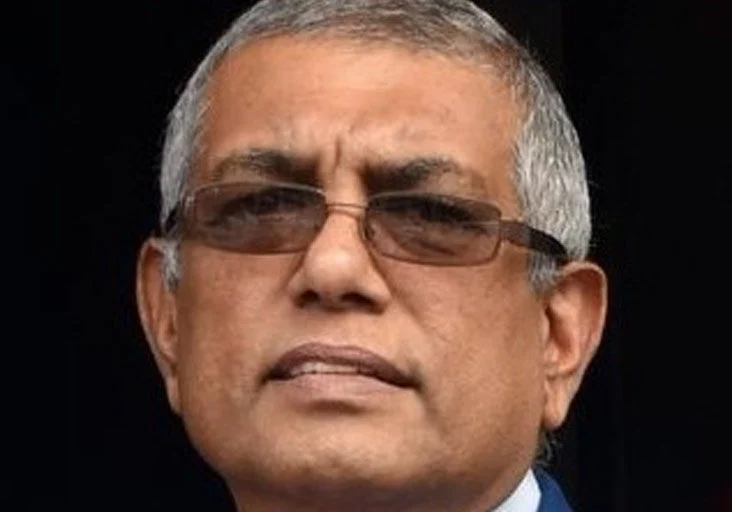
A wave of religious and community leaders in Trinidad and Tobago have stepped forward to call for measured dialogue and a peaceful resolution to the ongoing public dispute sparked by the sudden withdrawal of state and major corporate sponsorship for this year’s iconic Divali Nagar festival. Amid the unfolding debate, prominent Hindu leader Vijay Maharaj, secretary general of the longstanding Sanatan Dharma Maha Sabha (SDMS), has offered a stark, personal perspective on the risks of overreliance on state funding for cultural and religious events. Speaking in an exclusive interview with the Sunday Express, Maharaj noted he was not representing the SDMS in formal capacity, but shared a core principle instilled in him by his late father, the revered Sat Maharaj, decades prior: “I learnt many years ago from my late father never to depend on anyone, especially from any State organisation, for anything.” He explained that the 70-plus year old SDMS, founded in 1952 as a religious, cultural and educational body with a primary focus on academic programming, had briefly relied on state support in its earliest years but had deliberately built full operational independence ever since, only accepting voluntary, non-binding contributions from time to time with no strings attached. Maharaj declined to wade directly into the specific circumstances of the Divali Nagar sponsorship pullout, stating he wished to avoid dragging the conversation into partisan political debate or weighing in on the operations of cultural organisations that host only one or two large-scale public events per year. Elsewhere, Inter-Religious Organisation (IRO) vice-president Pundit Lloyd Mukram Sirjoo echoed calls for restraint, noting that Hindu cultural groups in Trinidad and Tobago have historically faced persistent funding hurdles when organising major public religious celebrations, a challenge rarely encountered by other faith communities. Sirjoo stressed that he did not possess full details of the events that led public sector bodies including the National Lotteries Control Board, Caribbean Airlines, bmobile and National Flour Mills to pull their previously committed sponsorship in recent days, and warned the public against rushing to one-sided conclusions before all facts are verified. He added that his core priority was ensuring the dispute did not overshadow national Divali observances, and expressed confidence that all parties could reach an amicable resolution to preserve the festival’s unifying spirit. This year’s Divali Nagar, hosted by the National Council of Indian Culture (NCIC) at its Endeavour, Chaguanas site, is scheduled to run from October 30 to November 7, drawing tens of thousands of attendees annually to enjoy cultural performances, heritage exhibitions, devotional activities and showcases of Indo-Trinidadian history. In the wake of the public sector sponsorship exodus, local beverage firm Blue Waters, owned by Dominic Hadeed, stepped in last week to commit significant financial backing and was named the event’s official Diamond Sponsor. The announcement soon drew a public, sarcastic remark from Prime Minister Kamla Persad-Bissessar, who highlighted a leaked, controversial recorded phone conversation from earlier this year in which Star Sabga – the aunt of Hadeed’s wife Genevieve – made a derogatory public slur targeting the sitting government, a comment that is currently the subject of active legal proceedings. Persad-Bissessar noted the apparent irony of the Hadeed family’s public sponsorship of a national religious event in light of the private slur, a remark that has added a new layer of partisan friction to the already tense debate over the festival’s funding.