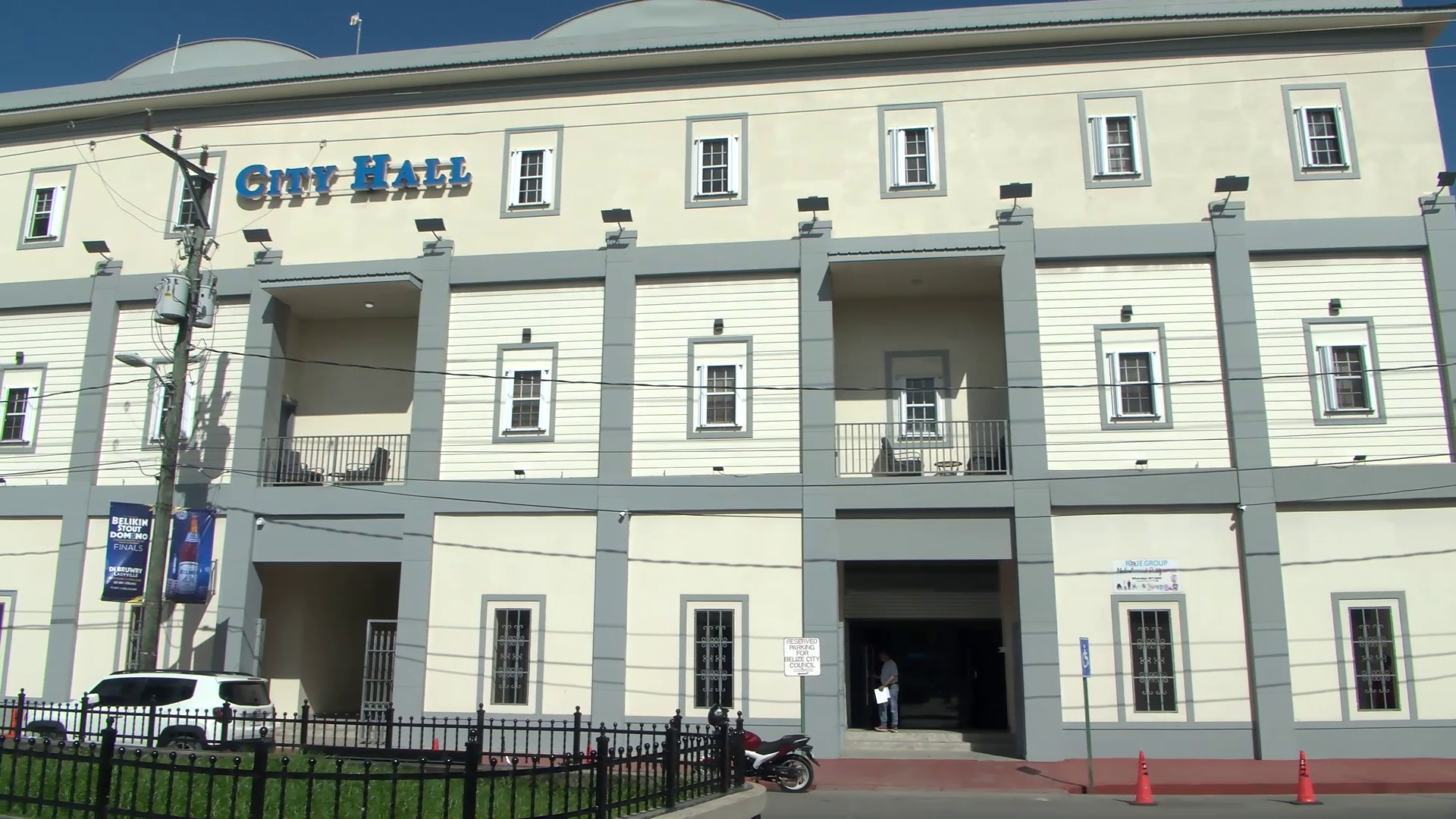
As 2026 enters its final quarter, Belize City is preparing for a major leadership transition, with three-term Mayor Bernard Wagner preparing to step down from City Hall, leaving the local government and residents debating one pressing question: what kind of financial state will his administration leave for the next incoming city council? Will the new leadership inherit a stable fiscal foundation, or will it be forced to immediately tackle another steep, resource-draining financial battle?
In a recent interview reflecting on his tenure, Wagner acknowledged that the Belize City Council has faced no shortage of hurdles during his time in office, but he stressed that his administration has repeatedly developed targeted strategies to navigate economic uncertainty and keep core municipal services operating without interruption. When asked to give a frank assessment of the city’s current fiscal health ahead of the formal handover of power, the outgoing mayor pushed back against common critical narratives surrounding the council’s finances.
“Belize City is never broke. We will always face challenges as a city – that is no secret,” Wagner stated in his remarks. “Contrary to what many people might claim, the Belize City Council is in a good position right now. You never heard me complain about failing to meet salary payments for our employees. Our main obligation is to our staff, and we have consistently met that commitment.”
Beyond meeting core operational obligations, Wagner highlighted the progress his administration delivered over three terms, pointing to major advancements across both physical and social infrastructure development across the city. He noted that all municipal governments inherently face uneven financial cycles, with natural peaks and valleys in revenue and expenditure demands. The key to successful governance, he argued, is the ability to adapt and navigate those challenges rather than pretend they do not exist.
This report is a transcribed excerpt from an evening television newscast, with all words from speakers originally presented in Kriol transcribed using a standardized spelling system for accuracy.