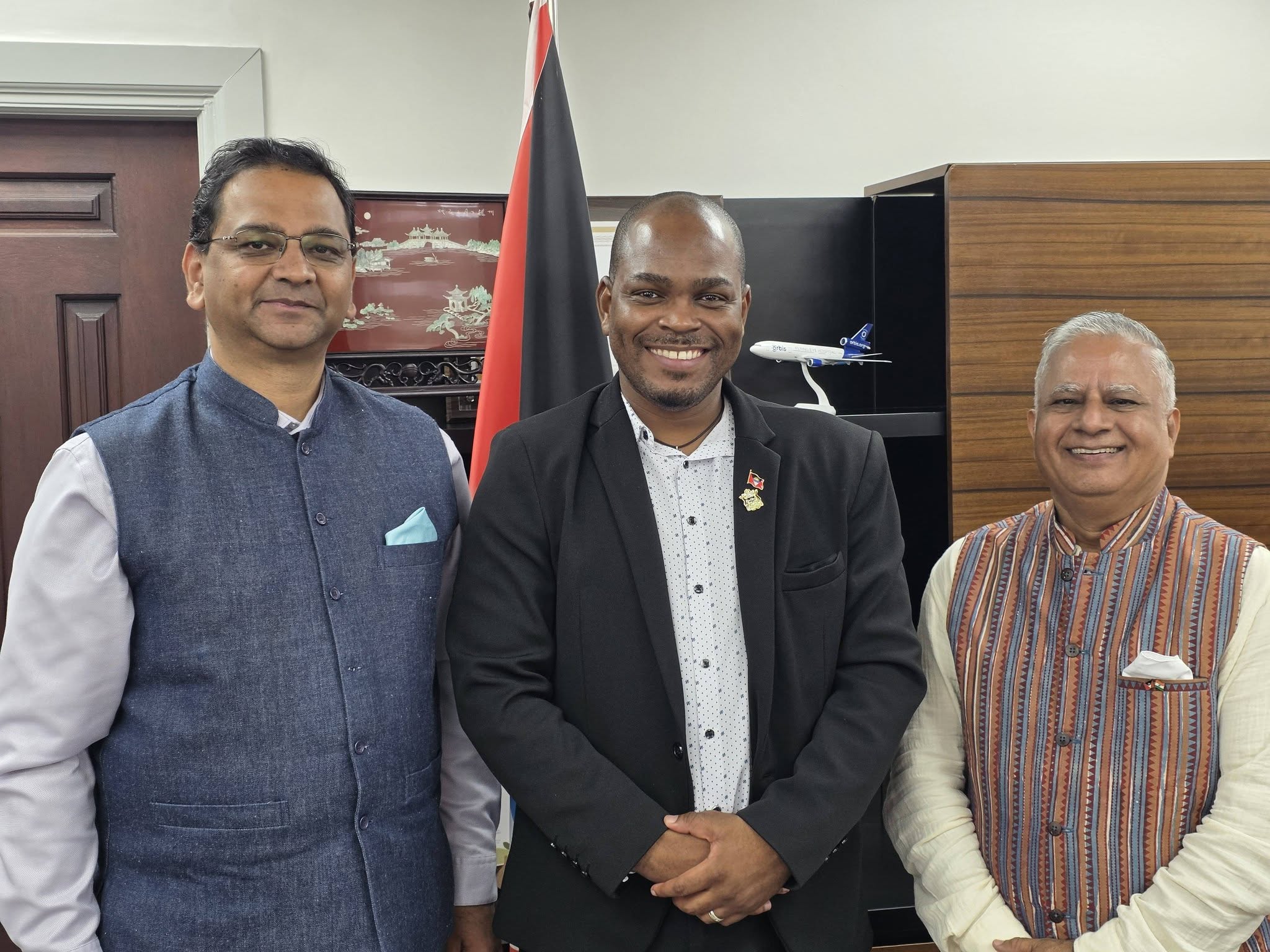
High-level bilateral deliberations between representatives of Antigua and Barbuda and India have zeroed in on actionable, people-centric collaboration pathways spanning two high-priority domains: targeted healthcare system strengthening and inclusive climate action, according to official statements from Antigua and Barbuda’s government leadership. Led by Minister Joseph, the Antiguan delegation framed the talks around unlocking tangible, near-term benefits for local communities while laying durable groundwork for sustained cross-national cooperation.
A core pillar of the recent exchange centered on tapping into India’s globally recognized advanced medical capabilities to fill critical gaps in Antigua and Barbuda’s public health infrastructure. Negotiators mapped out a phased partnership roadmap that would first deliver targeted shipments of specialized medical equipment and under-supplied hospital resources to address immediately identified operational shortfalls across the island nation’s care facilities. Longer-term, the proposed framework would create formal pathways for Antiguan patients to access India’s top-tier specialized treatment centers, facilitate knowledge sharing between Indian medical practitioners and local health workers, and even explore regulated, context-appropriate integration of traditional Indian medicine practices into Antigua and Barbuda’s public health offerings where clinical suitability is confirmed.
Minister Joseph emphasized that the partnership is rooted in a clear mandate to expand equitable access to specialized care for all Antigua and Barbuda residents, many of whom currently face high costs and logistical barriers to accessing complex medical treatments that are not available locally. “India has built out an extraordinary, world-class ecosystem of specialized healthcare services that balances cutting-edge clinical innovation with cost-effective delivery models, and that is an enormous asset for our nation as we work to upgrade our care system,” the minister noted. “We are not just pursuing one-off donations of supplies; we are building a collaborative structure that will deliver tangible improvements for our communities for decades to come.”
Beyond healthcare, the two delegations also charted plans to deepen bilateral climate cooperation that extends far beyond formal intergovernmental negotiating tracks. A key priority outlined by Minister Joseph is centering civil society and youth voices in joint climate action planning, a shift designed to ensure that grassroots perspectives shape both nations’ climate strategies ahead of the upcoming UN Conference of the Parties (COP) summit and in the years following the event. The planned collaboration will explore joint renewable energy deployment projects, shared climate resilience technology transfers, and youth exchange programs that empower young climate leaders from both nations to contribute to global climate solutions.
Minister Joseph noted that the expanded climate dialogue aligns with shared priorities for small island developing states like Antigua and Barbuda, which face disproportionate risks from rising sea levels and extreme weather events, and India, which has emerged as a global leader in expanding accessible renewable energy capacity. Both sides have committed to follow up on the preliminary talks in coming weeks to translate the identified priority areas into concrete, signed initiatives and a formal long-term bilateral cooperation framework.
Antigua and Barbuda and India Explore Expanded Cooperation in Healthcare and Environmental Sustainability