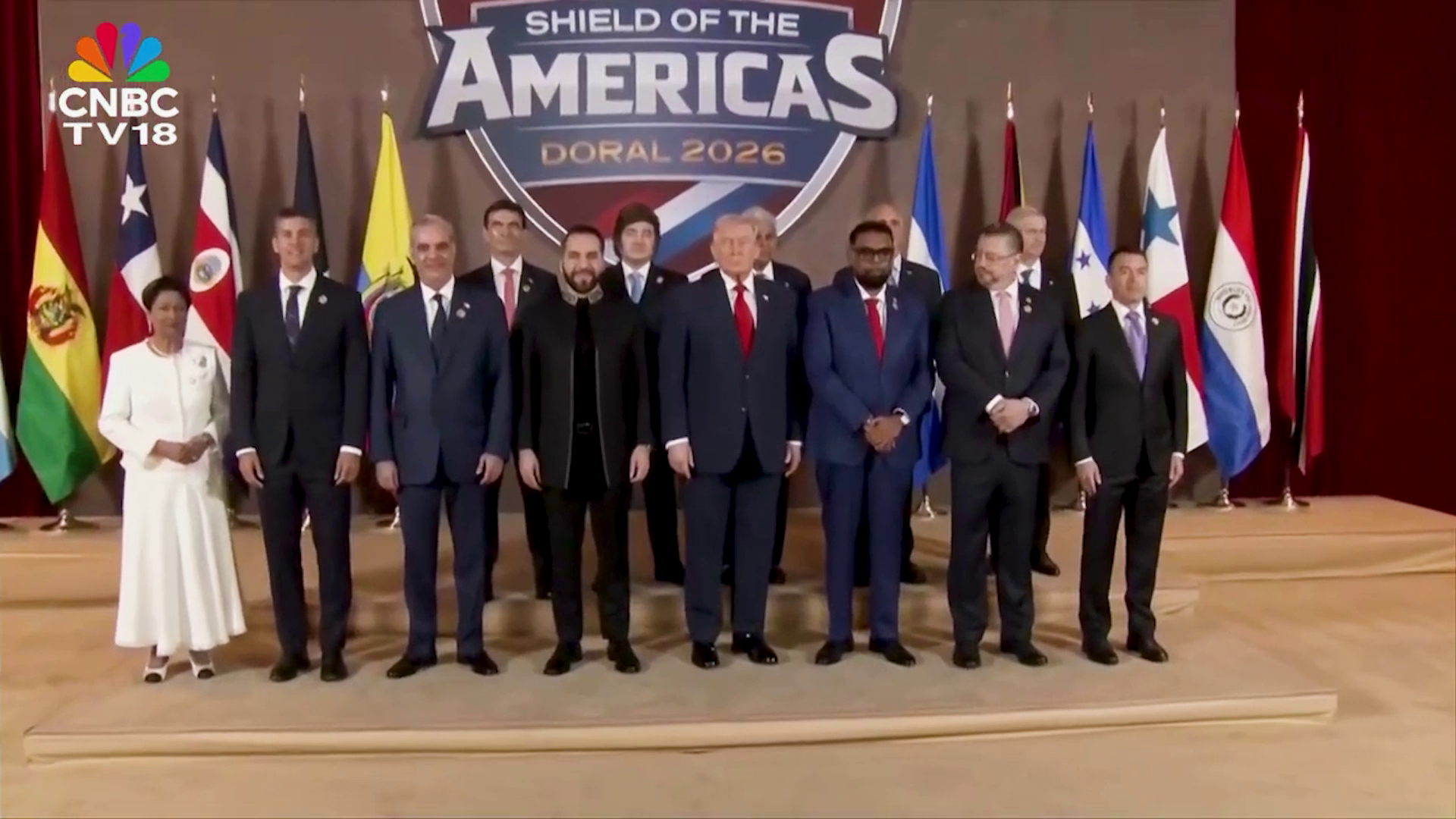
As the U.S.-led Shield of America security initiative continues to take shape across Latin America and the Caribbean, Belize is taking a cautious, deliberate approach toward deepening security cooperation with Washington, Prime Minister John Briceño has confirmed. The initiative was first rolled out publicly in March 2025, when former U.S. President Donald Trump hosted a high-profile summit for regional leaders in Florida to launch the plan. Notably, Belize was not among the countries invited to that initial gathering.
The Shield of America initiative is framed as a response to growing transnational security threats, particularly the expansion of criminal networks and drug cartels that have destabilized communities across the region. For Belize, which already faces persistent incursions from Mexican cartel operations, the prospect of increased security support and training is broadly appealing, Briceño acknowledged. But he stressed that Belize will not rush into any agreement that could compromise the nation’s sovereignty or core interests.
Following a brief meeting with U.S. Ambassador to Belize André Bauer on October 21, 2026, Briceño told reporters that the government is prioritizing a thorough technical review of the proposal before making any commitments. “We just had a brief discussion just now with the ambassador and the colonel,” Briceño said. “What we’ve just talked briefly about it and I’m having the technical people to meet. We’re asking the CEO for National Security along with the Commandant for the BDF and the admiral for the Coast Guard to be able to meet with them and to see what can, what is workable.”
Briceño reaffirmed that Belize has long been open to additional support to counter cartel activity. “We know we need help. We’ve been always saying that we need – there’s more training to be able to control any kind of attempt from the cartels, especially in Mexico to be able to come into Belize. So we will see what can work and whatever that can work in our interest and in the interest of the region, we’re prepared to do our part.”
When pressed by a reporter about whether Belize would follow the lead of neighboring Guatemala, which has rejected the possibility of hosting U.S. troops on its soil citing constitutional restrictions on foreign military presence, Briceño declined to give a definitive answer ahead of the technical review. “Well, as, as I said, let the technical people speak first, and after that I’ll be able to answer you better,” he noted.
The cautious stance from Belize reflects a broader trend across the region, where many governments are balancing the need for increased security assistance against concerns over national sovereignty and the long-term implications of deepening military cooperation with the United States. For now, Belize’s leadership is clear: any agreement must align with the country’s specific security needs and protect its national interests before it can move forward.