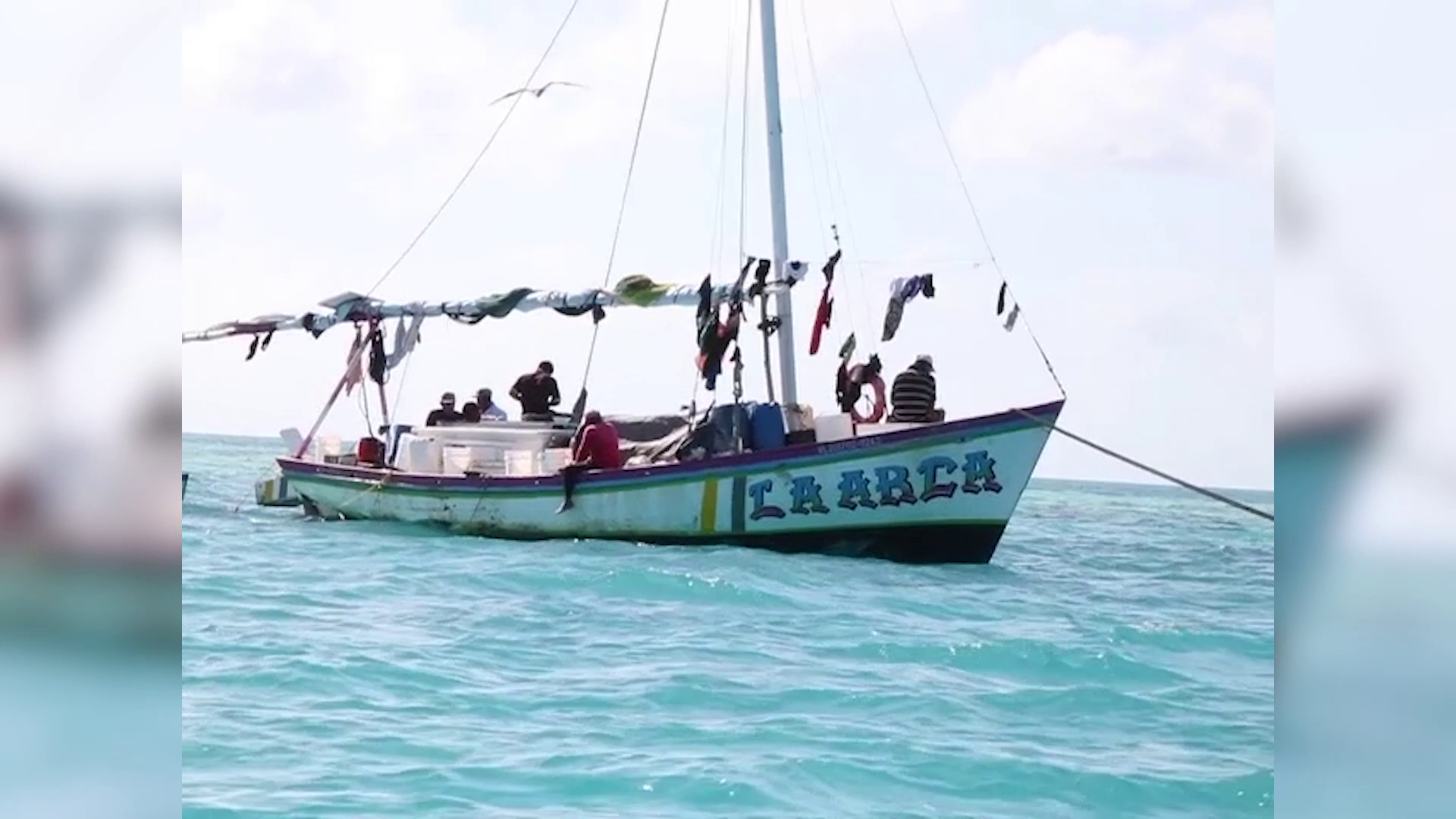
As the October 2026 implementation deadline for a new mandatory vessel tracking system approached, commercial fishing communities across Belize raised fierce opposition to the policy, forcing the national government to delay rollout to address stakeholder concerns.
The policy, introduced by the Ministry of Blue Economy and Marine Conservation, requires all commercial stone crab and shark fishing vessels to install a 24/7 Vessel Monitoring System (VMS) tracked by the Belize Coast Guard. Government officials have framed the mandate as a critical step to boost fishery regulation enforcement, prevent illegal fishing, and improve emergency response capabilities for vessels operating at sea. What was designed as a common-site pilot program to test ocean management, however, quickly sparked backlash from the fishing groups that would be most impacted by the new rule.
Leading the opposition is the Caye Caulker Fishers Association, which represents the vast majority of stone crab fishers in the region. Following an association-wide meeting last week, members voted unanimously to reject the mandate, saying the government imposed the requirement without any meaningful prior consultation with working fishers. Association president Ian Forte outlined a host of unresolved questions that have left fishermen deeply concerned about the policy’s implications, ranging from long-term costs to personal privacy.
“These aren’t unreasonable demands — these fishermen just want clarity before they are forced to install a permanent tracking device on their only source of income,” Forte explained. Among the top concerns are unresolved questions about who will cover ongoing subscription fees for the monitoring service after the pilot program concludes, and who is responsible for repairing or replacing damaged devices. Forte also noted that many small-scale fishing operators use their vessels for multiple purposes beyond commercial stone crab or shark fishing, including recreational trips and private tourism charters. The current VMS mandate requires 24/7 continuous tracking, meaning even non-fishing activity will be monitored and stored by authorities.
Forte drew a parallel to road transport policy to illustrate the privacy concerns, noting that a proposal to mandate GPS trackers on all private passenger vehicles to curb drunk driving would spark widespread public outrage. “This is the same principle. Why should fishing vessel owners surrender all their location data, all the time, without any explanation or consent?” he asked.
The Caye Caulker association sent a formal letter to the Department of Fisheries requesting an immediate pause on implementation to hold collaborative consultations that address fishermen’s questions before the policy moves forward. The Southern Fishermen Association, which represents the majority of the targeted shark fishing operations, has also issued a full rejection of the unmodified mandate.
In response to the organized opposition, Beverly Wade, Chief Executive Officer of the Ministry of Blue Economy and Marine Conservation, confirmed late on the original implementation deadline that rollout of the VMS requirement would be postponed. The delay will give government officials time to hold additional consultations with fishing stakeholders to address their concerns before moving ahead with the pilot program.