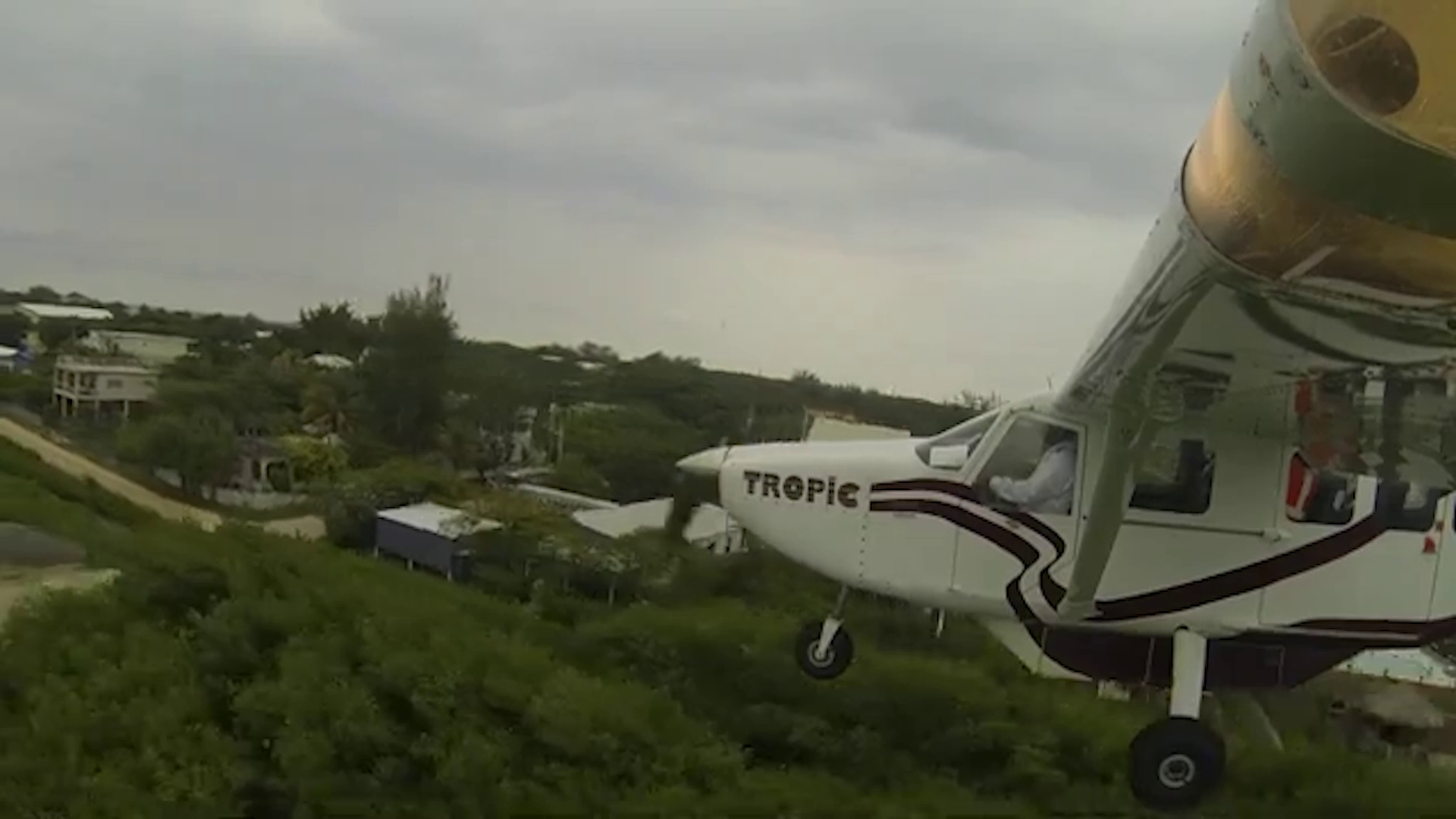
On the morning of October 19, 2026, hundreds of residents and stakeholders from Punta Gorda, a coastal community in Belize’s Toledo District, gathered peacefully at the local airstrip to press authorities for urgent answers about upcoming changes to regional air connectivity. The gathering comes just 12 days before Tropic Air, one of Belize’s leading regional airlines, operates its final scheduled flight into the town on October 31, a shutdown that has left local communities and business leaders facing deep uncertainty.
Residents and sector representatives stress that their concerns extend far beyond the impact on tourism—reliable air access is a lifeline for the entire Toledo District, enabling emergency medical evacuations, consistent access to critical off-island essential services, and reliable travel for local residents who rely on air links to connect with the rest of Belize. To date, the national government has not released a clear, detailed plan outlining what air services will replace Tropic Air’s existing routes after the end of October, leaving the community in the dark about future connectivity.
Local tourism industry leaders, who depend on air access to attract international visitors to the district’s remote eco-lodges and coastal attractions, have been particularly vocal about the risks of losing the service. One senior tourism stakeholder explained that most high-end guests to Punta Gorda arrive via air, noting that the overland route to the town is long and arduous for travelers already coming off long international flights from major hubs across the United States. For luxury properties like the Copal Tree Lodge and Garbutt’s, which cater to high-spending international visitors, a lack of convenient air access would be a major deterrent that could drive tourists to other regional destinations, he added.
Another stakeholder emphasized that scheduled air service to Punta Gorda is non-negotiable for the long-term health of the local tourism economy, calling on the entire community to unite behind efforts to preserve connectivity. Multiple stakeholders placed responsibility for resolving the crisis on the national government, noting that Tropic Air has publicly stated it is ceasing operations to the route due to ongoing financial losses, a business decision that leaves government to facilitate a replacement solution.
Wil Maheia, a prominent local tourism stakeholder, outlined the lack of progress on negotiations to date. More than two weeks prior, stakeholders held a large coordinating meeting at the Belize Tourism Industry Association (BTIA) office, after which the local area representative left to hold talks with leadership from Tropic Air and rival carrier Maya Island Air in San Pedro. The representative committed to follow up meetings with the Tropic Air CEO and present the community’s demands to the national Cabinet, but as of October 19, no official update or response has been shared with stakeholders. Maheia also pointed out a critical gap in the existing plan: even as officials suggest Maya Island Air could take over the route, no infrastructure has been prepared at the Punta Gorda airstrip to support Maya’s expanded operations with less than two weeks remaining before Tropic Air exits.
Earlier in October, the Belize Airport Authority stated that discussions with Tropic Air had not concluded, and that the agency remains committed to collaborating with the airline, local stakeholders, and other carriers to develop a viable long-term solution for Punta Gorda. As the deadline for service changes approaches, community members say they will continue pressing for a swift, clear resolution to avoid a catastrophic gap in air connectivity for the entire Toledo District.