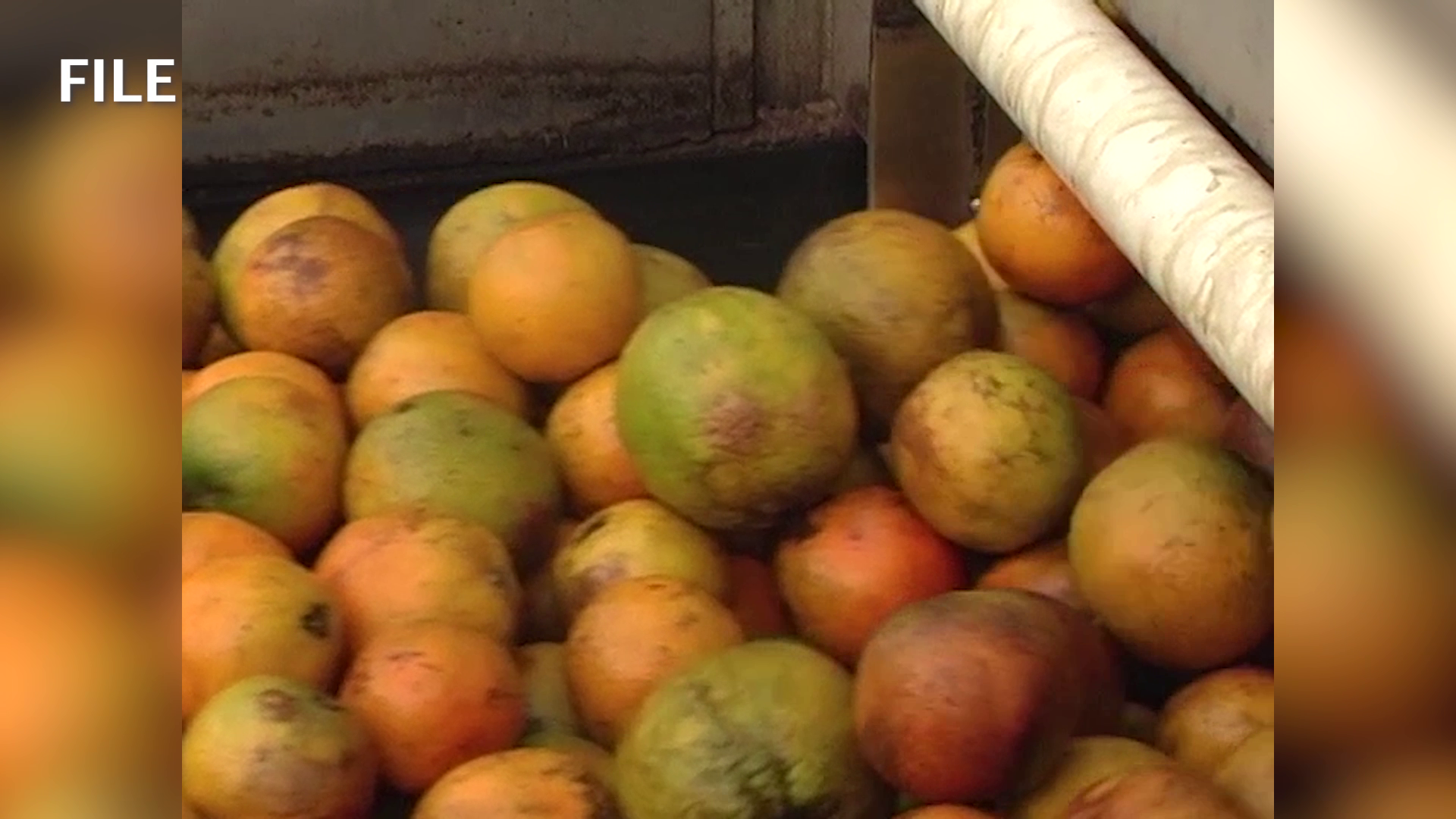
Agricultural output in Belize is facing significant contraction across key commodity sectors, with new government data revealing steep production declines for citrus and bananas that have dragged down the nation’s overall agriculture and natural resource GDP. Fresh statistics released by the Statistical Institute of Belize for the second quarter of 2026 show citrus production has plunged by nearly 66 percent year-over-year, while banana output has fallen by 15 percent. While sugarcane production bucked the downward trend with a modest gain, the broader agricultural sector still recorded a six percent overall contraction for the quarter. Agriculture Minister Rodwell Ferguson recently outlined the long-running challenges plaguing Belize’s staple fruit industries and laid out a multi-pronged strategy, centered on innovative soil treatment, to reverse years of declining yields.
Ferguson, who spent decades working in the citrus sector before entering politics, explained that citrus greening disease has decimated the country’s citrus output for more than a decade. At the sector’s peak, Belize produced as much as eight million boxes of citrus annually, but output has fallen steadily to just 500,000 boxes by 2025, a drop of more than 90 percent. To address this decades-long crisis, Ferguson has spent seven months collaborating with a local agricultural innovator to develop a customized soil treatment protocol that could reverse damage caused by the disease and boost long-term productivity.
Preliminary trials of the soil treatment are already underway for the sugarcane industry, with Ferguson noting encouraging early results one month into the test at a trial plot hosted in partnership with the Caribbean Agricultural Research and Development Institute (CARDI) in Orange Walk. If the ongoing sugarcane trials confirm the treatment’s effectiveness, the approach will be adapted for use in both citrus and sugar operations. The innovator leading the project has projected that measurable yield improvements will be visible in both sectors within six months of full implementation, a timeline the minister confirmed is still on track as of mid-October 2026.
For Belize’s banana industry, the long-running challenge is Black Sigatoka disease, a fungal infection that has plagued plantations since Hurricane Greta swept through the region in 1978. Ferguson reports that the government is actively pursuing international research partnerships to develop more effective mitigation strategies, holding discussions with multiple academic institutions over the past month to secure funding and research expertise. A new partnership with an additional university was finalized just last week, with researchers set to conduct on-the-ground studies to identify the root causes of persistent Sigatoka outbreaks and develop evidence-based solutions to reduce infection rates and restore output.
The government’s new push to test and scale soil treatment comes as Belize works to shore up its agricultural sector, which remains a core driver of national employment, export revenue, and economic activity. With preliminary results already showing promise for sugarcane, stakeholders across the citrus and banana industries are awaiting the six-month trial outcomes to determine whether the new approach can reverse decades of declining production.