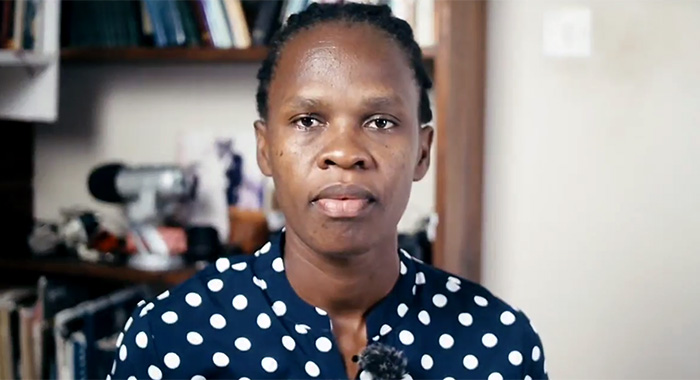
The debate over where responsibility for child development lies—with families or educational institutions—has long persisted among educators and community leaders. While schools can never replicate the foundational role of a family, and teachers should never be forced to stand in for absent parental guidance, building intentional, sustained partnerships between home and school stands as an irreplaceable pillar of positive youth development. This op-ed from experienced school counsellor Ann-Marie Ballantyne makes a compelling case for collaborative engagement, particularly amid rising concerns over youth violence across the Caribbean, including St. Vincent and the Grenadines.
Nearly 200 years ago, 19th century writer Ellen G. White captured a timeless truth about child rearing: that consistent, intentional instruction and guidance at home is the strongest possible preparation for a child’s academic journey. Yet today, far too many parents walk away from their core responsibility to nurture, discipline, and support their growing children. Many refuse to coordinate with school staff to guide their children’s development, only to shift blame to schools, communities, and every other party when their child faces crisis later on.
To ground this discussion, Ballantyne reached out to fellow educators across the region to gather their insights on how parent-teacher partnership shapes student well-being and growth. One educator explained that strong collaborative bonds allow parents and teachers to openly share observations of a child’s strengths, ongoing challenges, and developmental progress, enabling targeted, timely support that addresses issues before they escalate. Another educator highlighted a troubling pattern: many parents actively engage with schools to support their children through primary school CPEA exams, but dramatically pull back from involvement as soon as their children transition to secondary school.
This sharp drop-off in parental engagement during adolescence is particularly damaging, because the teenage years represent one of the most critical developmental stages in a person’s life. Adolescents navigate rapid, overwhelming shifts across every dimension of their lives: physical growth, changing social dynamics, expanding intellectual capacity, and turbulent emotional shifts. To navigate these changes healthily, they need consistent, intentional support from responsible, caring adults in both the home and school setting.
Ongoing collaboration between parents and teachers delivers tangible, far-reaching benefits for both student well-being and academic performance. When children see that both their families and educators are invested in their whole-person success, they gain greater motivation to learn and grow. Shared investment also helps young people build a strong sense of personal responsibility and accountability. Simple, consistent actions from parents go a long way: regularly checking homework, monitoring school attendance and punctuality, attending PTA meetings, maintaining open communication with teaching staff, checking in on a teenager’s overall well-being, and celebrating their effort along the way.
For their part, teachers also bear a responsibility to keep parents actively informed—not only to share concerns about problem behavior, but to highlight student wins and positive growth. When a child feels seen, loved, and supported by both their family and their school community, they are far less likely to turn to harmful behaviors such as bullying, substance misuse, and violent acting out.
Rising school violence has become an urgent public concern across many Caribbean nations in recent years, including St. Vincent and the Grenadines. Problematic youth behavior does not develop overnight: it is often the product of disconnection between families, schools, and young people. Building strong, trusting relationships across these three groups is one of the most powerful tools to address the current surge in youth-related crime.
This perspective aligns with recent research from leading regional academic Professor Donna-Maria Maynard of the University of the West Indies, who has spent years studying adolescent development and the root causes of youth behavior from a psychological framework. As recently as March 2025, Maynard delivered a public lecture at the Cave Hill Faculty of Humanities and Education titled *Rethinking youth violence in the Caribbean: A psychological perspective*, where she outlined her key findings. Maynard confirmed what many on the ground have observed: the Caribbean is currently facing an unprecedented rise in violent crime involving young people. Beyond outlining the root causes of youth violence, she highlighted solutions that center closer examination of core social institutions—including families and schools—and how these structures shape young people’s life trajectories. She also emphasized the critical need for early intervention in school settings, to identify and support at-risk youth before harmful behaviors escalate into crisis.
When parents and teachers work together, with shared commitment to young people’s success, they build a strong foundation that supports healthy child development and paves the way for a safer, more inclusive, civil society. Revisiting Ellen G. White’s long-held observations confirms this core truth: children who develop habits of obedience and self-control at home enter school far better prepared to thrive, avoid many of the common temptations facing young people, and become a positive support to their teachers and peers. For young people who do not receive that consistent foundation at home, White also urged teachers to approach their work with empathy and kindness, noting that gentle, encouraging guidance can be a transformative blessing for vulnerable youth.