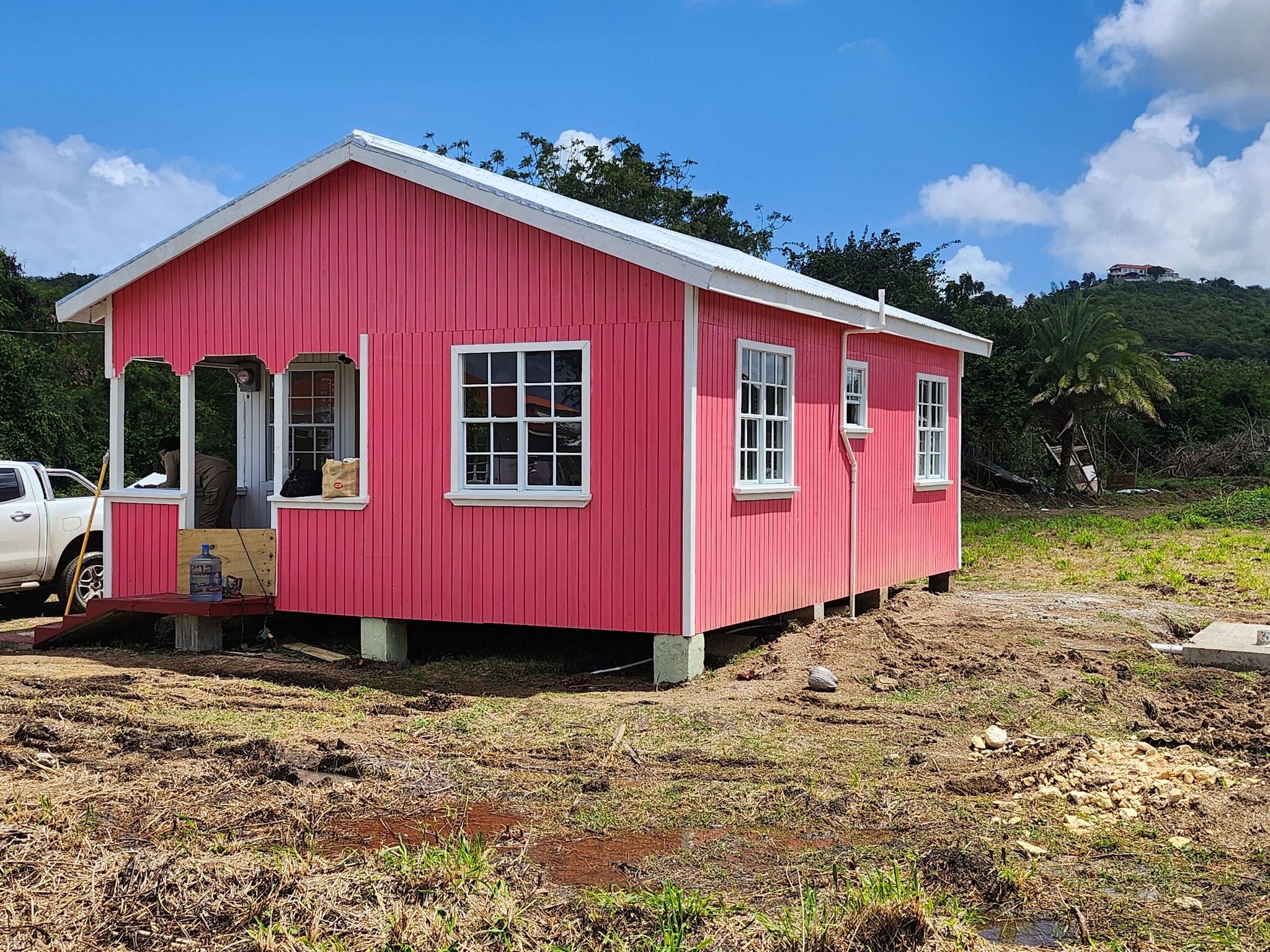
During an official handover event for a completed housing project Thursday, Antigua and Barbuda Prime Minister Gaston Browne unveiled a key policy adjustment to the national government’s flagship Housing Assistance and Poverty Intervention (HAPI) program: starting next year, all free homes constructed for low-income indigent residents will be built with more climate-resilient construction materials.
The announcement was made at the handover ceremony for Pelican Court, a 150-unit two-bedroom housing development located in the country’s Point community. This project was fully funded through a grant from the Chinese government, marking a separate partnership to expand accessible housing for local residents. In his remarks at the ceremony, Browne emphasized that the shift to more durable building materials is designed to boost the long-term quality of housing delivered to Antigua and Barbuda’s most socioeconomically vulnerable populations.
Browne questioned the long-term cost-effectiveness of the traditional wooden construction that has been commonly used for the program’s units, noting that structurally weaker, shorter-lived housing ultimately imposes higher long-term costs for both residents and the government. Moving forward, he said, the HAPI program will center climate resilience in its design standards, prioritizing units that can withstand the increasingly intense and frequent extreme weather events linked to global climate change, a critical priority for small island developing states like Antigua and Barbuda.
Notably, the prime minister did not disclose additional details in his public remarks, including what specific materials will replace wood, how many new HAPI units are scheduled for construction next year, or what additional budget will be allocated to accommodate the material shift. Despite the lack of fine print, Browne framed the policy change as part of the administration’s broader, ongoing commitment to addressing systemic housing insecurity across the country. He pointed to widespread financial barriers that block access to safe, adequate housing: large segments of the population cannot qualify for or afford commercial mortgages, and skyrocketing global construction costs have made privately built homes out of reach for many working households. Without targeted government action, these gaps would leave thousands of residents without stable shelter, he argued.
The HAPI program’s free housing provision for indigent residents is just one pillar of the Antigua and Barbuda government’s multi-tiered housing support strategy, Browne explained. The full framework also includes social housing for low-to-middle income households, subsidized affordable housing, and financial concessions for independent homebuilders, with each tier tailored to meet different levels of housing need and expand overall access to quality, stable accommodation across all income groups.
Beyond housing policy, Browne tied the government’s investments in improved living conditions to the administration’s broader national vision: positioning Antigua and Barbuda as a “lifestyle superpower” where all citizens and residents can access a high quality of life. He argued that the government’s success should not be measured solely by headline economic growth, but by tangible social progress that lifts living standards and improves everyday circumstances for all members of society.