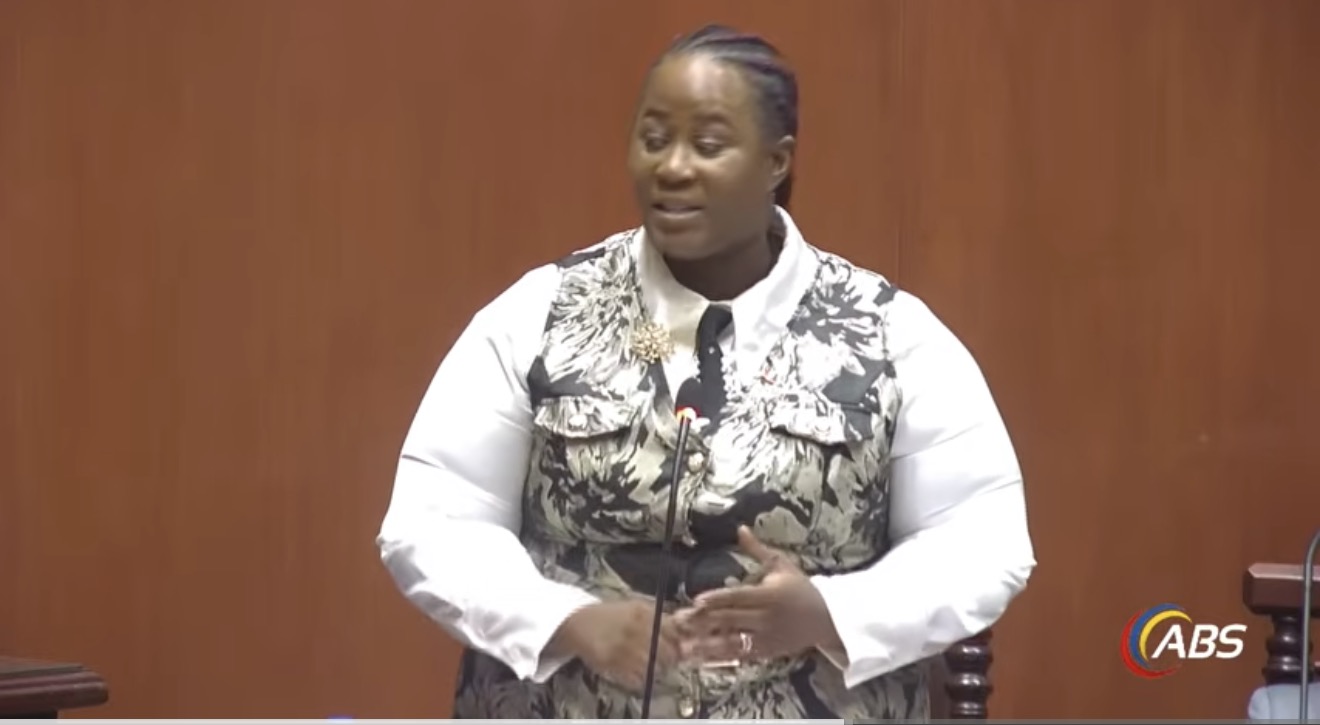
In a powerful, emotion-charged address to the senate, Senator Tiffany Strann-Peters has thrown her full support behind a pivotal provision of the Sexual Offences Amendment Bill that would eliminate all statutory time limits for survivors of sexual abuse to file official complaints. Strann-Peters argued that survivors deserve unfettered access to justice, no matter how many decades have passed since their trauma, insisting that every person should be able to come forward only when they have mustered the courage to confront their experience.
During her remarks, Strann-Peters shone a light on one of the most insidious forms of this violence: intrafamily child sexual abuse, a crime that is frequently concealed by the very people a child trusts most. She called on fellow lawmakers to join her in breaking through the pervasive culture of silence that allows abuse to continue unpunished, emphasizing that modern legislation must remove arbitrary barriers that lock survivors out of the legal system.
Strann-Peters centered her argument around the lived experience of Independent Senator Jamilla Kirwan, who recently shared her own story of childhood sexual exploitation. She noted that Kirwan spent decades building the courage to speak publicly about her abuse, a reality that underscores why eliminating the statute of limitations is so critical. “It’s now that she got the courage to really speak up about such a situation,” Strann-Peters said, confirming that the amendment would guarantee survivors never face a deadline to report the harm they endured.
To further illustrate the entrenched cultural dynamics enabling abuse, Strann-Peters referenced a beloved but devastating 2003 calypso track *Sad Story* from young artist Suki. The song follows a teenager who reveals her stepfather’s sexual abuse to her mother, only to be silenced, and ultimately ends with the teen falling pregnant. Strann-Peters said the narrative reflects a widespread, dangerous pattern across many communities: children are abused by relatives or trusted caregivers, while other family members who suspect or know what is happening choose to stay quiet. She stressed that parents and guardians must act as a lifeline to safety for vulnerable children, never participants in covering up violence.
“Too often in society we see these things and we ignore the signs and turn a blind eye,” she said. “It’s time to take the blinders off and time to take action.”
Strann-Peters backed her call for urgent reform with newly released official data: an August 25 update from the Family and Social Services Division logged 287 confirmed cases of child sexual abuse in 2026 alone, a figure she said lays bare the staggering scale of the crisis. She urged all adults to step into their responsibility to protect children, describing young people not just as the future of the nation, but as its current most vulnerable constituency that demands protection now.
The amendment bill also includes new provisions targeting incest, which Strann-Peters endorsed fully. She argued that sexual violence perpetrated by a family member warrants the highest level of legal scrutiny and punishment, noting that survivors of familial abuse often face unique barriers to disclosure, including deep-seated fear, social shame, and ongoing pressure from relatives to stay silent. That is why many survivors only come forward decades after the abuse occurred, she added.
In the most provocative part of her address, Strann-Peters called for the reinstatement of the death penalty for anyone convicted of raping a child, saying if the decision rested solely with her, she would immediately bring back capital punishment for this crime. She closed her remarks by echoing a statement from U.S. Representative Nancy Mace, who has publicly argued that the death penalty is the appropriate penalty for child rape. Strann-Peters concluded by reaffirming her unwavering support for the full Sexual Offences Amendment Bill as a critical step forward for survivors.