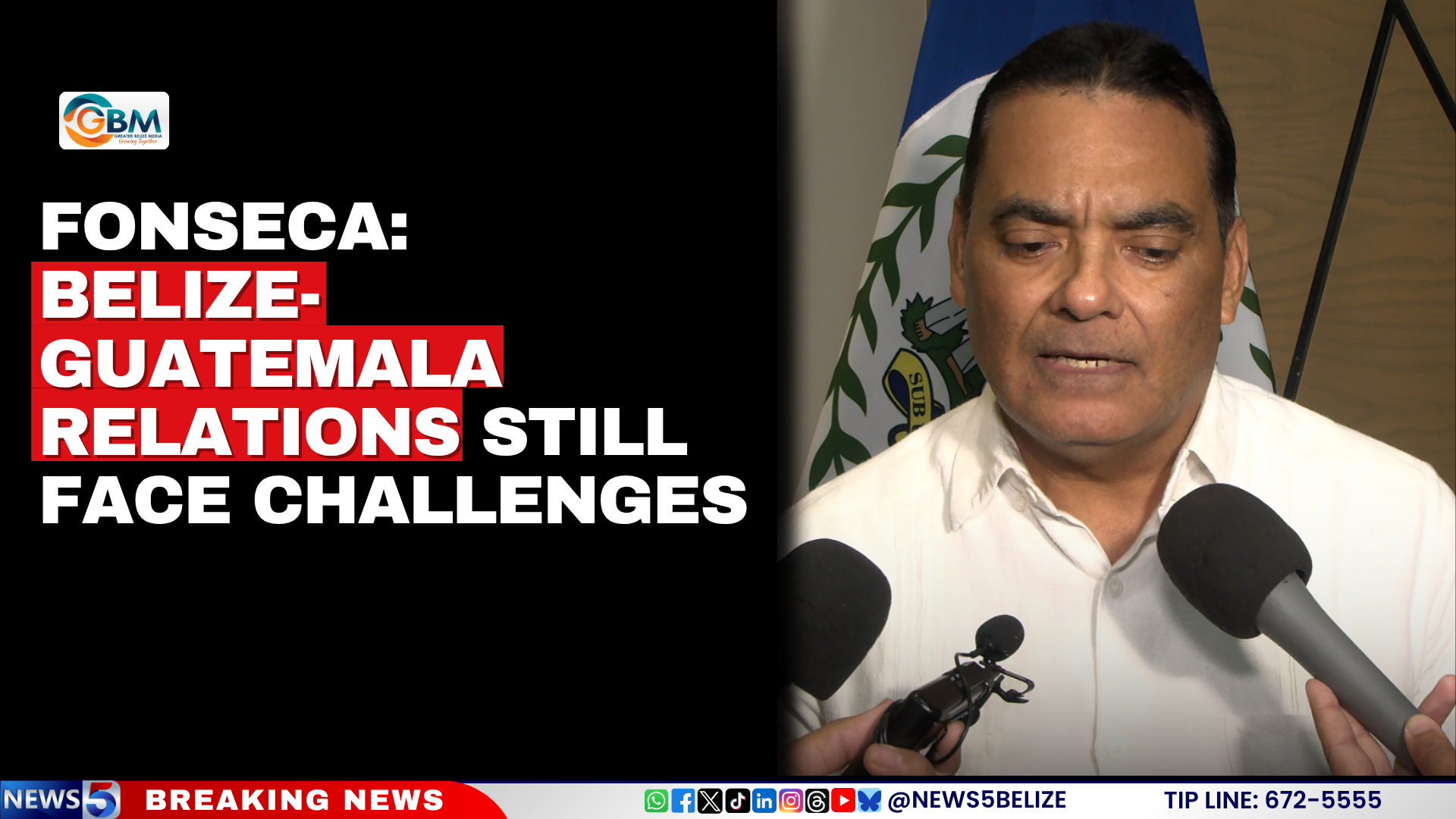
As Central America’s long-running Belize-Guatemala territorial dispute inches toward a landmark international judicial resolution, diplomatic relations remain intact between the two neighbors, but persistent frictions at the military level continue to pose significant challenges, Belize’s top diplomat has confirmed.
Foreign Affairs Minister Francis Fonseca outlined Belize’s position in a recent statement, noting that while high-level communication between the two governments remains constructive, underlying military tensions threaten to escalate disputes in the lead-up to the International Court of Justice (ICJ) oral hearings scheduled for February 2027.
The decades-long territorial dispute between Belize and Guatemala has been a persistent point of contention for both nations, and in a major step toward peaceful resolution, both countries agreed to submit the conflict to the ICJ for a binding ruling. Fonseca emphasized that Belize remains fully committed to this judicial process, which represents the cornerstone of ongoing bilateral dialogue around the dispute.
“For us, the ICJ process is the critical issue at the heart of our bilateral relationship right now,” Fonseca stated. “The court’s scheduling of oral hearings gives both sides a clear timeline to work toward, and we are preparing thoroughly to present our case.”
High-level diplomatic communication remains open and productive, Fonseca confirmed. Regular dialogue is maintained between the two nations’ foreign ministries, and direct talks between Belize Prime Minister John Briceño and Guatemalan President Bernardo Arévalo continue to facilitate constructive engagement. It is at the operational military level, however, where the most serious issues persist.
Fonseca explained that Belize holds ongoing concerns about the actions of Guatemala’s armed forces, which he said have repeatedly failed to adhere to previously agreed confidence-building measures designed to prevent escalations along the disputed border. While unresolved issues on the ground remain a point of contention, Fonseca stressed that Belize’s priority remains securing a final, peaceful and binding resolution through the ICJ process.
“Our goal is to achieve a definitive resolution that establishes clear, legally recognized borders between our two nations,” he said. “Once that is in place, we can move forward as neighbors, working collaboratively to advance the shared interests and well-being of both our peoples.”
As of mid-October 2026, the Belizean government has not yet finalized which officials will travel to The Hague to attend the oral hearings. Fonseca also noted that based on standard ICJ procedure, a final ruling is typically delivered between seven and 10 months after the conclusion of oral arguments, though the exact timeline remains entirely at the discretion of the court.