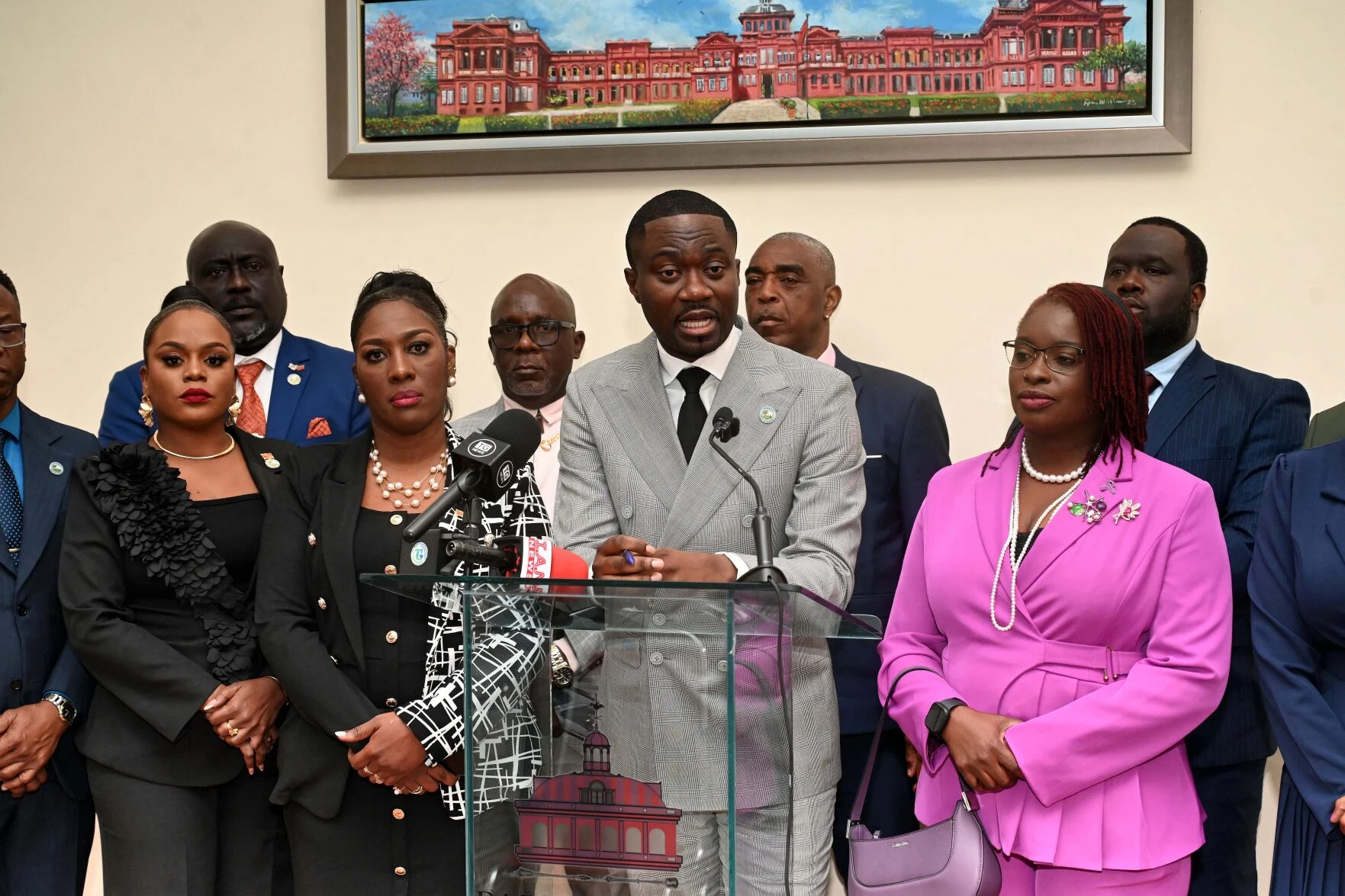
A funding dispute has emerged between Tobago’s regional administration and Trinidad and Tobago’s national government over the proposed 2027 fiscal budget allocation for the island, with Chief Secretary Farley Augustine of the Tobago House of Assembly (THA) saying he is deeply let down by the reduced share of national resources the island is set to receive.
Under the national budget plan released by Finance Minister Davendranath Tancoo, the direct THA allocation for 2027 stands at TT $2.7 billion, down from TT $2.9 billion in the 2026 fiscal cycle. This direct allocation drops Tobago’s share of the overall national budget to 4.35%, a fall from the 5% mark the island secured last year. Tancoo has pushed back on this framing, however, noting that an extra TT $716.5 million in targeted spending across multiple national government departments will go toward Tobago-focused projects and public services. When combined with the direct allocation, this brings the island’s total public resourcing to TT $3.473 billion, which the finance minister says equals 5.48% of the total national budget.
Speaking at a parliamentary press briefing on the day of the budget reading, Augustine argued the cut is especially disappointing given the recent cooperative dynamic between the THA and the central national government. While he acknowledged that the 2027 allocation is not the lowest Tobago has received in its history, he said the regional administration entered the budget process with clear expectations of maintaining the 5% share secured the previous year. “After a high of 5% last year, we were hoping to be at least sustained at that level. It did not happen,” Augustine stated.
The biggest point of concern for Augustine is the sharp drop in capital development funding: Tobago is set to receive just around TT $150 million for development projects in 2027, down from roughly TT $201 million last fiscal year. Augustine stressed that the island needs consistent, increased investment to upgrade crumbling infrastructure and advance long-term growth, and called for a permanent, constitutionally enshrined funding formula to guide future allocations. That formula, he argued, should be rooted in clear demographic and economic metrics, starting with Tobago’s share of the national population, which stands at roughly 5.1%. He also highlighted the significant new oil and gas exploration and expansion activities set to take place in Tobago’s maritime waters, which will generate major new revenue for the entire country and justify a larger allocation for the island.
Despite his broader criticism of the budget, Augustine did offer praise for specific provisions, including the increased grant funding allocated to vulnerable populations, especially senior citizens. To offset the impact of the reduced direct allocation, Augustine said the THA will now be forced to re-evaluate its policy priorities and scale or restructure planned spending to align with the available resources. As a long-term strategy to reduce the island’s reliance on central government funding, the THA will also ramp up efforts to attract new private sector investment. Flagship initiatives include the development of Tobago’s first purpose-built marina, a project designed to boost tourism and stimulate broad-based economic growth across the island.
Augustine confirmed that Tobago’s regional representatives will continue lobbying for a larger, fairer share of national resources, while also advancing the THA’s long-running push for greater constitutional autonomy. A public launch of that autonomy initiative is scheduled for the end of November. The Chief Secretary emphasized that the disagreement over budget allocations will not derail productive dialogue between the THA and the central government, noting that respectful disagreement is a core test of any functional working relationship. “The test of any relationship is the ability to remain respectful when you disagree,” he said.