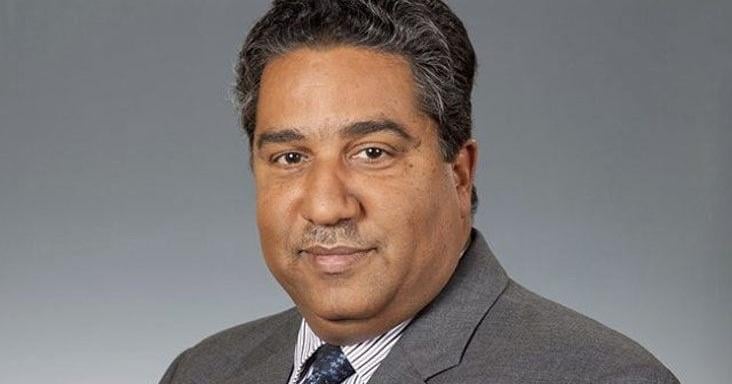
Ahead of Trinidad and Tobago’s October 12 national budget presentation, political analyst Professor Hamid Ghany has offered a nuanced breakdown of Prime Minister Kamla Persad-Bissessar’s recent government restructuring, framing it as a novel approach to executive management that diverges sharply from conventional Cabinet reshuffles.
In an interview with local outlet the Express, Ghany explained that unlike standard reshuffles that move sitting ministers between entire ministry portfolios, Persad-Bissessar’s strategy instead redistributes specific duties, agencies, and operational responsibilities within existing ministerial posts, leaving all incumbents in their substantive leadership roles. This model of internal responsibility shifting rather than personnel replacement is not unprecedented for the current Prime Minister, Ghany noted: she deployed the same tactical approach to government restructuring one year prior.
The retention of all sitting ministers in their core posts carries a clear symbolic message, Ghany argued: it signals that Persad-Bissessar retains full confidence in her entire Cabinet team, as no minister has been removed or demoted from their primary position. Only the scope of work assigned to each portfolio has been adjusted.
The timing of this realignment is far from coincidental, according to Ghany, with the budget debate just weeks away. The newly reallocated responsibilities will immediately shape parliamentary proceedings when the Standing Finance Committee opens review of the government’s proposed expenditure. During the five-day committee hearings, each minister will appear alongside senior technical advisors to respond to Opposition questions about budget allocations tied to their updated portfolio of duties. This process requires ministers to publicly account for their new responsibilities before formally taking on the work, establishing transparency ahead of implementation.
Following the conclusion of the hearings, ministers will officially take on their adjusted duties, and many are now awaiting the budget announcement to learn what level of funding will accompany their expanded or refocused roles.
Beyond budget processes, Ghany added that the realignment will also reshape day-to-day parliamentary operations, particularly the protocol for filing and responding to parliamentary questions. All elected and nominated parliamentarians will need to update their understanding of responsibility mapping, ensuring that queries about government functions are directed to the correct minister now holding the relevant portfolio.
Across all these impacts, Ghany emphasized that the restructuring should be clearly categorized separately from the conventional Cabinet reshuffle models that most political discourse references.