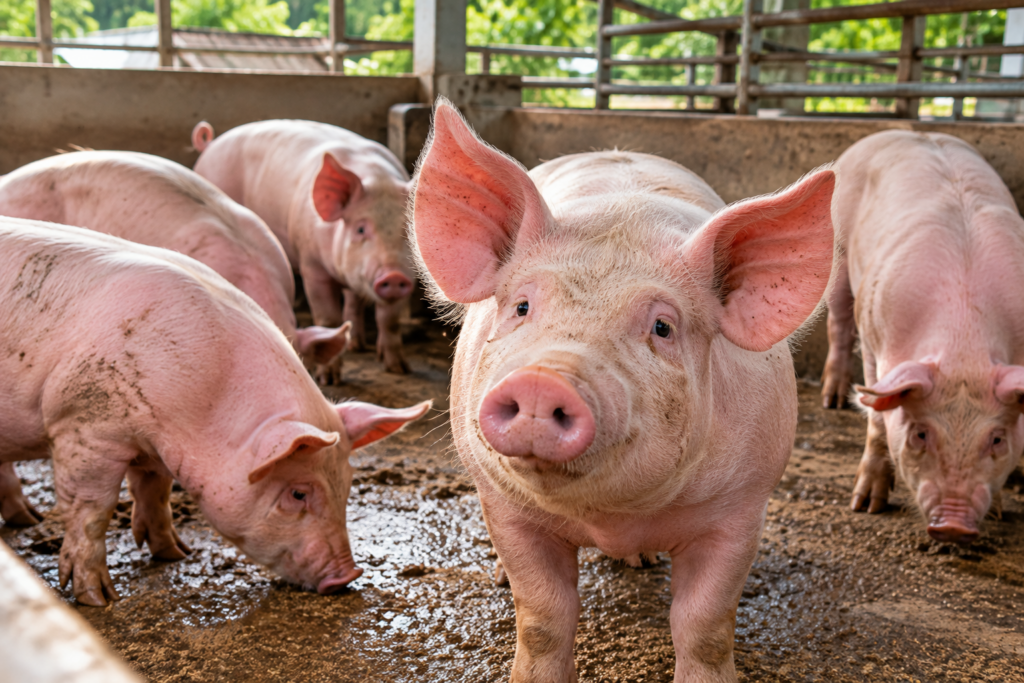
Newly released consumer price data for September 2026 reveals a striking split in pork price dynamics in Antigua and Barbuda, bringing both lingering annual relief and unexpected near-term sticker shock for local consumers. The National Bureau of Statistics’ latest Consumer Price Index (CPI) report shows that while pork costs remain far below 2025 levels, the island nation saw a dramatic month-over-month price surge through September. Year-over-year, the pork price index logged a 15.8% drop compared to September 2025, marking the steepest decline across the entire meat and meat products category.
This annual downward trend does not tell the full story, however. Between August and September 2026, pork prices jumped 7.8%, erasing a significant portion of the savings consumers had seen in previous months. The broader meat category mirrored this split, albeit with less volatility: overall meat prices sat 3.8% lower than a year prior, but climbed 2.8% month-over-month in September.
Breaking down other popular meat categories reveals near-uniform alignment with this divergent trend. Beef and veal prices fell 3.4% annually but rose 3% from August levels. Poultry, which posted a 1.3% year-over-year decline, saw a 2.2% monthly uptick. Even delicatessen and processed meat products, which are 4.3% cheaper than they were 12 months ago, added 2.5% in price between August and September. The only outlier across the meat sector is lamb, mutton and goat: this category has already seen an 18.7% year-over-year price jump, and grew another 1.3% in September, extending its consistent upward trajectory.
Amid these shifting meat prices, overall food costs continue to buffer Antigua and Barbuda’s broader cost-of-living crisis, according to the report. The standalone Food Index dropped 1.5% year-over-year and fell an additional 1.6% in September, while the combined Food and Non-Alcoholic Beverages Index notched a 1% annual decline and a 1.1% monthly drop. Two categories in particular drove the overall food price decrease: vegetable prices are down 10.4% annually, and fell another 4.5% in September, while fish and seafood saw a sharp 13.8% monthly price drop to add to annual declines.
This cooling in food inflation stands in stark contrast to broad inflationary pressures across the rest of Antigua and Barbuda’s economy. The overall national CPI rose 7% over the 12 months ending in September 2026, with non-food categories driving nearly all of that growth. Key contributors to the overall inflation surge include rising housing, transportation, and communication costs, which continue to put financial strain on households even as food costs edge lower.