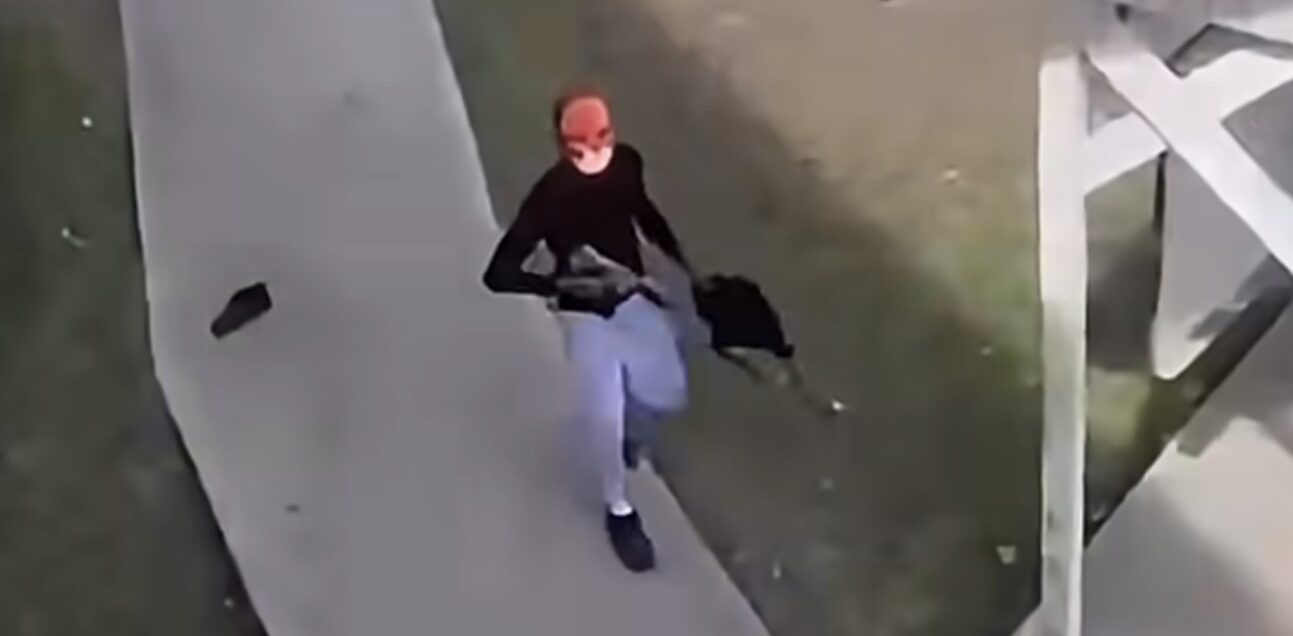
A controversial unauthorized active threat lockdown drill at Antigua’s Jennings Secondary School has sparked widespread public debate, with a clear majority of public commenters throwing their support behind the school’s proactive approach to student safety, even as the nation’s Ministry of Education has disavowed the unapproved exercise.
When footage of the realistic drill first circulated online, it triggered immediate alarm among community members who feared an active security incident was unfolding at the campus. But as context of the simulation spread, hundreds of public responses to local outlet Antigua News Room’s reporting tilted heavily toward defending the school’s choice to run the preparedness exercise, with pro-drill comments earning far more engagement than critical takes.
Suppoters of the drill framed the decision as a necessary response to rising unrest and youth violence across Antigua and Barbuda, arguing that real emergencies never arrive with official pre-approval. Keturah EL Roi Tannis summed up this perspective in a top-commented post that garnered 40 likes, writing “AKA with all the chaos with youths in Antigua, Jennings school is Proactive.”
Shawnor Charles, whose comment earned 28 likes, echoed that sentiment, pushing back against the Ministry of Education’s rebuke: “Education ministry needs to be grateful that some thought the way he should be thinking. The real thing ain’t authorized neither. Preparedness is what matters.” Other proponents noted that unscripted, realistic drills are the only way to generate accurate data on how staff and students will respond under pressure. Theron Floyd, whose comment received 17 likes, argued “That’s what its about. That’s a real test, only how you get real answers.”
Some commenters went even further, praising the drill as an innovative example that all local schools should follow. Alfa Omega called the exercise a “brilliant idea,” quipping that “The ministry vex because they couldn’t come up with such a brilliant idea! These are some things that should be taught in school. Endorsed!” Sonia George echoed that label, noting that recent high-profile safety events have made constant vigilance a necessity for students, teachers and caregivers alike. Multiple commenters also directed scrutiny toward the Ministry of Education, questioning how much formal emergency preparedness training the agency actually provides to schools across the country. Saran Purcell-Douglas, whose comment referenced active shooter response, bomb threat protocols and situational awareness, asked when the ministry last organized a similar drill for staff and students, earning 24 likes for the question.
While broad public support for the drill’s core goal of student preparedness is clear, the exercise has not avoided all criticism. The most common critique from even moderate supporters is that the school failed to notify parents of the drill in advance, and the extreme realism of the simulation caused avoidable fear and panic. One parent, Latoya Joseph Pelle, acknowledged understanding the school’s intent but noted “Video nearly kill me. Only thing I wanted was a heads up.. that’s it.”
A smaller share of commenters voiced outright opposition to the unapproved drill. Alexia Jones dismissed the exercise as “Utter NONSENSE,” questioning what educational value students could gain from being thrown into unannounced chaos. Blondell Deazle shared that the out-of-context footage left her terrified for her grandson who attends the school, warning that panicked family members could have rushed to the campus thinking a real attack was underway. A small number of commenters, including Chauncey Alfred, called for disciplinary action against the school’s principal, while others echoed the ministry’s position that drills of this nature require official pre-approval.
After the controversy erupted, Principal Rody Christopher released a public letter to parents confirming the event was a drill designed to teach students how to stay safe in the event of an intruder on campus. He acknowledged that the exercise had led to confusion and misunderstanding for some community members, emphasizing “Please be assured that all is well and we have the best interest of your child / ward in mind.”
The Ministry of Education, Science and Technology quickly issued a public statement clarifying that no actual armed incident had occurred at Jennings Secondary or any other school in Antigua and Barbuda, and formally distanced itself from the unauthorized exercise. “The Ministry wishes to make clear that this exercise was not authorized. It was planned and carried out without the knowledge or permission of the Ministry of Education, Science and Technology,” the agency said.
While ministry officials confirmed they view emergency preparedness drills as a critical component of school safety, they noted that all such exercises require prior official approval, clear proactive communication with stakeholders, and careful coordination to avoid unnecessary distress and misunderstanding. “Neither was in place on this occasion,” the statement said. The ministry also issued a formal apology for the “alarm and panic” experienced by students, parents and community members who did not initially recognize the event was a simulation.
Despite the official rebuke from the education ministry, public reaction to the drill reveals a broader consensus that prioritizes student safety preparedness amid growing concerns about youth violence and crime across Antigua and Barbuda. The core division emerging from the public debate is not over whether schools should prepare students for violent security threats, but rather over how these exercises should be structured, which stakeholders must be notified in advance, and how much realism is appropriate for campus preparedness training.