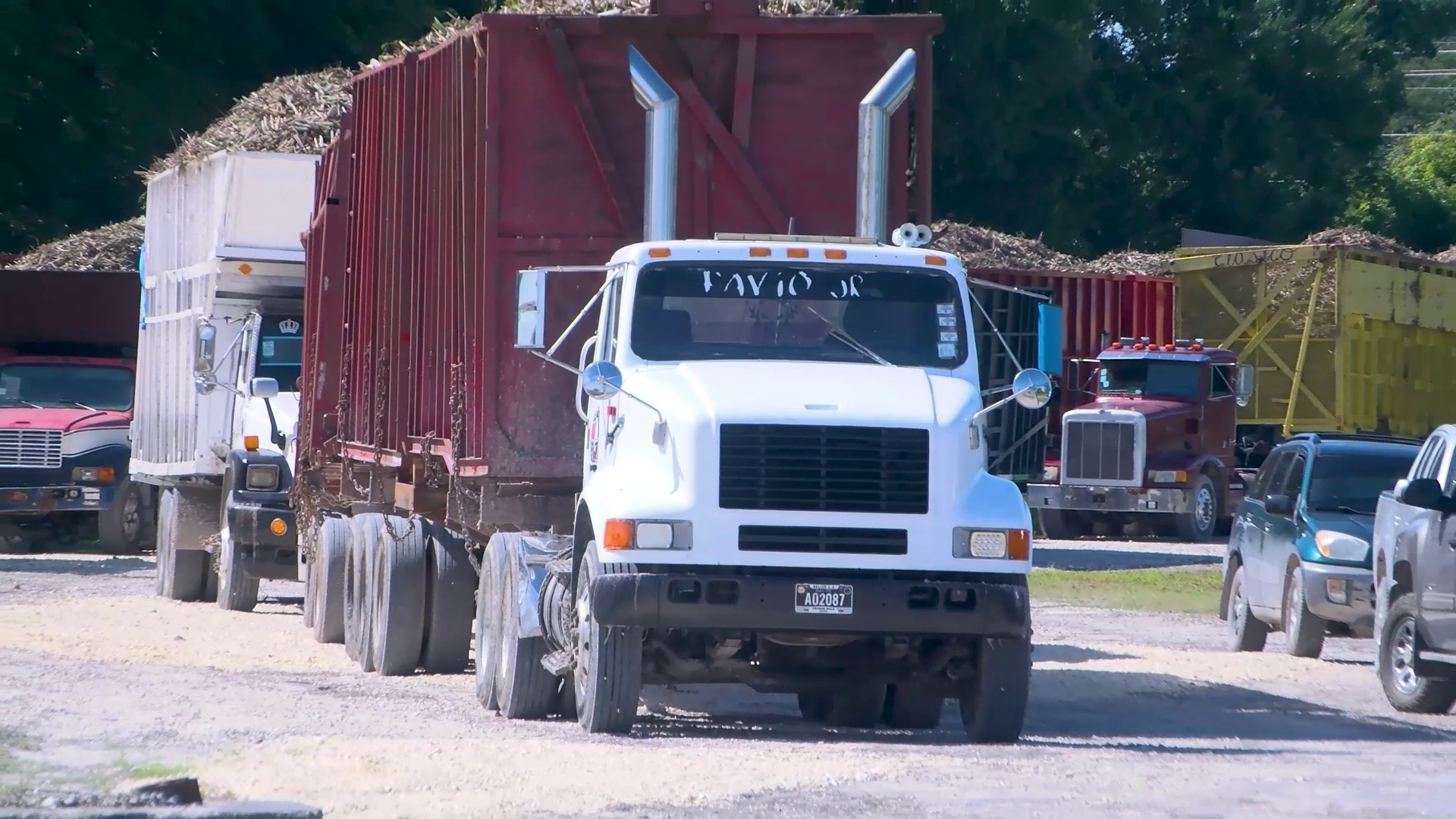
Belize’s sugar sector is navigating yet another season of hardship as thousands of cane growers wait for their final harvest payouts, with Prime Minister John Briceño identifying climate instability and invasive pest infestations as the primary threats undermining production and profitability.
In comments delivered this week, Briceño laid out the stacked challenges facing the industry, noting that successive growing seasons have been marred by environmental and biological shocks: Fusarium wilt devastated crops in 2025, while this year the small but destructive mealybug has further cut yields and squeezed farm incomes.
As a temporary support measure and long-term solution framework, the government has rolled out a $50 million initiative through its Five Cs program, designed to partner directly with smallholder and commercial cane farmers to mitigate climate and pest risks. Briceño emphasized that while global commodity pricing for raw sugar is out of the government and local producers’ control, a strategic shift toward regional markets and domestic refining can fundamentally improve margins across the supply chain.
A key piece of that new strategy is the nearing completion of a new sugar refinery being developed by Santander, Briceño confirmed. Construction of the facility is already substantially complete, with inauguration planned for either late October 2026 or early November 2026, a milestone the prime minister called impressive given the project’s scope. Talks with refinery developers and the Belize Sugar Industries (BSI) confirm that the new facility will have the capacity to process all of Belize’s current sugar output domestically. By shifting from exporting low-margin raw sugar to selling fully refined sugar primarily to the CARICOM regional market, both the private sugar operators and individual cane farmers stand to earn far higher returns per ton than they would selling into the volatile global market, Briceño explained.
The address comes as farmers wait anxiously to receive what many industry insiders suggest will be reduced final payments for 2026’s harvest, a reflection of the sector’s current strain. The prime minister’s remarks frame the shift to regional refined sugar sales as the most viable near-term path to stabilizing Belize’s iconic agricultural industry.