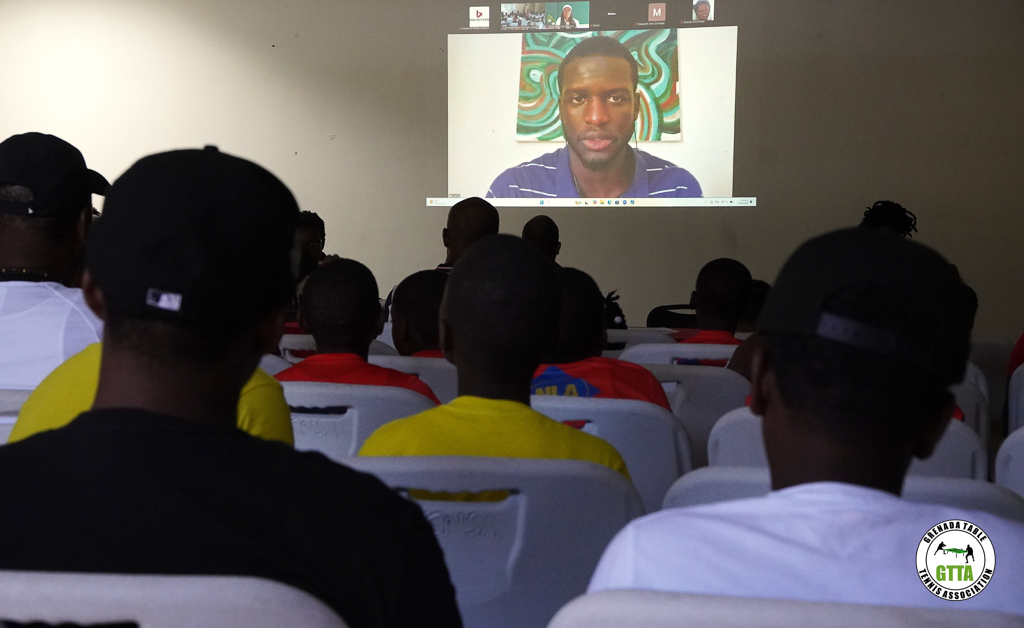
The Grenada Table Tennis Association’s newly sworn-in executive has opened a new chapter for the sport on the Caribbean island with its first major initiative: a cross-stakeholder Players’ Engagement Forum that united every corner of the local table tennis community. Bringing together current and emerging players, coaching staff, player families, volunteer contributors, match officials and association administrators alongside top leaders from Grenada’s national sporting ecosystem, the event centered open dialogue on three critical pillars: long-term athlete development, transparent governance, and the future trajectory of table tennis across the country.
Designed from the ground up to center player needs, the forum worked to reinforce young athletes’ commitment to the sport, laid out the full range of development support available through the Grenada Olympic Committee (GOC) and its Athletes’ Commission, and clarified core principles around athlete rights and responsibilities. Attendees also received a dedicated educational presentation from the Grenada National Anti-Doping Organisation (NADO), covering clean sport protocols and compliance standards for competing athletes.
A lineup of high-profile speakers brought diverse insight to the gathering. GTTA President Anthony Benjamin kicked off discussions, followed by GOC President Bernard Wilson. Special guest Sir Kirani James, the globally celebrated Olympic and world 400-meter champion, shared his experience as a elite Grenadian athlete, while Hazel-Ann Regis Buckels — an Olympian and chair of the Grenada Athletes’ Commission — delivered remarks to attendees remotely.
In his address, Wilson emphasized the importance of balancing athletic ambition with academic growth, urging aspiring table tennis players to master both the physical technique and strategic nuance of the sport. He also reminded stakeholders of the critical roles coach training, organizational capacity building, ethical governance and long-term strategic planning play in elevating local table tennis, and encouraged athletes to take full advantage of existing training, scholarship and development opportunities.
Benjamin, who leads GTTA’s all-volunteer executive, reaffirmed the body’s commitment to building pathways for young Grenadian players to train, compete and represent their nation at regional and international tournaments. He called for stronger cross-community partnerships, consistent player discipline, targeted fundraising efforts, structured competition planning and ongoing buy-in from all stakeholders to advance the sport’s goals.
The Grenada Athletes’ Commission used the forum to outline its core function: as an elected, independent bridge between competing athletes and national sporting governing bodies. Commission representatives detailed key athlete rights, including guarantees of fair treatment, health and safety, formal representation in governance decisions, and due process for concerns raised. They also outlined corresponding responsibilities: competing drug-free, respecting opponents, officials and fans, abiding by international and national sport rules, and escalating issues through official, recognized channels. Players were encouraged to see themselves as active stakeholders and public ambassadors for table tennis in Grenada.
Looking ahead, GTTA has laid out clear strategic priorities for the next five years: expanding regular engagement with all stakeholders, boosting targeted development programming for both athletes and coaches, strengthening institutional governance practices, growing corporate sponsorship revenue, and increasing participation opportunities for both junior and senior players at elite regional and international competitions. The closing of the forum invited athletes and coaches to leverage existing resources within the Olympic movement, the GTTA executive and the Athletes’ Commission as formal channels for development, feedback and collaborative problem-solving moving forward.
This report was contributed by GTTA. NOW Grenada does not take responsibility for the opinions, statements or third-party media content included in this contributor submission. Users may click the platform’s designated reporting link to flag abusive content.