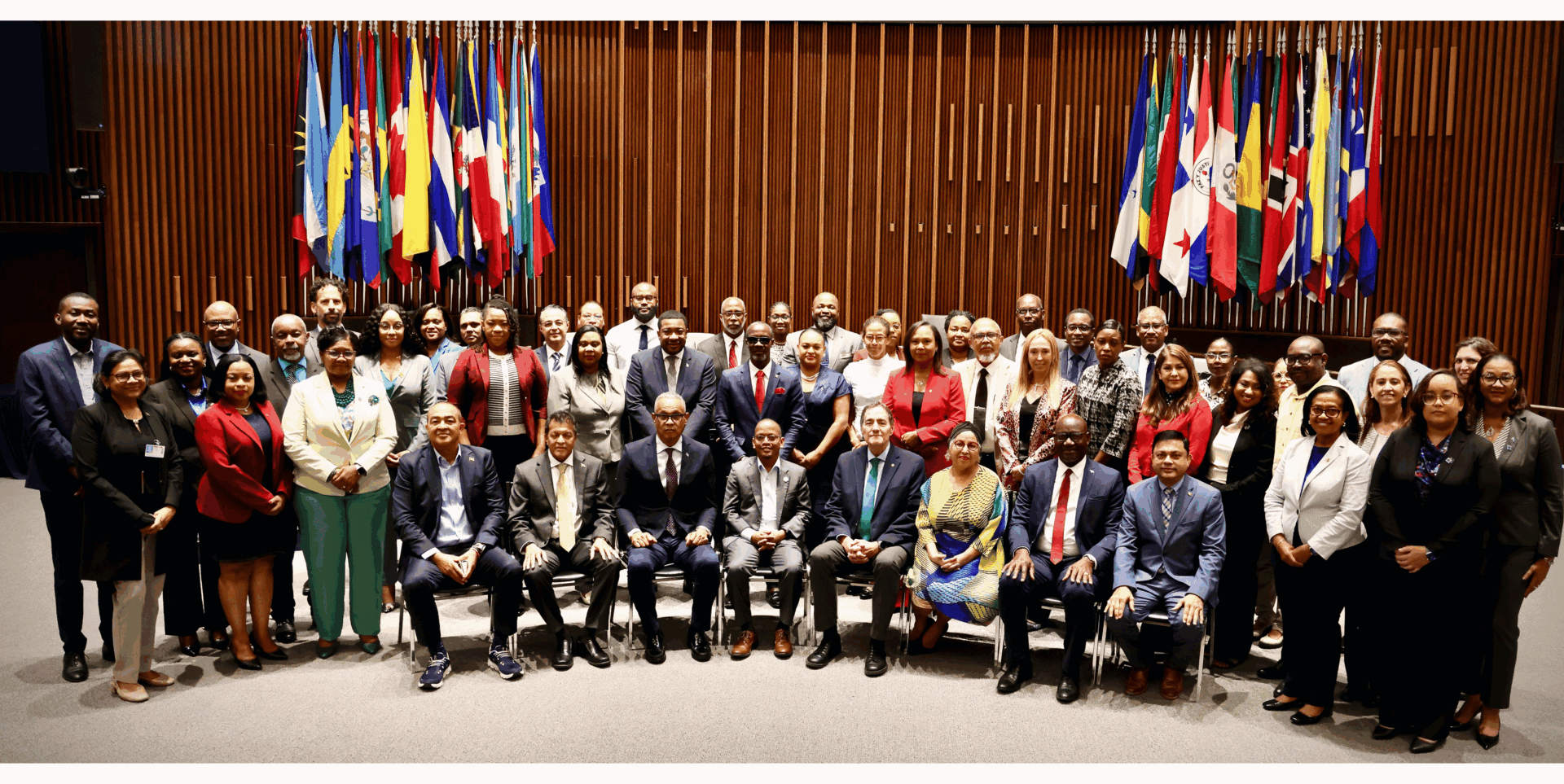
Against a backdrop of growing global focus on building more resilient and connected public health infrastructure, the Caribbean Community (CARICOM) has taken a major step forward to advance a unified regional digital health agenda, backed by three of the hemisphere’s leading development and public health institutions. The landmark commitment was formalized during the 53rd meeting of the CARICOM Council for Human and Social Development (COHSOD) focused on health, held in Washington D.C. on September 25 and 26, 2026. This year’s gathering convened under the overarching theme “Transforming Caribbean Health: Resilience, Innovation and Regional Action.”
Per an official statement released by CARICOM following the meeting, regional health ministers reaffirmed the mandate issued by CARICOM Heads of Government to develop a comprehensive CARICOM Digital Health Strategy. Attendees reached a consensus that the initiative will be guided by CARICOM leadership, with ownership and direction shaped directly by the bloc’s member states to ensure it aligns with local public health needs.
The upcoming strategy is designed to leverage existing national and regional health systems, established policy frameworks, and past investments in health infrastructure. It will deploy cutting-edge digital tools to address a wide range of health priorities, from improving the speed and quality of general healthcare delivery and expanding access to robust primary care, to streamlining health workforce administration, strengthening real-time public health disease surveillance, modernizing civil registration systems, optimizing health financing mechanisms, and enabling data-driven, evidence-based policy decision-making across the region.
Beyond the digital health agenda, meeting participants also explored actionable pathways to accelerate progress toward universal health coverage, strengthen long-term sustainable health financing models, and deepen cross-border collaborative efforts among CARICOM member states. Three institutions—the World Bank, the Pan American Health Organization (PAHO), and the University of the West Indies Health Economics Unit (UWI-HEU)—have each pledged new resources and technical support to advance these shared goals, joining the Inter-American Development Bank (IDB) in backing the CARICOM initiative.
Organizational leadership for the two-day gathering was split between two senior regional health officials: Belize’s Minister of Health and Wellness Kevin Bernard served as acting chair for the opening day of deliberations, while Guyana’s Minister of Health Dr. Frank Anthony, the current permanent chair of COHSOD, presided over the second day of sessions.
The meeting brought together a broad cross-section of health stakeholders from across the Caribbean and beyond. In addition to CARICOM’s national health ministers, permanent secretaries, chief medical officers and senior national health officials, the gathering included representatives from the Caribbean Public Health Agency (CARPHA), the University of the West Indies, the Healthy Caribbean Coalition (HCC), the Global Fund, and the joint PAHO/World Health Organization delegation.
In comments following the discussions, Alison Drayton, Assistant Secretary-General for Human and Social Development at CARICOM, emphasized the critical role of digital innovation in advancing regional health goals. Drayton noted that integrated digital health systems are indispensable to enabling uninterrupted continuity of care for patients across borders, strengthening early disease outbreak detection and surveillance, and facilitating the secure exchange of standardized health information between member states.
Overall, the deliberations at the 53rd COHSOD Health meeting laid out a coordinated regional approach to transforming Caribbean health systems, with the shared goal of building infrastructure that is more connected, disaster-resilient, equitable in access, and financially sustainable for current and future generations.