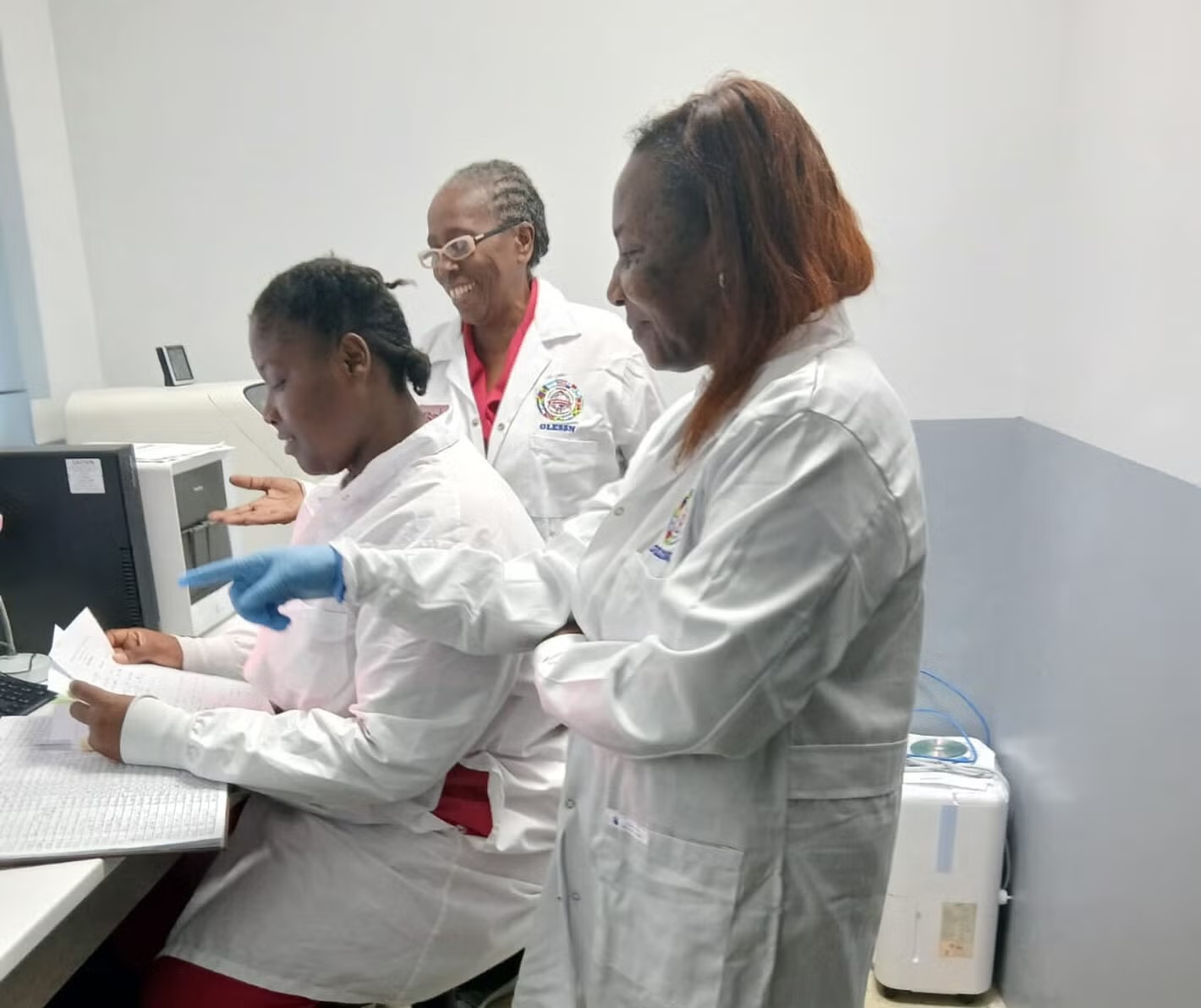
Grenada has taken a critical step forward in upgrading the performance and dependability of its national public health laboratory services, following a comprehensive three-day technical evaluation carried out at the General Hospital’s Pathology Laboratory. Conducted between September 14 and 16, 2026, the assessment was led by quality assurance specialists from the Global Laboratory and Epidemiology Systems Strengthening Network (GLESSN), with financial and logistical backing from the Pan American Health Organisation/World Health Organisation (PAHO/WHO) through the regional Pandemic Fund project for Eastern Caribbean nations.
The evaluation focused specifically on the laboratory’s existing quality management frameworks and operational processes that underpin diagnostic testing for high-priority infectious diseases that carry major public health risks, including influenza, dengue fever, and a range of antibiotic-resistant and other clinically significant bacterial infections. Over the three-day review, the expert team carried out on-site observations of daily laboratory workflows, conducted one-on-one and group interviews with technical and administrative staff, and completed a thorough audit of the facility’s standard operating procedures, quality control records, and compliance documentation.
All insights gathered during the assessment will be used to map out priority areas for targeted improvement, and to guide the laboratory’s ongoing work to refine its quality management system as it works toward full international accreditation. Robust, well-designed laboratory quality systems are a foundational pillar of effective public health infrastructure: they guarantee that patient test results are accurate, consistent, and delivered in a timely manner, giving clinicians the critical information they need to make evidence-based care decisions, and enabling health authorities to detect and respond to emerging public health threats at the earliest possible stage.
The assessment mission wrapped up with a closing debriefing session that brought together key stakeholders from across Grenada’s health sector, including representatives from the Ministry of Health, General Hospital executive leadership, the Pathology Laboratory’s senior management team, and PAHO/WHO technical advisers. Attendees emphasized that cross-system collaboration is non-negotiable for meaningful progress, noting that achieving full laboratory accreditation demands sustained commitment and coordinated investment from every level of the national health system, not just the laboratory team itself.
While the path to full accreditation will require additional targeted work and sustained investment, the assessment has established a clear, evidence-based foundation to identify operational gaps, rank improvement priorities, and develop actionable strategies that will boost both the quality and long-term sustainability of Grenada’s core laboratory services.
Dr. Eva Jané Llopis, PAHO/WHO Representative for Barbados and the Eastern Caribbean Countries, reaffirmed the organization’s long-term commitment to supporting Grenada through every stage of this improvement process. “As the Pandemic Fund project moves into its next implementation phase, PAHO will continue to deliver ongoing technical mentorship and hands-on practical support to the team,” Dr. Jané Llopis shared. “This ensures that investments in new equipment, testing reagents, and staff training are anchored by robust, sustainable quality management systems that deliver long-term benefits to the population.”
This assessment is just one component of a much broader regional initiative under the Pandemic Fund, which aims to strengthen core laboratory systems and diagnostic capacity across Grenada and all participating Eastern Caribbean countries, boosting collective ability to prevent, detect, and rapidly respond to emerging infectious disease threats that can spread across national borders.
This content is provided by PAHO/WHO, with NOW Grenada noting it does not take responsibility for opinions, statements, or third-party media included in contributor-submitted content.