Rumors of a sudden, forced departure for former Barbados Agricultural Society (BAS) chief executive James Paul have been emphatically rejected by top leaders of the 181-year-old organization, who have clarified that Paul’s exit aligns with long-planned leadership transition and organizational restructuring efforts.
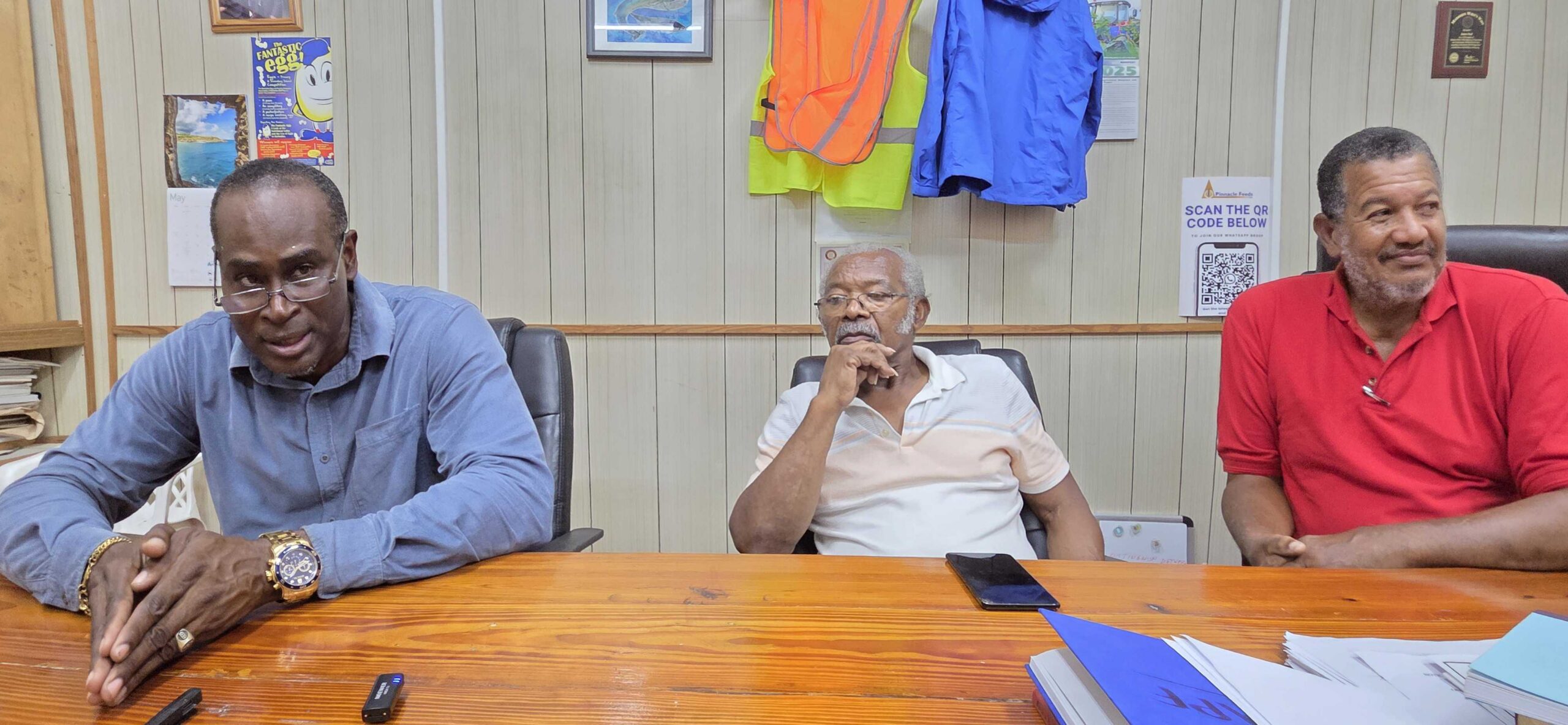
Amid growing public speculation about the circumstances of Paul’s exit, BAS President Henderson Williams and board member McDonald Stevenson have pushed back against claims that the 70-something former CEO was fired abruptly or intentionally barred from a recent sectoral membership meeting. Speaking on behalf of the society’s 12-member governing board, Stevenson confirmed that the leadership transition process had been in development for an extended period, noting that Paul had reached standard retirement age and the board was implementing structural adjustments to strengthen the institution for the future.
“This was never a case of dismissing Mr. Paul – it was simply a matter of him reaching the pre-established retirement age for the role,” Stevenson explained. He added that board leaders held multiple discussions with Paul throughout the year, giving him months of advance notice of his planned exit and even offering him a consultancy position to support a smooth handover of responsibilities during the transition. According to Stevenson, Paul never raised objections to the plan during these negotiations and was fully aware of his official retirement date long before it took effect.
Williams reinforced the board’s position, emphasizing that the transition was a collective, board-level decision – not a unilateral personal move – designed to secure the long-term viability of Barbados’ oldest non-governmental organization. “The organization cannot stagnate while the board stands by and does nothing to revitalize it,” Williams said. “I have no issue with senior leaders in their 70s continuing to work, but at the end of the day, we have a responsibility to ensure this institution remains fit to serve its purpose for the farming community.”
Williams also addressed the most high-profile rumor fueling public speculation: claims that Paul was deliberately locked out of a recent pig farmers association meeting held under the BAS umbrella. The BAS president clarified that attendance at the meeting was strictly limited to registered commodity group members, a standard rule that applied to all non-members, including Paul. As a non-registered pig farmer, Paul was not eligible to attend, Williams explained, adding that it is longstanding protocol for the BAS chief executive to maintain independence from individual commodity groups to ensure they remain impartial to all sectors of the farming community.
Williams added that the strict attendance rule was also implemented in response to unusual circumstances surrounding the meeting: organizers received multiple warnings of a coordinated effort to oust the current pig farmers association president, with unusually high registrations from external stakeholders. “We got repeated calls about a large-scale canvassing effort underway, involving people who should have remained independent,” Williams said. “Amid all that uncertainty, we decided the best way to protect the integrity of the meeting and the participants was to bar non-member attendance.”
Stevenson urged the public and Barbados’ farming community to remember that the BAS is governed by a collective board of management, not controlled by any single individual.
Founded by an Act of Parliament in 1845 – just seven years after the abolition of slavery in Barbados, as thousands of newly emancipated people joined the island’s society and economy as wage laborers and smallholder farmers – the BAS has evolved dramatically over its nearly two centuries of operation. Originally created to represent the interests of white planter former enslavers, the organization has transformed into an umbrella non-governmental body supporting all Barbadian farmers, commodity groups and rural producers. Its core mandates include advancing agricultural diversification beyond the historic sugar industry, supporting farmers with marketing access, strengthening national food security, and organizing the annual flagship Agrofest agricultural exhibition. Much of the organization’s modern transformation starting in the late 1970s has been attributed to former long-time general manager Haynesley Benn and his successor James Paul.