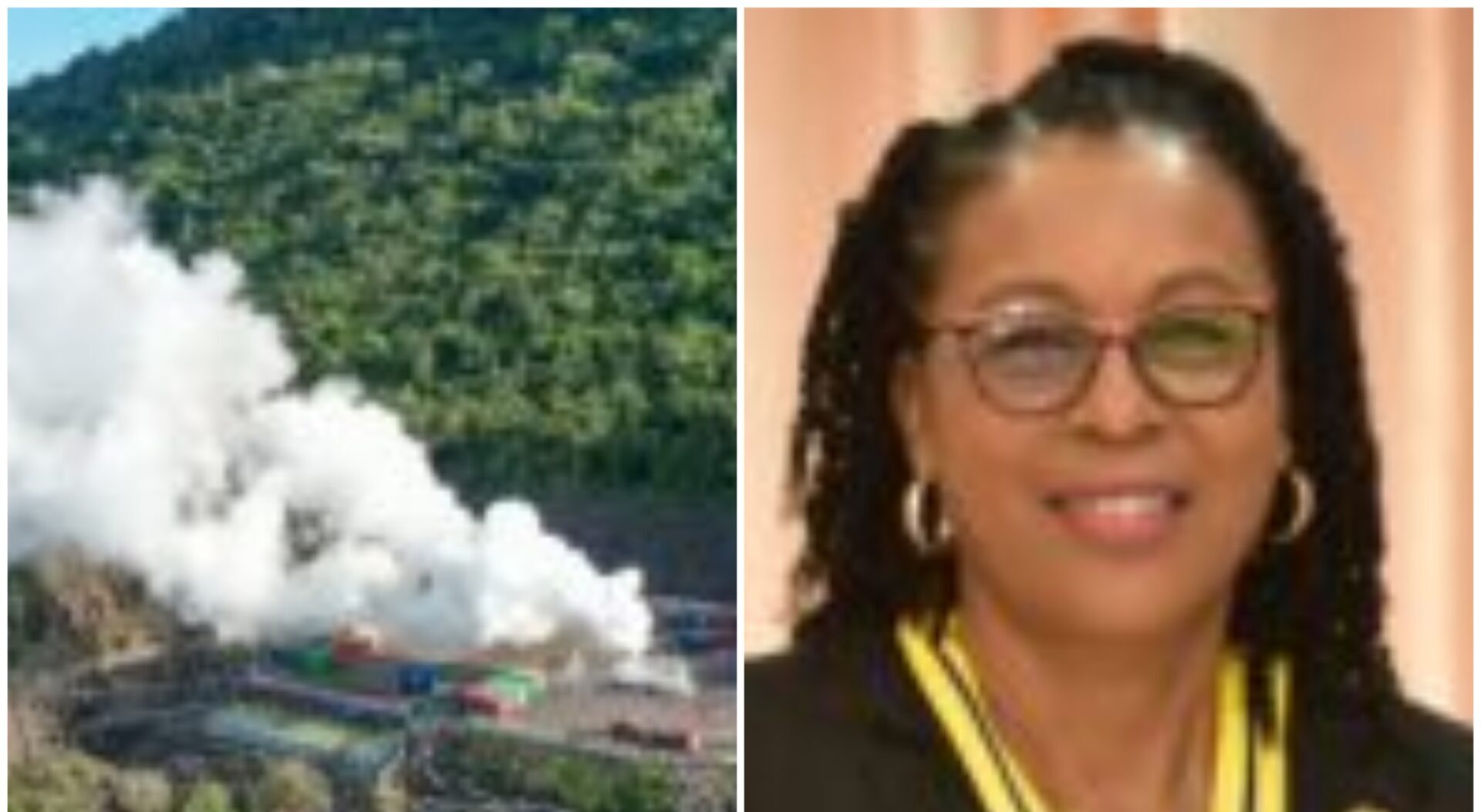
Addressing the 79th United Nations General Assembly, Dominican President Her Excellency Sylvanie Burton has announced a landmark milestone for the Caribbean island nation’s clean energy transition: its long-planned geothermal power facility has officially entered commercial operation.
The launch of the geothermal plant represents a transformative shift for Dominica’s energy sector, Burton explained. Prior to the project coming online, the country relied heavily on costly imported fossil fuels to meet a large share of its electricity demand. With the geothermal facility now fully operational, renewables account for roughly 84 percent of the country’s total electricity generation, putting Dominica firmly on track to meet its self-declared goal of achieving 100 percent renewable energy for all electricity production by 2030.
Burton emphasized that the benefits of the geothermal project extend far beyond cutting carbon emissions. By reducing the country’s dependence on imported crude oil and refined petroleum products, Dominica is shielding its economy from volatile global energy price swings that have strained government budgets and household finances in many small developing nations in recent years. Beyond energy security, the project is already catalyzing new economic opportunities: creating local jobs, attracting green investment, and laying the groundwork for the emergence of new climate-focused industries across the island.
“Our ambition is not merely to generate clean electricity. Our ambition is to use clean energy to transform our economy,” Burton told the assembled global leaders in her address.
The Dominican president used her platform at the UN to issue a call to action for the international community, urging wealthier nations and multilateral development bodies to expand accessible financing and equitable partnership opportunities for climate-vulnerable small island developing states. Many of these nations face disproportionate climate risk despite contributing very little to global greenhouse gas emissions, and often lack the upfront capital needed to scale high-impact renewable energy projects.
Burton pushed back against the narrative that small states cannot lead global climate action, noting that when provided with the necessary investment support, small nations can deliver ambitious, industry-leading progress on the clean energy transition while turning climate action into inclusive, sustainable economic growth.
All emissions reduction targets and progress figures included in this report are drawn directly from Burton’s official address to the United Nations General Assembly.