In a move designed to modernize and streamline migration governance across the Dominican Republic, two leading state migration agencies have sealed a landmark agreement to deepen collaborative work through the launch of a permanent technical committee.
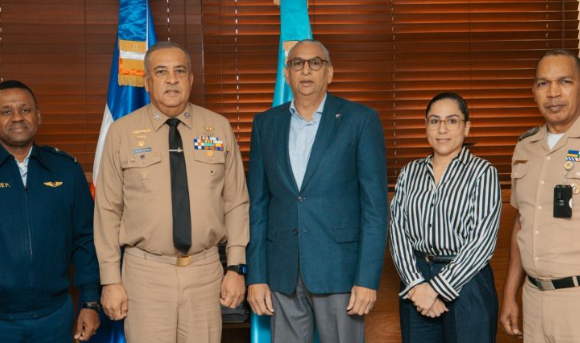
The deal was struck during a high-level working meeting between José Benedicto Hernández, Executive Director of the National Migration Institute of the Dominican Republic (INM RD), and Vice Admiral Luis Rafael Lee Ballester, Director General of the General Directorate of Migration (DGM). During the talks, both leadership teams mapped out overlapping priorities and uncovered untapped opportunities to align their technical, academic, and operational resources, closing coordination gaps across their distinct areas of institutional responsibility.
The newly established permanent committee will take the lead on setting priority research agendas for migration challenges facing the country, facilitating structured cross-agency information exchange, and coordinating joint academic and analytical studies. These activities are intended to build a more nuanced, data-driven understanding of shifting domestic and regional migration patterns, ultimately delivering more robust evidence to support strategic decision-making across both institutions.
Beyond research and information sharing, the two agencies have also committed to organizing a joint technical workshop to revise and modernize the training curriculum that INM RD currently uses to upskill DGM inspectors and frontline operational agents. The core objective of this curriculum update is to align training content directly with the evolving on-the-ground needs of DGM operations, equipping staff with stronger, more relevant skills to apply standard migration protocols consistently and effectively.
Overall, the cross-agency initiative aims to embed permanent, structured channels for cooperation that integrate research, professional training, and day-to-day migration management. By doing so, it lays the groundwork for a more coordinated, evidence-led approach to shaping migration policy and delivering institutional responses to emerging migration challenges in the Dominican Republic.