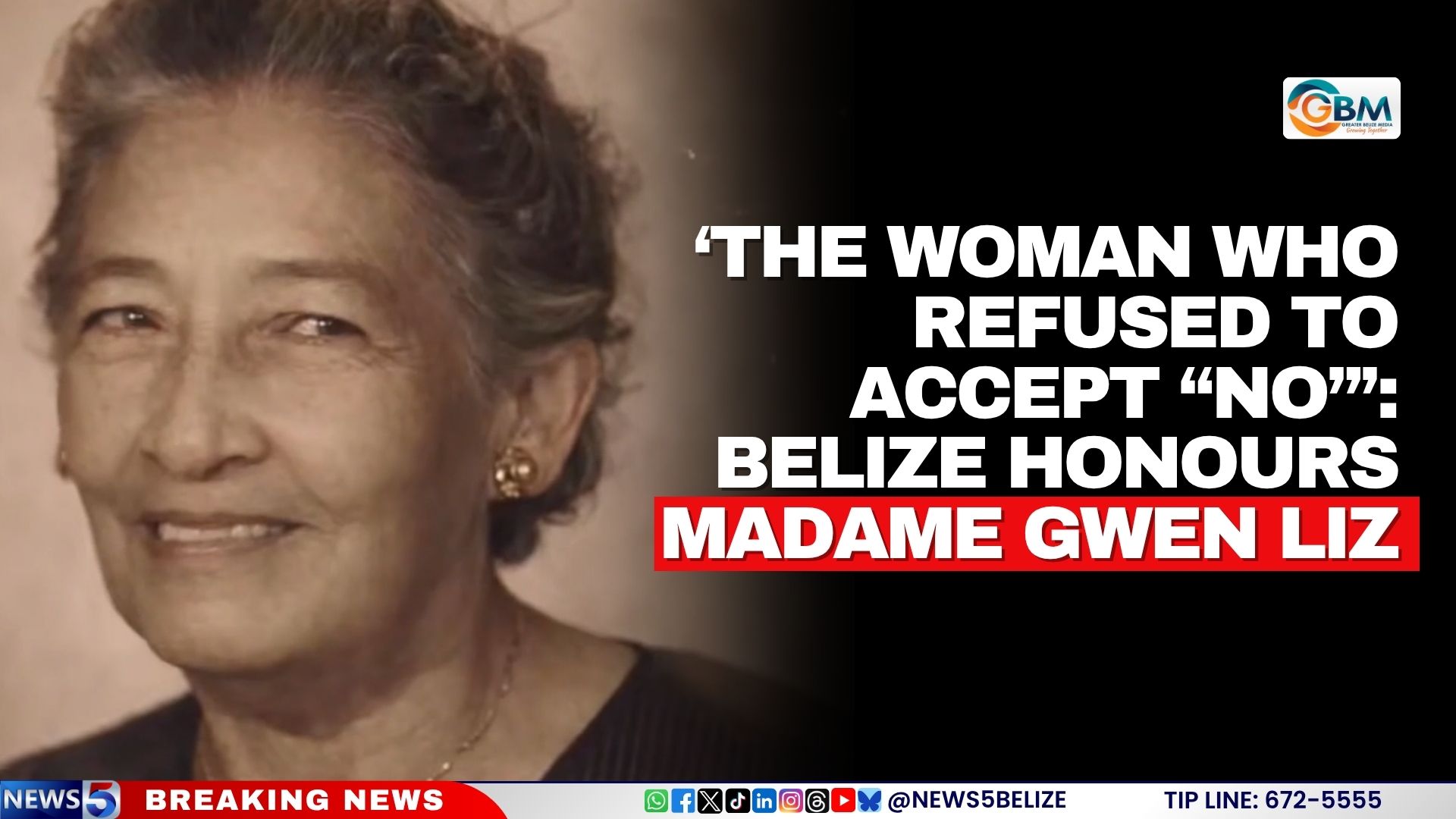
On September 18, 2026, Belize paid one of its highest honors to a trailblazing leader who spent decades breaking gender barriers and expanding opportunity for marginalized communities across the nation. At the annual Tribute to Belizean Patriots ceremony, held along the waterfront near the iconic Swing Bridge in Belize City, Gwendolyn “Madame Liz” Lizarraga was posthumously named a National Hero of Belize, recognizing her lifelong work advancing women’s rights, shaping public education and housing policy, and proving that determined advocacy can overcome systemic exclusion. The award was accepted by Lizarraga’s grandson, Victor Lizarraga, on behalf of her family, as hundreds gathered to honor her legacy more than 50 years after her death.
Born in the small Belizean village of Maskall in 1901, Lizarraga rose to prominence at a time when Belizean society actively barred women from positions of political, economic and social power. Refusing to accept the limited roles assigned to women, she built a career as a successful businesswoman before turning her attention to collective advocacy, joining with other gender equality activists to form the United Women’s Group. Through the organization, Lizarraga led campaigns for equal pay for working women, coordinated support systems for low-income and vulnerable families, and pushed for policies that would help women gain long-term economic independence. A firm believer in financial empowerment as a foundation for gender equity, she co-founded the United Women’s Credit Union, which encouraged women to save even small amounts of money to build their own financial security and invest in their families.
Lizarraga made history in 1961, when she became the first woman ever elected to Belize’s House of Representatives, and went on to make history again as the country’s first female Cabinet minister. She served three consecutive terms in office, holding leadership portfolios across education, housing and social services—sectors where she saw the greatest need for systemic change. During her time in government, Lizarraga spearheaded expansions to teacher training programs and opened new access to secondary and vocational education for Belizean young people. Two major public secondary schools in the country, Gwen Lizarraga High School and Edward P. Yorke High School, trace their origins to the education infrastructure she championed, opening pathways to opportunity for generations of Belizean children that did not exist before her tenure.
One of the most iconic moments of Lizarraga’s advocacy came early in her work, when government officials turned down a request from a group of Belizean women seeking access to land, telling them outright that no land was available for their group. Lizarraga refused to accept that answer, continuing to organize and push until the women secured the land they sought—a moment that has come to define her legacy of relentless commitment to equity. Addressing the crowd at the 2026 tribute ceremony, Prime Minister John Briceño praised Lizarraga’s lifelong impact, noting that her life serves as a powerful testament to how determined, principled leadership can transform entire nations. “Her life stands as a testament to the transformative power of determined leadership and remains an inspiration to generations of Belizeans,” Briceño told attendees, ahead of the screening of a commemorative tribute video honoring Lizarraga’s life and work.
Lizarraga passed away in 1975, but her contributions to Belize’s national development, its democratic institutions, and the global movement for women’s empowerment have continued to shape the country decades later. Thursday’s induction as a National Hero cements her place as one of Belize’s most influential public figures, a reminder of how one person’s refusal to accept injustice can create lasting change for millions.