As of mid-September 2025, China is grappling with an unprecedented energy market challenge triggered by escalating geopolitical conflict across the Middle East. Key oil supply arteries have been severely disrupted in recent months: ongoing regional tensions have led to a blockade of the Strait of Hormuz, the world’s busiest chokepoint for crude oil shipments, while a major Saudi Arabian oil pipeline has been shut down following attacks by pro-Iranian militias. These disruptions have coincided with a broader escalation of tensions between the United States, Israel, and Iran, pushing domestic oil prices in China to all-time record highs. In the initial phase of the crisis, Beijing moved quickly to absorb market shocks by drawing down its national strategic petroleum reserve (SPR), which is estimated to hold roughly 1.4 billion barrels of crude. The government also cut crude import volumes from 12 million barrels per day to an average of 8.1 million barrels per day in the second quarter of 2025. However, as Chinese refineries have ramped up production to meet domestic demand and operators move to replenish depleted stockpiles, the initial SPR buffer is now running low, forcing China to return to competitive purchasing on global international markets.
China currently faces a daily crude import gap of approximately 9.6 million barrels to meet domestic refining and consumption needs, and policymakers have been scrambling to lock in alternative supply sources, but significant structural limitations persist. Russia has emerged as China’s most reliable alternative provider: in 2025, Russia accounted for 20% of China’s total crude imports, making it Beijing’s top single supplier. Deliveries via Siberian pipelines and Pacific Ocean ports reach Chinese borders within just seven days, bypassing the high-risk Strait of Hormuz chokepoint entirely. Despite sweeping U.S. sanctions targeting Russian energy exports, China’s seaborne imports of Russian crude climbed to 1.68 million barrels per day in August 2025, marking a steady uptick through the crisis. Iran, by contrast, was once a major source of low-cost crude for China, delivering as much as 1.4 million barrels per day before the latest conflict escalated. But tighter U.S. enforcement of sanctions and the regional shutdown of export infrastructure has all but halted Iranian crude shipments to China. Suppliers in Latin America and Africa, including Brazil, Venezuela, and Angola, have stepped in to offer partial alternative volumes, but long shipping transits from these regions drive up freight costs substantially. Additionally, the chemical density and grade of crude from these markets does not match the optimal processing configuration of most Chinese refineries, creating additional operational barriers.
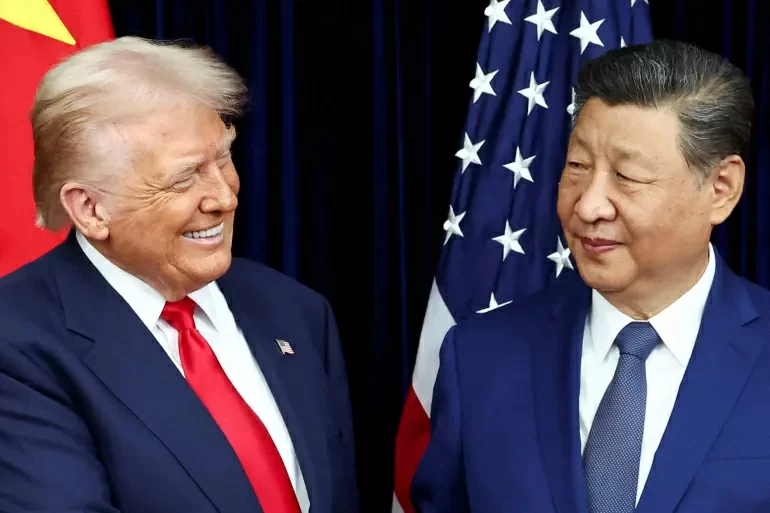
Beyond immediate supply shortages, the crisis has exposed deep structural vulnerabilities in China’s energy security. While the rapid adoption of electric vehicles has cut domestic demand for gasoline, key sectors including heavy manufacturing, commercial aviation, and petrochemical production remain heavily dependent on crude oil imports. The gap between China’s domestic crude production, which stands at roughly 4.34 million barrels per day, and total refining demand of 13.91 million barrels per day underscores the nation’s persistent exposure to global energy market shocks. The ongoing energy crisis has also reshaped Beijing’s diplomatic priorities, with energy security now moving to the top of China’s international agenda. Following recent talks in Beijing between Chinese Foreign Minister Wang Yi and his Iranian counterpart Abbas Araghchi, China has publicly pushed for the immediate reopening of the Strait of Hormuz and a resumption of diplomatic negotiations between Washington and Tehran. The upcoming bilateral summit between Chinese President Xi Jinping and U.S. President Donald Trump, scheduled to take place on the sidelines of the APEC economic leaders’ meeting in Busan, South Korea on October 30, 2025, will center heavily on two core priorities: securing stable long-term energy supplies for China and preventing the ongoing energy crisis from triggering a broader global economic recession.