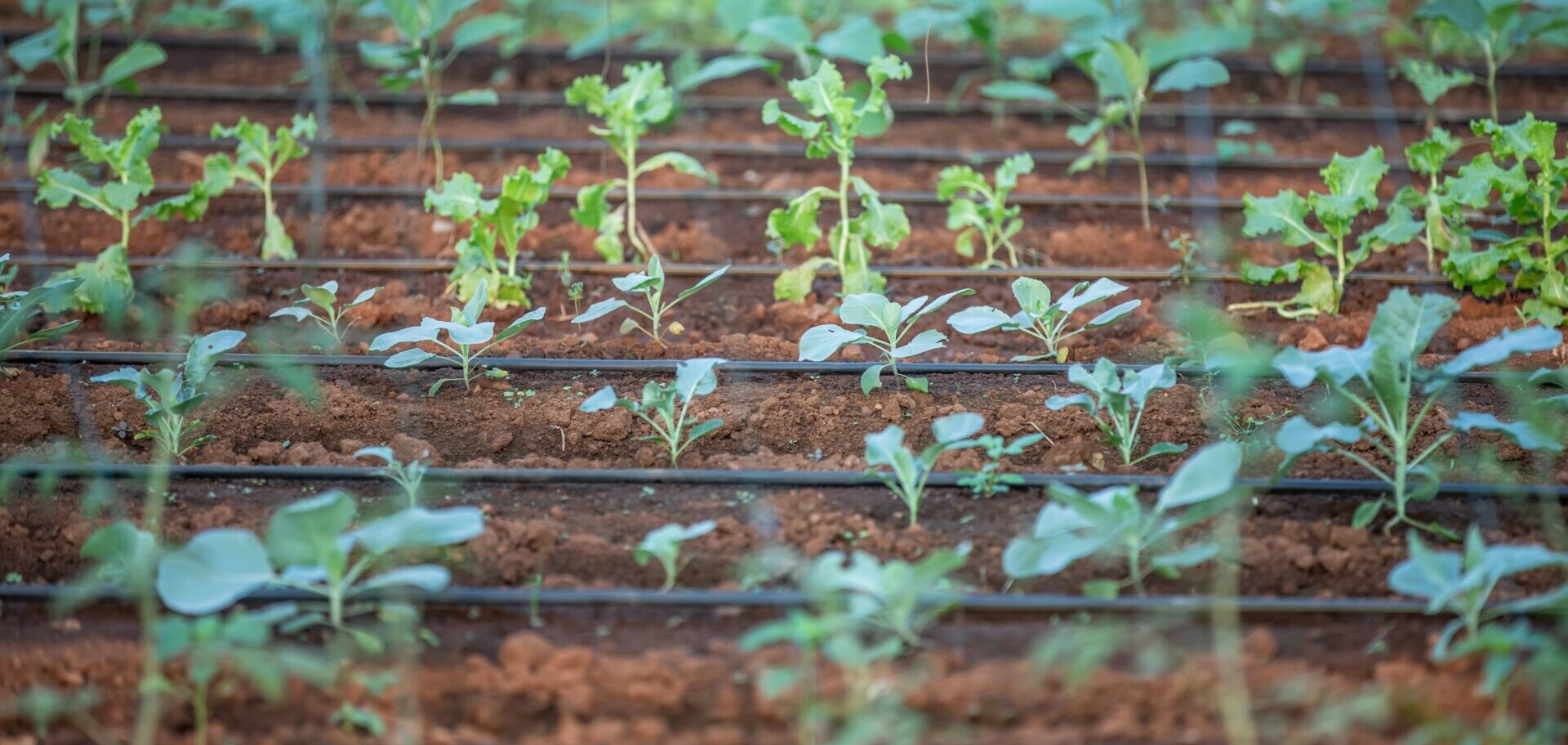
A joint agricultural development initiative between the Government of Dominica and the Food and Agriculture Organization (FAO) is delivering measurable progress, as local farmers adopt modern, sustainable production practices designed to boost livelihoods across the island nation. The five-year TCP/DOM/4001 Project, officially titled *Improving Livelihoods through Diversified High-Value Vegetable Production in Selected Agroclimatic Zones*, focuses on building capacity for efficient, climate-smart cultivation of premium vegetable crops while expanding market access for small-scale producers. To date, 14 participating farmers have already begun integrating two evidence-based advanced techniques into their daily operations: fertigation and agricultural ground cover. These practices are targeted at lifting overall crop yields, cutting operational waste, streamlining on-farm workflows, and delivering uniform, high-quality produce that meets commercial market standards. Fertigation, one of the core techniques being promoted, delivers water-soluble nutrients directly to crop root systems through existing irrigation infrastructure. This targeted approach cuts down on manual labor required for traditional fertilizer application, eliminates over-spreading of nutrients, and ensures growers can time feeding cycles to align with critical crop growth stages for optimal output. The second promoted practice, the use of protective ground cover, delivers a cascade of additional benefits for participating operations. It suppresses the growth of invasive weeds that would otherwise compete with crops for nutrients and water, helps soil retain critical moisture through periods of inconsistent rainfall, and creates a more stable growing environment that supports stronger, healthier plant development. The Ministry of Agriculture, Fisheries, Blue and Green Economy, which oversees the project’s on-the-ground implementation, has highlighted two standout participants from Dominica’s South Region: Diane Joseph and Glennis Isles. Their working farms now serve as local demonstration sites, showcasing how the adoption of improved production methods and targeted agricultural innovation can translate to tangible gains in crop health and overall performance. Upcoming harvests from participating farms are expected to yield a diverse selection of high-value commercial vegetables, including broccoli, cauliflower, bell peppers, and tomatoes – crops that command premium prices in both local and regional export markets. Ultimately, the initiative is framed as a core component of Dominica’s broader strategy to transform its domestic agricultural sector. By modernizing production practices, supporting smallholders, and diversifying crop output toward higher-value products, the project aims to make the nation’s agriculture more efficient, more productive, and more connected to profitable markets, while lifting incomes and improving long-term livelihood security for farming communities across the country.
Dominica farmers adopt innovative techniques to boost high-value crop production