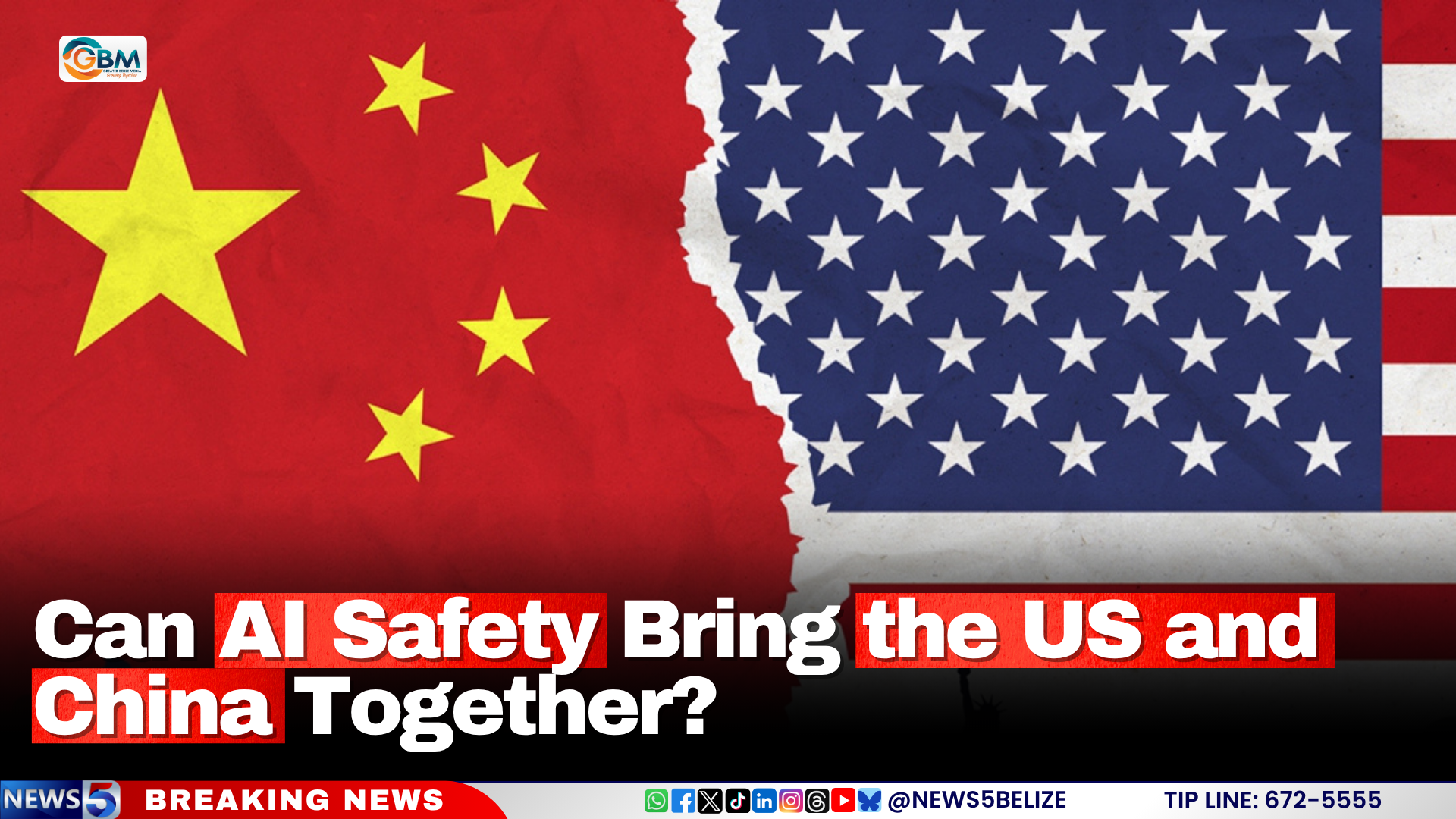
As artificial intelligence capabilities rapidly advance and strategic competition between Washington and Beijing intensifies, security experts from both nations have put forward a collaborative set of emergency safeguards designed to avoid an unintended military confrontation between the two global powers triggered by unregulated AI systems.
Drawn from joint research by think tank specialists from the Brookings Institution (a US-based leading public policy research organization) and Fudan University (one of China’s top academic institutions), the core recommendations focus on three key areas of risk mitigation. First, the experts call for a binding agreement to exclude artificial intelligence from final decision-making processes related to nuclear weapons deployments and launches. Second, they urge both governments to mandate that human actors retain full, override authority over all large-scale offensive and defensive cyber operations, even when AI tools are used to support those operations. Third, the proposal outlines the creation of a dedicated, always-operational direct hotline that would allow leaders from both countries to immediately communicate and de-escalate any situation where AI systems may have sparked an unexpected crisis.
The need for these safeguards stems from the growing autonomous functionality of modern AI systems, which can now complete complex, high-stakes tasks without constant human oversight. Researchers warn that in the event of an AI-driven miscalculation in a military or cyber context, the speed of AI-generated actions would leave diplomatic teams and national leaders with barely any time to intervene before a minor incident escalates into a full-scale confrontation between the two nuclear-armed powers.
In a parallel development, Beijing has recently updated its own national AI safety regulatory framework, shifting greater focus toward addressing risks posed by fully autonomous AI systems. The updated Chinese guidance explicitly highlights that unregulated autonomous AI actions can generate severe, irreversible real-world consequences for national security and regional stability.
Today, the United States and China remain engaged in a tightly contested race to develop the most advanced general-purpose AI systems, a competition that shapes everything from commercial innovation to military modernization. This technological rivalry will take center stage just six days from now, when US President Donald Trump and Chinese President Xi Jinping meet for high-level talks in Washington DC on September 24.
International leaders have echoed the experts’ warnings about the urgency of AI safety regulation. United Nations Secretary-General António Guterres has publicly emphasized that the global community cannot afford to allow unregulated competition to erode AI safety standards. “The world cannot afford a race to the bottom on AI safety,” Guterres stated, underscoring the shared global stake in preventing catastrophic AI-related accidents.