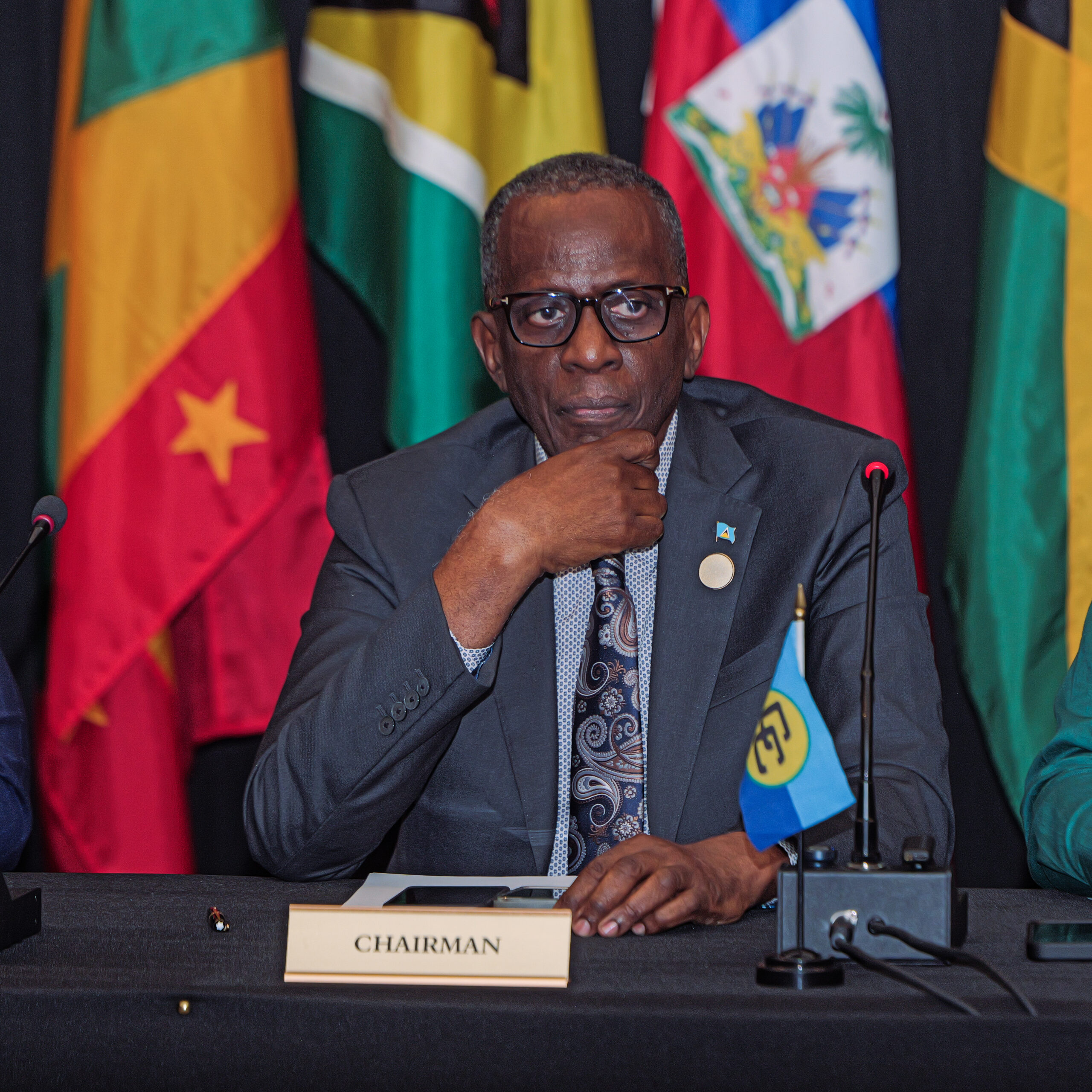
The leader of Saint Lucia, Prime Minister Philip J. Pierre, has openly characterized a new bilateral agreement with the United States that permits the deportation of third-country nationals to his Caribbean nation as among the most challenging policy choices his administration has ever had to make. Despite the controversy surrounding the deal, Pierre asserts that after multiple rounds of extended negotiations with U.S. officials, Saint Lucia secured the most favorable terms possible under the existing geopolitical and diplomatic circumstances.
In an interview aired Thursday on the Radio 100 current affairs program *What Makes You Mad*, Pierre outlined how the final terms of the agreement differ substantially from the initial proposal put forward by U.S. negotiators. Under the finalized text of the deal, Saint Lucia will accept a maximum of 10 third-country deportees every three months. This capped quota represents a significant shift from the original draft, which contained no numerical limits – a structure that would have allowed the U.S. to send an unlimited number of deportees to the small island nation.
Pierre emphasized that rejecting the agreement entirely was never a viable strategic option for his government, given the asymmetric diplomatic and economic relationship between small island developing states like Saint Lucia and global powers like the United States. When pressed on why the government did not simply walk away from the negotiations, he posed a rhetorical question to critics: “If you’re a Prime Minister of a country, you’ll tell the United States no?”
The Prime Minister also walked through the logistics of how the agreement will operate on the ground after deportees arrive in Saint Lucia. For the first seven days following a deportee’s arrival, the International Organization for Migration (IOM) will cover all costs for accommodation and food. After this initial week, responsibility for the deportees’ care transfers to the government of Saint Lucia.
Pierre also provided new details on the first cohort of deportees to arrive under the agreement. Of the initial six third-country nationals, four have opted to remain in Saint Lucia, while the other two have requested repatriation to their countries of origin. To support the four who chose to stay, the government has appointed a dedicated liaison officer, whose core responsibilities include maintaining regular check-ins with the group, facilitating contact between the deportees and their respective home countries’ embassies in Saint Lucia, documenting any professional or technical skills the deportees possess, and tracking any changes in their preference to return home in the future.
While the U.S. has provided an initial financial contribution to support Saint Lucia’s efforts to host the deportees, Pierre confirmed that negotiations over a full long-term financial package are still ongoing. No further details on the size or scope of the potential U.S. funding were released.